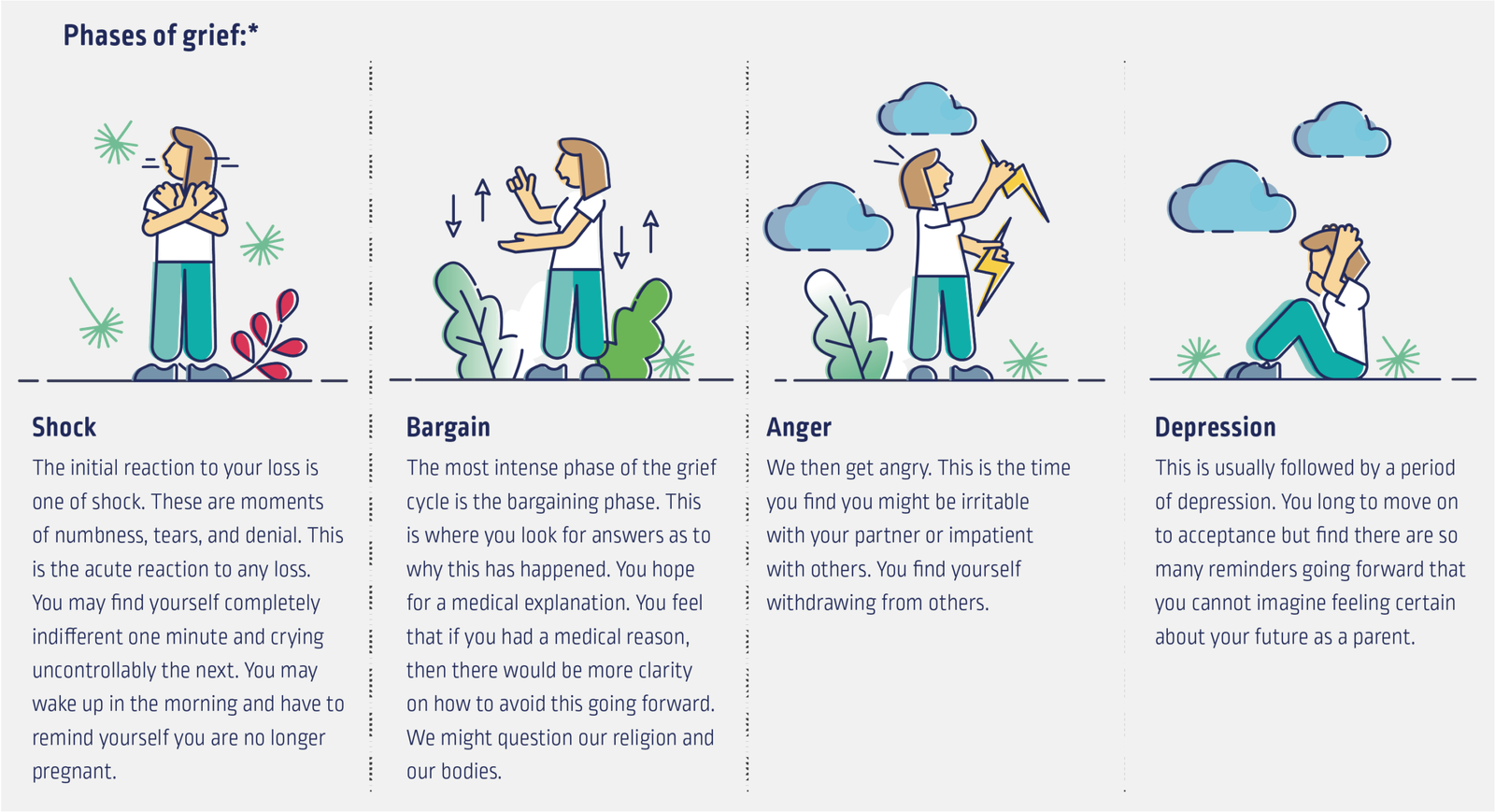
Grief is one of the most universal experiences in human life. At some point, almost every person encounters a significant loss. It may be the death of someone loved, the end of a relationship, the loss of a job, a change in family circumstances, the disappearance of an important dream, or the realization that life will not develop in the way once imagined. Although grief is painful, it is not necessarily a sign of psychological disorder. In many situations, it is a natural response to losing something that mattered.
People often use the word “depression” to describe sadness in everyday conversation. However, ordinary sadness, grief, and the clinical disorder known as depression are not identical. The term may sometimes be used too broadly to describe emotional suffering. Sadness, sorrow, fear, anxiety, and uncertainty can all appear after a loss and may represent normal human reactions rather than evidence of a psychiatric illness.
A person experiencing grief may say, “I wish I had done something differently,” or “If only I had known.” These thoughts are particularly common after significant loss. The mind naturally searches for explanations. It attempts to reconstruct what happened and identify whether the outcome could have been prevented.
This search can be emotionally painful.
After a loss, people may repeatedly replay conversations, decisions, and moments from the past. They may wonder whether they should have called more often, said something different, recognized a warning sign, or acted sooner.
Such thoughts can create guilt even when the person was not actually responsible for the outcome.
The human mind often prefers a painful explanation involving personal responsibility to an uncertain reality that cannot be controlled. If someone believes, “I caused this,” they may feel that there was something they could have done. Accepting that some events are outside human control can be much more frightening.
Grief therefore involves not only sadness but also an attempt to understand a changed reality.
Loss disrupts expectations. People build their lives around assumptions about the future. They expect certain relationships to continue, certain people to remain present, and certain plans to become reality. When something important disappears, the individual must psychologically reconstruct the future.
This process takes time.
A grieving person may experience moments when the loss feels unreal. They may temporarily behave as though nothing has changed. Later, the reality may return suddenly and produce intense sadness.
Grief does not always follow a predictable sequence.
People sometimes expect grief to progress through clearly defined stages. In reality, emotional responses can vary considerably between individuals and even within the same person. Someone may feel relatively calm one morning and deeply distressed that evening.
A particular song, photograph, place, smell, or date can suddenly reactivate painful emotions.
This does not necessarily mean that the person is “going backward.”
Grief is often nonlinear.
One of the most difficult aspects of loss is that ordinary life continues. Other people go to work, children continue playing, shops remain open, and daily responsibilities continue. The grieving individual may feel that the world should have stopped because something enormously important has happened.
This difference between internal and external reality can produce loneliness.
People may also feel pressure to recover quickly. Friends or relatives may say things intended to be comforting, such as “You need to move on” or “Be strong.” Although such statements are often well intentioned, they can unintentionally communicate that grief should disappear quickly.
There is no universal timetable for emotional adaptation.
Grief does not mean that a person is refusing to move forward. Sometimes grieving is precisely how a person gradually learns to live with a changed reality.
Another important element is the relationship between grief and memory. After losing someone, memories may become especially significant. A person may remember ordinary moments that were previously taken for granted.
A simple conversation, a familiar expression, or a routine activity can suddenly acquire enormous emotional importance.
Memory can therefore become both painful and comforting.
The grieving individual may experience intense sadness because the remembered person is no longer physically present. At the same time, remembering can help preserve a sense of connection.
This illustrates the complexity of grief. Positive and negative emotions can coexist.
Someone can feel devastated by a loss and still experience moments of gratitude. They can miss someone deeply while also enjoying a conversation with a friend. They can laugh one day and cry the next.
These experiences are not contradictions.
Human emotions are capable of existing simultaneously.
Fear and uncertainty are also common after loss. A person may begin worrying about the future. If one important part of life has changed unexpectedly, the individual may become more aware of how unpredictable life can be.
Questions emerge:
“What will happen now?”
“How will I manage?”
“Will I ever feel normal again?”
“Can I handle another loss?”
These questions may not have immediate answers.
Uncertainty itself can become part of the grieving process.
The person may need to rebuild a sense of safety gradually. Familiar routines can help. Eating regularly, sleeping adequately, maintaining social contact, and continuing manageable daily activities can provide structure during periods of emotional instability.
Routine does not erase grief. It creates a framework within which grief can be experienced.
Social support is particularly important. Grieving individuals often need opportunities to speak about the person or situation they lost without feeling that they are burdening others.
Sometimes they do not need advice.
They simply need someone willing to listen.
Listening can communicate an important message: “Your pain is real, and you do not have to hide it.”
However, grief can sometimes become complicated by severe psychological symptoms. Persistent hopelessness, profound functional impairment, suicidal thoughts, severe sleep disruption, or an inability to perform basic daily activities may indicate a need for professional evaluation.
This distinction is important because normal grief should not be pathologized, but serious mental health difficulties should not be ignored.
The fact that sadness can be normal does not mean that every form of prolonged suffering should simply be endured without support.
Professional help does not invalidate grief. A therapist can help someone process loss while respecting the natural emotional meaning of the experience.
Psychotherapy may also help individuals examine guilt. After a loss, people often judge themselves according to information they only learned afterward.
This creates a psychological trap.
A person may think, “If I had known then what I know now, I would have acted differently.”
But people make decisions using the information available at the time. Evaluating a past decision using information obtained later can create an unfair standard.
This is especially relevant to regret.
Regret can sometimes provide useful lessons, but it can also become repetitive self-punishment. The difference lies in whether the reflection leads to meaningful learning.
A person may conclude, “In the future, I want to communicate more openly with people I love.” That lesson can influence future behavior.
By contrast, repeatedly thinking, “I should have known,” without any possibility of changing the past may only deepen suffering.
The past cannot be rewritten.
But its meaning can sometimes change.
Over time, people may integrate loss into their personal identity. This does not mean forgetting what happened. It means developing a way of continuing life while acknowledging that the loss remains part of their story.
The individual may eventually discover that remembering someone does not always have to produce overwhelming pain.
The emotional relationship with the memory can change.
Grief can also reveal what matters most to a person. Losing something important may clarify values that were previously taken for granted. Someone may realize how important family relationships are. Another person may discover a desire to live more intentionally or spend more time with people they love.
Pain does not automatically produce growth, and suffering should not be romanticized. Yet people sometimes find meaning in experiences they never would have chosen.
This process is deeply personal.
There is also a social dimension to grief. Different cultures have different ways of expressing mourning. Some encourage open emotional expression, while others emphasize privacy and restraint.
Neither approach should automatically be considered psychologically superior.
What matters is whether the individual has sufficient space to experience and process the loss in a way that feels meaningful and safe.
Suppressing grief completely can make emotional processing more difficult, but expressing grief does not require public displays. A person may grieve quietly through memories, writing, prayer, conversation, or private reflection.
There is no single correct way to mourn.
Children also experience grief differently from adults. They may not have the vocabulary to describe complex emotions. Instead, grief may appear through changes in behavior, sleep, play, irritability, questions, or temporary regression.
Adults should not assume that a child who appears cheerful has necessarily forgotten the loss.
Children may move between sadness and ordinary activities quickly. They may cry and then return to playing minutes later.
This does not mean that they are unaffected.
It reflects the way children often process difficult emotions in smaller, more manageable periods.
Adults can help by answering questions honestly in language appropriate to the child’s developmental level and providing reassurance about safety and routine.
Another important aspect of grief is the possibility of secondary losses. One major loss can produce many smaller changes. After the death of a family member, for example, responsibilities may change, financial circumstances may change, daily routines may change, and relationships within the family may change.
The individual may therefore be grieving multiple things simultaneously.
Recognizing these secondary losses can help explain why emotional recovery sometimes feels more complicated than expected.
Grief can also affect concentration. A grieving person may find it difficult to read, work, remember appointments, or make decisions. This does not necessarily indicate a permanent cognitive problem.
Emotional resources are being heavily used.
The brain is attempting to adapt to a significant change while ordinary responsibilities continue.
Reducing unnecessary demands during intense periods of grief can therefore be helpful when possible.
Self-compassion becomes particularly important during this time. People may criticize themselves for not functioning normally. They may think they should already feel better.
Instead, it can be more helpful to recognize that emotional recovery requires energy.
Grief is not a competition.
Another person’s recovery timeline cannot be used as a standard for one’s own.
Some people return to work quickly and grieve privately. Others need more time before they can function normally. Neither pattern automatically indicates greater or lesser love.
The intensity of grief is not a perfect measurement of the importance of a relationship.
Ultimately, grief is a psychological response to the recognition that something meaningful has changed or disappeared. It can involve sadness, fear, anger, regret, guilt, confusion, longing, and uncertainty.
These emotions may be painful, but pain itself is not evidence of mental illness.
The quotation provided at the beginning captures an important aspect of this experience: thoughts such as “I wish I had not done that” or “If only I had acted differently” can naturally emerge after loss. The presence of such thoughts does not automatically mean that a person has a clinical depressive disorder. They may reflect the mind’s attempt to understand something emotionally significant that cannot be undone.
What matters is how the person gradually relates to those thoughts.
Instead of endlessly punishing themselves for the past, they may eventually learn to acknowledge regret, recognize what can be learned, and accept what cannot be changed.
Grief does not require forgetting.
It requires adaptation.
A person can continue loving someone who is no longer present. They can remember without living entirely in the past. They can experience sadness while slowly returning to ordinary activities. They can carry the meaning of a loss without allowing the loss to become the entirety of their identity.
In conclusion, grief is one of the most natural and complex emotional responses to loss. Sadness, sorrow, fear, anxiety, regret, and uncertainty can all accompany the experience without automatically indicating a psychiatric disorder. The human mind needs time to understand what has changed and reconstruct expectations about the future. Rather than forcing grief to disappear, psychological health often involves allowing emotions to exist while gradually rebuilding daily life. Professional support may be valuable when suffering becomes severe or significantly disrupts functioning. Ultimately, healing does not mean erasing the past. It means learning how to carry what happened while continuing to live, connect, remember, and move forward.