Borderline Personality Disorder (BPD) is a complex mental health condition characterized by difficulties in emotional regulation, interpersonal relationships, self-image, and impulse control. Individuals with this disorder may experience emotions with considerable intensity and find it challenging to maintain a stable sense of identity. Their emotional experiences can change rapidly, particularly in response to interpersonal situations, perceived rejection, or uncertainty in relationships. Although borderline personality disorder is often misunderstood, it is important to recognize that it involves genuine psychological difficulties rather than simply being a personality characterized by excessive sensitivity or dramatic behavior.
One of the central features of borderline personality disorder is emotional dysregulation. People experiencing this difficulty may have intense emotional reactions to situations that others perceive as relatively ordinary. A minor disagreement, an unanswered message, or a change in someone’s behavior may produce feelings of anxiety, anger, sadness, or rejection. These emotions can become difficult to manage and may take considerable time to settle. Emotional dysregulation does not mean that an individual deliberately chooses to react intensely. Rather, it reflects difficulties in recognizing, tolerating, and regulating emotional experiences.
Another important characteristic is fear of abandonment. Individuals with BPD may experience a strong fear that people they care about will leave them, reject them, or gradually lose interest in the relationship. This fear can arise even when there is no clear evidence that abandonment is likely. For example, a delayed response to a message may be interpreted as a sign of rejection. Consequently, the individual may seek reassurance, become emotionally distressed, or attempt to prevent the perceived separation. These reactions can create tension in relationships, even when the original situation is relatively insignificant.
Interpersonal relationships may become particularly complicated because emotional closeness and emotional security are not always experienced consistently. A person may initially idealize someone, viewing them as exceptionally caring, trustworthy, and understanding. However, following disappointment or conflict, their perception may change dramatically. This pattern is sometimes associated with splitting, a psychological defense mechanism involving difficulty integrating positive and negative perceptions of the same person. Instead of recognizing that someone can have both positive and negative qualities, the individual may temporarily experience that person as entirely good or entirely bad.
Identity disturbance is another significant feature of borderline personality disorder. Some individuals experience uncertainty about who they are, what they want, or what direction they should take in life. Their values, goals, preferences, and self-perception may change depending on their emotional state or interpersonal environment. This instability can make long-term decisions difficult. A person may feel confident about a particular identity or ambition at one moment and question its meaning shortly afterward. Such experiences may contribute to difficulties in maintaining a consistent sense of personal identity.
The relationship between BPD and self-esteem is also important. Individuals may experience considerable fluctuations in how they evaluate themselves. At certain times, they may feel capable and valuable, while at other moments they may experience intense shame, inadequacy, or self-criticism. These changes can be influenced by interpersonal feedback, perceived rejection, personal disappointments, and emotional experiences. A relatively small negative interaction may sometimes activate deeper beliefs about being unworthy, unwanted, or fundamentally flawed.
Impulsivity can also occur in borderline personality disorder. Some individuals engage in behaviors that provide immediate emotional relief but may produce negative consequences over time. These behaviors can involve excessive spending, substance misuse, risky activities, overeating, or impulsive decisions. In certain situations, impulsive behavior may function as an attempt to escape overwhelming emotional experiences. Understanding the connection between emotional distress and impulsivity is essential because it helps explain why a person may act quickly without fully considering the long-term consequences.
Another experience associated with BPD is chronic feelings of emptiness. Individuals may describe an internal sense of emotional absence, disconnection, or lack of purpose. This feeling is not necessarily the same as ordinary boredom. It may involve a persistent difficulty experiencing satisfaction, maintaining emotional connection, or developing a stable sense of meaning. Some individuals attempt to fill this internal emptiness through intense relationships, external approval, constant stimulation, or activities that temporarily distract them from uncomfortable feelings.
Anger is another possible feature. Emotional reactions may become particularly intense when individuals feel misunderstood, ignored, criticized, or rejected. However, anger does not always appear as outward aggression. Some people direct it inward through self-blame, shame, or harsh internal criticism. Others may withdraw from relationships or experience prolonged emotional tension. Recognizing anger regulation as a psychological process can help distinguish the emotion itself from the behaviors that may follow it.
Borderline personality disorder is also associated with difficulties in managing interpersonal conflict. During emotionally intense situations, individuals may interpret neutral comments as criticism or perceive disagreement as evidence that a relationship is threatened. This can lead to misunderstandings and repeated cycles of closeness, conflict, and reconciliation. The experience may be distressing not only for the individual but also for family members, partners, and friends. Nevertheless, understanding the psychological mechanisms behind these reactions can encourage more constructive communication.
The causes of borderline personality disorder are complex and cannot be explained by a single factor. Research suggests that genetic vulnerability, temperament, environmental influences, and developmental experiences may contribute to its development. Some individuals report histories of childhood adversity, emotional neglect, invalidation, or unstable relationships. However, not everyone with BPD has experienced childhood trauma, and experiencing trauma does not automatically lead to this disorder. It is important to avoid simplistic explanations that attribute the condition entirely to parenting or a particular childhood event.
The concept of attachment theory can provide an additional perspective on relationship difficulties. Early experiences with caregivers may influence how individuals understand emotional closeness, trust, separation, and security. In some cases, inconsistent or unpredictable caregiving environments may contribute to difficulties developing stable expectations about relationships. However, attachment patterns alone cannot explain borderline personality disorder, and they should be considered within a broader psychological and developmental framework.
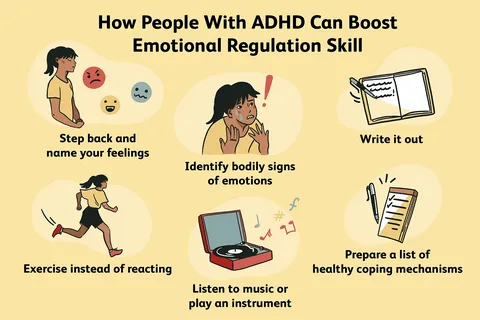
Emotional sensitivity is another important subject in understanding BPD. Some individuals appear to respond more intensely to emotional stimuli and may take longer to return to their usual emotional state after distressing events. This sensitivity can affect everyday experiences, including conversations, social interactions, and personal decisions. When emotional intensity combines with limited regulation skills, ordinary challenges may become overwhelming. Learning to identify emotional triggers can therefore become an important part of psychological treatment.
It is also necessary to understand the relationship between BPD and anxiety. Individuals may experience persistent worries about relationships, rejection, uncertainty, or their own emotional reactions. These concerns can contribute to rumination, a repetitive pattern of thinking in which a person repeatedly examines distressing situations without reaching a satisfying conclusion. For example, after an argument, someone may spend hours reviewing what was said, questioning the other person’s intentions, and imagining possible negative outcomes. This process can intensify emotional distress rather than resolve it.
Borderline personality disorder may also involve periods of dissociation, particularly during severe emotional stress. Dissociation can include feelings of detachment from oneself, one’s surroundings, or the present moment. Some individuals describe feeling emotionally numb, unreal, or disconnected from their experiences. These episodes can be frightening, but understanding them as possible stress-related psychological responses may help individuals discuss them more effectively with mental health professionals.
Diagnosis requires a comprehensive clinical assessment conducted by a qualified mental health professional. Not every person who experiences emotional intensity, relationship difficulties, or fear of rejection has borderline personality disorder. Several other psychological conditions can involve overlapping symptoms, including mood disorders, anxiety disorders, post-traumatic stress disorder, and other personality disorders. A careful assessment considers the duration, intensity, frequency, and broader pattern of symptoms rather than relying on a single behavior or emotional reaction.
Treatment can significantly improve the quality of life for individuals with borderline personality disorder. One of the best-known approaches is Dialectical Behavior Therapy (DBT), which was developed to address difficulties involving emotional regulation, impulsivity, and interpersonal relationships. DBT teaches practical skills in four major areas: mindfulness, distress tolerance, emotional regulation, and interpersonal effectiveness. These skills can help individuals recognize emotional experiences without immediately reacting to them.
Another therapeutic approach is mentalization-based treatment (MBT). It focuses on helping individuals understand their own mental states and those of other people. During interpersonal conflict, a person may become convinced that they know exactly what another individual is thinking or feeling. Mentalization encourages curiosity about different interpretations and helps reduce the tendency to treat assumptions as facts. This can be particularly useful when emotional distress affects the interpretation of social situations.
Cognitive behavioral approaches may also help individuals identify unhelpful thinking patterns and examine the beliefs that contribute to emotional distress. For example, the thought that a delayed message necessarily means rejection can be explored by considering alternative explanations. This process does not invalidate emotional experiences. Instead, it helps individuals distinguish between what they feel, what they think, and what they can objectively know about a situation.
Supportive relationships can contribute to recovery, but they should not replace professional treatment. Family members and partners may benefit from learning about emotional dysregulation, communication difficulties, and personal boundaries. At the same time, individuals with BPD deserve to be treated with respect rather than defined by their diagnosis. A mental health condition does not represent the entirety of a person’s personality, abilities, values, or potential.
It is equally important to challenge the stigma surrounding borderline personality disorder. The term is sometimes used inaccurately to describe people who are emotional, difficult, or unpredictable. Such labels can discourage individuals from seeking help and reinforce harmful stereotypes. BPD is a recognized mental health condition that requires understanding, careful assessment, and appropriate treatment. People living with this disorder can develop healthier relationships, improve emotional stability, and build meaningful lives.
Ultimately, understanding borderline personality disorder requires looking beyond visible emotional reactions. What may appear to be inconsistency, excessive sensitivity, or interpersonal conflict can involve deeper difficulties related to emotional regulation, identity, attachment, and psychological security. With appropriate treatment, self-awareness, and supportive environments, individuals can learn to manage emotional intensity and develop more stable patterns of thinking and relating to others. Recovery does not necessarily mean never experiencing difficult emotions; it means gradually developing the ability to experience them without allowing them to control every aspect of life.