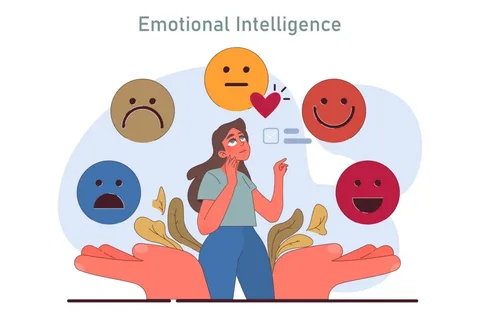
1. Emotional Intelligence — The ability to recognize, understand, manage, and appropriately express one’s emotions while also understanding the emotions of others.
2. Cognitive Dissonance — A psychological state of discomfort that occurs when a person experiences conflicting beliefs, attitudes, values, or behaviors.
3. Projection — A psychological defense mechanism in which an individual unconsciously attributes their own unwanted feelings, thoughts, or characteristics to another person.
4. Self-Concept — The collection of beliefs, perceptions, and ideas a person holds about their own identity, abilities, characteristics, and personal qualities.
5. Psychological Resilience — The capacity to adapt, recover, and continue functioning in the face of stress, adversity, or challenging life experiences.
6. Rumination — A repetitive pattern of thinking in which a person repeatedly focuses on distressing experiences, problems, emotions, or thoughts without reaching a productive resolution.
7. Cognitive Flexibility — The ability to adjust one’s thinking, perspectives, or strategies in response to changing circumstances, new information, or different demands.
8. Emotional Avoidance — The tendency to avoid, suppress, or escape uncomfortable emotional experiences, thoughts, situations, or memories.
9. Intrinsic Motivation — The tendency to engage in an activity because it is personally interesting, satisfying, or meaningful rather than primarily because of external rewards or pressure.
10. Learned Helplessness — A psychological phenomenon in which repeated experiences of perceived uncontrollability may lead an individual to believe that their actions cannot influence outcomes, even when opportunities for change become available.
11. Psychological Projection — A defense mechanism involving the unconscious attribution of one’s own unwanted emotions, impulses, or psychological characteristics to other people.
12. Self-Efficacy — An individual’s belief in their ability to organize and carry out actions necessary to achieve particular goals or manage specific situations.
13. Emotional Validation — The process of acknowledging, recognizing, and accepting another person’s emotional experience as understandable within their circumstances, without necessarily agreeing with their interpretation or behavior.
14. Attribution Bias — A systematic tendency to interpret the causes of behavior or events in ways that may be influenced by personal beliefs, expectations, or cognitive tendencies.
15. Psychological Boundaries — Personal limits that help individuals protect their emotional, mental, physical, and interpersonal well-being while maintaining relationships with others.
16. Impostor Phenomenon — The experience of doubting one’s abilities or accomplishments and fearing that others will eventually discover that one’s success is undeserved, despite objective evidence of competence.
17. Emotional Contagion — The tendency for emotional states to spread between individuals through social interaction, often involving unconscious imitation and emotional synchronization.
18. Metacognition — The ability to observe, evaluate, and reflect on one’s own thinking processes, including awareness of how one learns, interprets information, and makes decisions.
19. Attachment Anxiety — A pattern of relational insecurity characterized by heightened concerns about rejection, abandonment, emotional availability, or the stability of close relationships.
20. Self-Compassion — The ability to respond to personal difficulties, mistakes, and suffering with understanding, kindness, and a balanced perspective rather than excessive self-criticism.