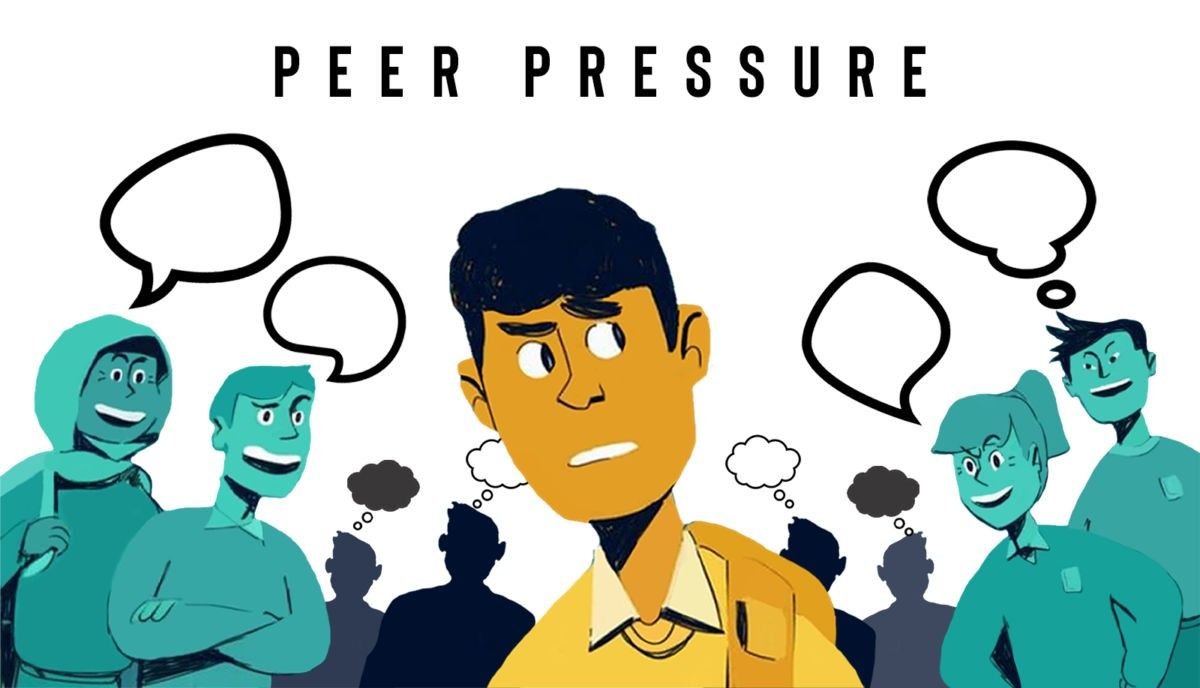
Peer pressure refers to the influence that individuals may experience from people within their social environment, particularly peers who are perceived as similar, relevant, or socially important. It is commonly associated with adolescence, but the psychological processes underlying peer influence can continue throughout adulthood. Friends, colleagues, classmates, partners, professional groups, and broader social networks may all influence how individuals think, behave, make decisions, and evaluate themselves. Peer influence is not necessarily harmful. In many circumstances, it can support learning, cooperation, social development, and adaptive behavior. However, when individuals feel that acceptance depends on conforming to group expectations, peer pressure may become associated with psychological distress and behaviors that do not reflect personal values.
The desire to belong is a fundamental aspect of human social behavior. People generally depend on social relationships for emotional support, identity development, cooperation, and a sense of security. Because social belonging can be psychologically important, the possibility of rejection may carry considerable emotional significance. An individual may therefore modify behavior not because they personally prefer the behavior, but because they fear losing acceptance from a group.
Peer pressure can be direct or indirect. Direct pressure occurs when another person explicitly encourages, demands, or challenges an individual to behave in a particular way. A friend may tell someone to participate in an activity, a colleague may insist that everyone behave similarly, or a group may openly criticize a person who refuses to participate. Indirect pressure is less explicit. An individual may observe what others are doing and change their own behavior because they believe that conformity is expected.
This distinction is important because peer pressure does not always involve a verbal demand. Sometimes the perceived expectations of others are sufficient. A person may think, “Everyone else is doing this, so I should probably do it too.” The pressure may therefore exist partly within the individual’s interpretation of the social environment.
Conformity is closely related to peer pressure but is not identical to it. Conformity refers more broadly to changes in behavior, attitudes, or judgments in response to real or perceived group norms. Peer pressure is one context in which conformity may occur. Individuals may conform for several reasons, including the desire to be accepted, uncertainty about what is appropriate, fear of criticism, or the belief that the group possesses information they do not have.
Social psychologists have traditionally distinguished between informational and normative social influence. Informational influence occurs when people look to others because they believe others may know how to respond appropriately. For example, a person entering an unfamiliar social environment may observe how others behave in order to understand the situation. Normative influence occurs when people conform because they want to maintain social acceptance or avoid rejection. Both processes can operate simultaneously.
Adolescence is often considered a particularly important period for peer influence because social identity is developing rapidly. During adolescence, individuals increasingly develop independence from parents while becoming more attentive to relationships with peers. Acceptance by friends may become highly significant, and social rejection may feel particularly threatening.
However, describing adolescents as simply vulnerable to peer pressure can be misleading. Young people are capable of making independent decisions, resisting social influence, and providing positive influence to one another. Peer relationships can encourage academic achievement, sports participation, creativity, empathy, volunteering, and healthy habits. The psychological effects of peers depend substantially on the characteristics of the social environment and the individual.
Peer pressure may become problematic when group expectations conflict strongly with personal values or when refusal carries significant social consequences. An individual may feel that saying no will result in ridicule, exclusion, loss of friendship, or reputational damage. The perceived cost of nonconformity may therefore become greater than the perceived cost of participating in an unwanted behavior.
Fear of rejection is one mechanism that can strengthen peer pressure. If a person has experienced social exclusion previously, they may become especially attentive to signs that others disapprove of them. They may monitor facial expressions, comments, messages, and social interactions for indications that they are losing acceptance. This heightened sensitivity may increase the likelihood of conformity.
Rejection sensitivity does not mean that an individual will always give in to peer pressure. Some people may respond to fear of rejection by withdrawing rather than conforming. Others may become excessively agreeable. The behavioral response can depend on personality, previous experiences, coping strategies, and the specific social context.
Self-esteem may also influence how peer pressure is experienced. Individuals whose self-worth depends heavily on external approval may experience disagreement as a threat to their identity. They may have greater difficulty tolerating the possibility that someone will be disappointed with them. As a result, they may prioritize maintaining approval over expressing personal preferences.
Nevertheless, low self-esteem should not be treated as a necessary explanation for conformity. People with relatively stable self-esteem may also conform in particular circumstances. Social influence is a complex process, and situational factors can be more important than individual characteristics in some situations.
Group size and group cohesion can influence social pressure. Individuals may experience stronger pressure when they believe that a group is highly united and that disagreement will be noticed. A person may be comfortable expressing an unpopular opinion to one close friend but hesitate to express the same opinion in front of a large group.
The perceived status of group members can also matter. People may be more influenced by individuals whom they regard as popular, competent, experienced, attractive, or socially powerful. A teenager may be influenced by a socially prominent peer, while an adult employee may be influenced by a respected colleague or supervisor.
Similarity can strengthen influence as well. People often pay attention to those they perceive as being like themselves. A peer of similar age, educational background, professional position, or social identity may function as a particularly relevant reference point.
The fear of being different can further increase conformity. Individuals may worry that expressing an unusual preference or opinion will make them appear strange, difficult, unsuccessful, or socially inappropriate. This fear may lead them to hide aspects of themselves that are not consistent with group expectations.
Self-silencing can therefore be considered one possible response to peer pressure. Instead of directly rejecting the individual’s preferences, the group may create an environment in which certain opinions are rarely expressed. The person learns that disagreement is uncomfortable and gradually becomes less willing to communicate their actual thoughts.
Over time, repeated self-silencing may create psychological tension. The individual may behave in accordance with expectations while experiencing internal disagreement. If this discrepancy becomes persistent, the person may experience frustration, resentment, anxiety, or a reduced sense of authenticity.
The psychological concept of authenticity is relevant here. Authenticity broadly involves behaving in ways that are reasonably consistent with one’s values, preferences, and sense of self. Authenticity does not require expressing every thought or refusing all social influence. Healthy social functioning requires flexibility. However, persistent behavior that contradicts important personal values may contribute to psychological discomfort.
Peer pressure can also influence risk-taking. Certain groups may normalize behaviors involving alcohol, drugs, unsafe driving, aggression, sexual risk, or other potentially harmful activities. The presence of peers may change how individuals perceive risk. A behavior that seems obviously dangerous when considered alone may appear less threatening when many peers are participating.
Social reinforcement can contribute to this process. If a behavior receives laughter, attention, admiration, or status within a group, it may become more likely to be repeated. Conversely, if responsible behavior is mocked or ignored, individuals may hesitate to act responsibly.
This does not mean that peers directly cause harmful behavior in every case. Individual values, family relationships, socioeconomic circumstances, personality characteristics, opportunity, and previous experiences also influence behavior. Peer pressure should therefore be understood as one potential factor within a larger psychological and social system.
Digital communication has expanded the ways peer influence can occur. Social media, group chats, online communities, and other digital environments can create continuous social exposure. Individuals may observe what peers are doing even when they are physically alone. The boundaries between private and social life can therefore become less distinct.
Online environments may also intensify concerns about social visibility. Likes, comments, reactions, followers, and group conversations can provide immediate feedback about social acceptance. For some individuals, this feedback may become psychologically significant. A person may change what they post, say, or do because they anticipate how peers will respond.
The permanence and speed of digital communication can further increase pressure. A decision that might previously have remained within a small social group can become visible to a much larger audience. Fear of embarrassment or exclusion may consequently influence online behavior.
At the same time, online communities can provide positive forms of peer support. Individuals who feel isolated in their immediate environment may find people with similar interests, experiences, or values online. Peer influence is therefore not inherently negative in digital environments either.
Family relationships may influence how individuals respond to peer pressure. Supportive family environments can provide opportunities for children and adolescents to develop decision-making skills, communicate disagreement, and experience acceptance even when they make independent choices. When young people feel that they can discuss difficult situations without immediate judgment, they may be more likely to seek guidance before making risky decisions.
By contrast, highly controlling or punitive environments may sometimes create difficulties in discussing peer-related problems. If a young person expects severe punishment for admitting that they participated in something risky, they may hide the experience rather than seek help. This illustrates why open communication can be psychologically important.
The ability to set boundaries is another important protective factor. Boundaries involve communicating limits around what an individual is willing or unwilling to do. Someone who can state a preference clearly may be less dependent on implicit group expectations. However, boundary-setting is not always easy, particularly when the relationship involves significant emotional dependence or a power imbalance.
Assertiveness differs from aggression. An assertive person can communicate disagreement while respecting the other person. Statements such as “I don’t want to do that” or “That isn’t something I’m comfortable with” can communicate a boundary without attacking others. Developing such communication skills may help individuals respond to social pressure more effectively.
However, responsibility should not be placed entirely on the individual. Some social environments are genuinely coercive. If refusal results in threats, harassment, humiliation, violence, or serious social retaliation, simply telling someone to “be confident” is inadequate. The nature of the environment must be considered.
Peer pressure can also occur in professional settings. Employees may feel pressure to work excessive hours, remain available outside working time, avoid disagreeing with supervisors, participate in workplace social activities, or accept organizational practices they find uncomfortable. Because employment can affect financial security, professional identity, and social status, workplace conformity may involve significant psychological pressures.
Academic environments can produce similar dynamics. Students may feel pressure to select particular subjects, compete for grades, participate in social activities, or adopt particular attitudes toward education. A student may pursue a field because peers or family members consider it prestigious even when it does not correspond to the student’s interests.
The psychological effects of such pressure can include stress and reduced satisfaction. When decisions are primarily controlled by external expectations, individuals may experience a weaker sense of autonomy. Self-determination theory emphasizes autonomy, competence, and relatedness as important psychological needs. Peer pressure may become particularly difficult when the need for relatedness conflicts with the need for autonomy.
Autonomy does not mean complete independence from others. Human beings are inherently social, and decisions are often influenced by relationships. Healthy autonomy involves the capacity to consider social information while retaining the ability to make decisions consistent with one’s own values.
This balance can be difficult. Some individuals may respond to excessive conformity by becoming extremely resistant to influence. They may reject suggestions simply because they perceive them as pressure. Such resistance can create interpersonal difficulties and may not always represent genuine autonomy. Psychological flexibility involves being able to accept useful influence while maintaining the capacity to disagree.
Cognitive patterns can also shape reactions to peer pressure. An individual may engage in mind reading by assuming that everyone will judge them negatively if they refuse. They may catastrophize by imagining that one disagreement will destroy an entire friendship. They may engage in all-or-nothing thinking by believing that they must either completely conform or completely isolate themselves.
Examining these assumptions can sometimes reduce unnecessary anxiety. A person may discover that others are less concerned with their decision than expected. Alternatively, they may discover that a particular relationship genuinely depends on conformity. Both outcomes provide useful information about the relationship.
Clinical psychological work may focus on identifying the emotional and cognitive processes underlying difficulty with peer pressure. The relevant question is not simply whether the individual conforms, but why. Is the behavior driven by fear, uncertainty, desire for belonging, habit, genuine agreement, or practical considerations?
For some individuals, social pressure may be connected with broader patterns of people-pleasing. Such individuals may prioritize others’ comfort and approval while neglecting their own preferences. They may agree automatically, apologize excessively, avoid disagreement, or feel responsible for other people’s emotions.
For others, peer pressure may interact with perfectionism. They may believe that they need to meet group standards in order to be respected. If they cannot meet those standards, they may experience shame or intense self-criticism.
Social anxiety may also make peer influence more difficult to manage. A person who strongly fears negative evaluation may experience even ordinary disagreement as threatening. They may rehearse conversations repeatedly, avoid expressing opinions, or change behavior to minimize the possibility of criticism.
These patterns should not be interpreted diagnostically without broader assessment. Difficulty resisting peer pressure alone does not indicate a mental disorder. It becomes clinically significant when it is persistent, causes substantial distress, contributes to harmful behavior, or interferes with functioning and relationships.
Psychological interventions can address these difficulties in several ways. Cognitive behavioral strategies may help individuals identify automatic thoughts associated with social pressure and examine whether those thoughts are realistic. Behavioral exercises may provide opportunities to practice expressing preferences in relatively low-risk situations.
Assertiveness training can also be useful. Individuals may learn how to say no, communicate boundaries, tolerate disagreement, and remain respectful without automatically surrendering their preferences. Repeated practice may reduce the anxiety associated with independent decision-making.
Exposure-based approaches may sometimes be relevant when avoidance of social evaluation is a major problem. Gradually experiencing situations in which disagreement or nonconformity is possible can help individuals learn that discomfort does not necessarily lead to rejection. Such interventions should be appropriately adapted to the individual’s circumstances and clinical needs.
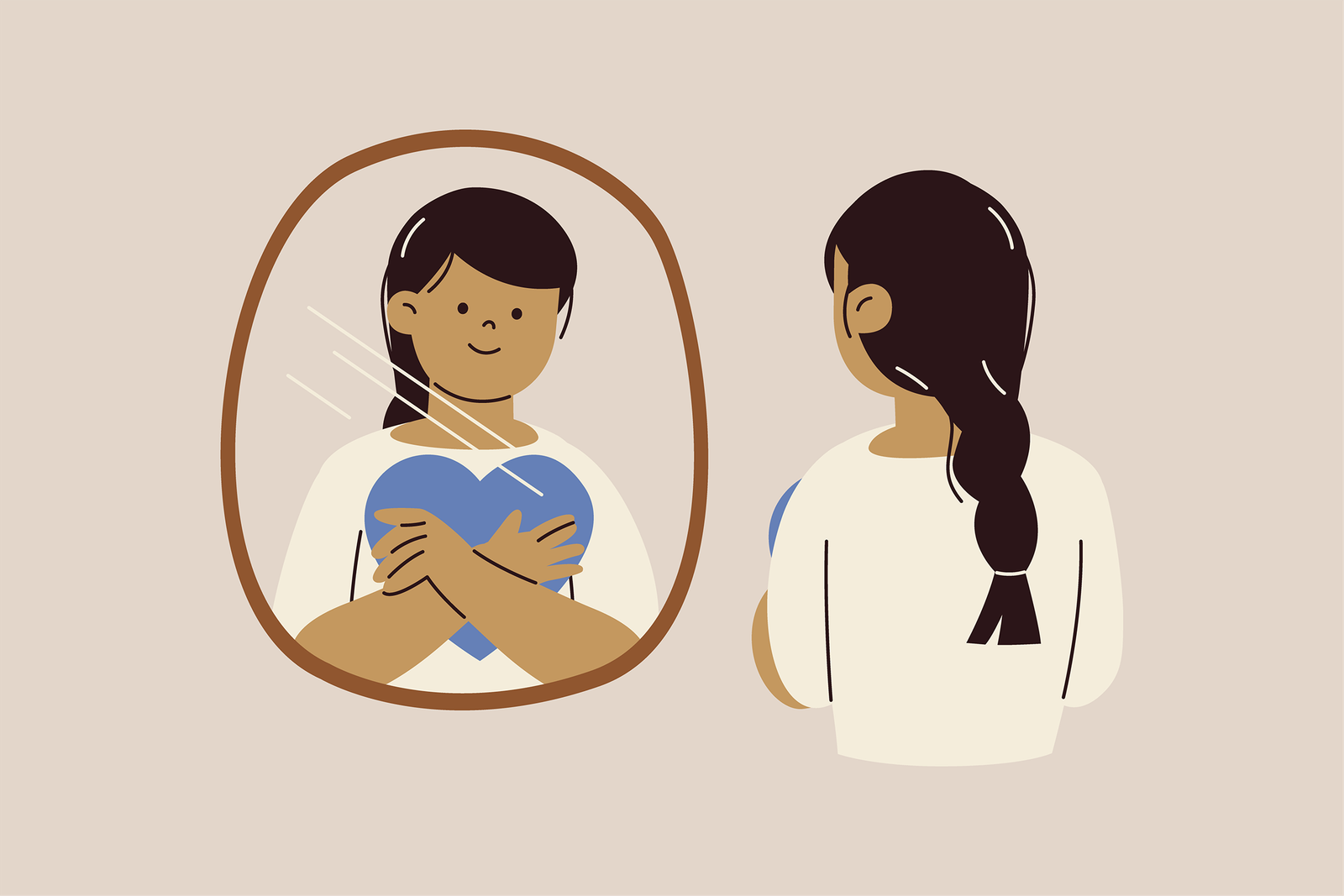
Self-compassion may provide another useful resource. People who struggle with peer pressure may criticize themselves after conforming. Excessive self-criticism can create another cycle of distress. A more compassionate perspective can acknowledge that the desire to belong is human while still encouraging future changes.
Values-based approaches can help individuals distinguish between social expectations and personally meaningful goals. When people have a clearer understanding of what matters to them, decisions become less dependent on immediate social approval. They may still care about relationships, but they can evaluate whether a particular behavior is consistent with their broader values.
Healthy relationships also involve mutual influence. It would be unrealistic to expect people never to change because of others. Friends can introduce new interests, challenge assumptions, encourage healthier habits, and provide emotional support. Influence becomes problematic when it removes meaningful choice or makes acceptance conditional on behavior that violates important personal boundaries.
Positive peer influence deserves particular attention. Groups can encourage individuals to study, exercise, seek professional help, avoid harmful substances, develop social skills, volunteer, or pursue creative goals. Belonging to a supportive group can strengthen motivation and provide a sense of shared purpose.
The same psychological mechanisms that produce harmful conformity can therefore support adaptive behavior. People observe what others do, evaluate social norms, and adjust behavior partly because they want to belong. The crucial question is what norms are being communicated and whether individuals retain meaningful autonomy.
Peer pressure is consequently better understood as a spectrum rather than a simple distinction between influence and independence. Most people are influenced by others in some areas of life. Complete independence from social influence is neither realistic nor necessarily desirable. Psychological health involves developing the ability to recognize influence, evaluate it, and decide how much authority it should have.
For children and adolescents, adults can support this process by creating environments in which disagreement is allowed. Asking young people what they think, discussing consequences rather than relying only on punishment, and teaching practical refusal skills may help them develop independent decision-making. At the same time, young people need to know that seeking help is acceptable when a situation becomes unsafe.
For adults, similar principles apply. Individuals may benefit from examining relationships in which they consistently suppress preferences to maintain acceptance. A friendship or professional relationship does not automatically become unhealthy because people disagree. In many cases, the ability to tolerate differences is an important feature of mature relationships.
Ultimately, peer pressure reflects a tension between two important human needs: the need for connection and the need for autonomy. People generally want to belong, but they also need to experience themselves as capable of making meaningful choices. Psychological difficulty may emerge when one need consistently overwhelms the other.
A psychologically flexible individual can listen to others without automatically obeying them, disagree without automatically attacking them, and belong to a group without completely losing individuality. Such flexibility does not require rejecting social relationships. Instead, it allows relationships to become contexts for mutual influence rather than systems of compulsory conformity.
Peer pressure is therefore not simply a problem of weak willpower. It involves social belonging, identity, fear of rejection, cognitive interpretation, developmental experiences, group dynamics, and individual values. Understanding these processes can help explain why people sometimes behave differently in groups than they would when alone.
The ultimate goal is not to eliminate social influence. Human beings learn through relationships, and social connection is an important part of psychological life. The more realistic goal is to develop the capacity to recognize when influence is helpful, when it conflicts with personal values, and when a social environment may be placing unreasonable demands on the individual.
When people can maintain meaningful relationships without making acceptance entirely conditional on conformity, peer influence can become a source of learning rather than psychological control. The ability to belong while remaining psychologically distinct may therefore represent an important aspect of mature social functioning.