Social comparison is a common psychological process through which individuals evaluate aspects of themselves in relation to other people. People may compare their abilities, appearance, achievements, relationships, social status, financial circumstances, personality characteristics, or life progress with those of others. Comparison can provide useful information and may help individuals understand social expectations, establish goals, and evaluate their own performance. However, when comparison becomes frequent, rigid, or strongly connected to personal worth, it may contribute to psychological distress and a more negative perception of the self.
The tendency to compare oneself with others is a normal aspect of human cognition. Individuals often have limited objective information about their own abilities or social position, so other people can become reference points. A student may compare academic performance with classmates, an employee may compare professional progress with colleagues, and an individual may compare appearance or lifestyle with friends. Such comparisons do not necessarily indicate low self-esteem or psychological difficulty. Their psychological impact depends on how they are conducted, what information is emphasized, and how the results are interpreted.
One important distinction is between comparison as information and comparison as self-evaluation. A person may observe that another individual has greater professional experience and use that observation as motivation to develop new skills. In another situation, the same observation may lead to the conclusion that “I am not good enough.” The external event is similar, but the psychological interpretation is different. Comparison becomes more problematic when differences in one area are transformed into global judgments about personal value.
Self-worth refers broadly to the extent to which individuals experience themselves as valuable and deserving of respect. It is related to, but not identical with, self-esteem. Self-esteem often concerns evaluations of one’s qualities or abilities, whereas self-worth can refer more broadly to the sense that one’s existence has value independent of perfect performance. When self-worth becomes strongly dependent on comparison, ordinary differences between people can become emotionally threatening.
A person may therefore interpret another individual’s success as evidence of personal failure. Someone else’s attractive appearance may be interpreted as proof of one’s own unattractiveness. Another person’s relationship may become evidence that one’s own life is inadequate. This pattern can occur even when the two individuals have completely different circumstances, opportunities, values, and goals.
Upward comparison occurs when individuals compare themselves with someone they perceive as more successful, attractive, capable, wealthy, socially accepted, or accomplished in a particular domain. Upward comparison can have different psychological effects. In some cases, it can provide inspiration and information about possible goals. In other cases, it may increase feelings of inadequacy, envy, shame, or discouragement.
The outcome may depend partly on how attainable the comparison target appears. If another person’s achievement seems realistic and relevant, comparison may encourage learning. If the person appears impossibly superior, the comparison may instead reinforce a sense of inadequacy. Individuals may also focus selectively on the other person’s strengths while ignoring their difficulties, limitations, and circumstances.
Downward comparison involves comparing oneself with someone perceived as less successful or less advantaged in a particular domain. This may temporarily protect self-esteem. However, relying heavily on downward comparison can create an unstable sense of worth because confidence depends on maintaining a favorable position relative to others. If circumstances change, the individual’s self-evaluation may change with them.
Another important form is lateral comparison, in which people compare themselves with individuals they perceive as relatively similar. Such comparisons can be particularly influential because similarity makes differences feel more personally relevant. A person may be less affected by the success of a distant celebrity than by the success of a friend of the same age who attended a similar school and entered a similar profession.
Social comparison often becomes more intense during periods of uncertainty. When individuals are unsure about their identity, abilities, appearance, career, or relationships, they may look to others for information about what is considered normal or successful. Comparison can therefore function as a way of reducing uncertainty. However, if external standards become the primary source of self-evaluation, the individual may become increasingly dependent on them.
Developmental experiences may influence this process. Children gradually learn to evaluate themselves through interactions with caregivers, teachers, siblings, and peers. Academic grades, praise, criticism, competition, and comparison can all contribute to beliefs about competence. If a child repeatedly receives messages that value depends on being better than others, achievement may become closely linked with personal worth.
Sibling comparison can be particularly influential in some families. A child may repeatedly hear that another sibling is more intelligent, more responsible, more attractive, or more successful. Even when parents intend to motivate children, frequent comparison may lead the child to evaluate personal worth relationally rather than independently. The individual may learn to ask, “Am I better or worse than them?” rather than “What are my own strengths and needs?”
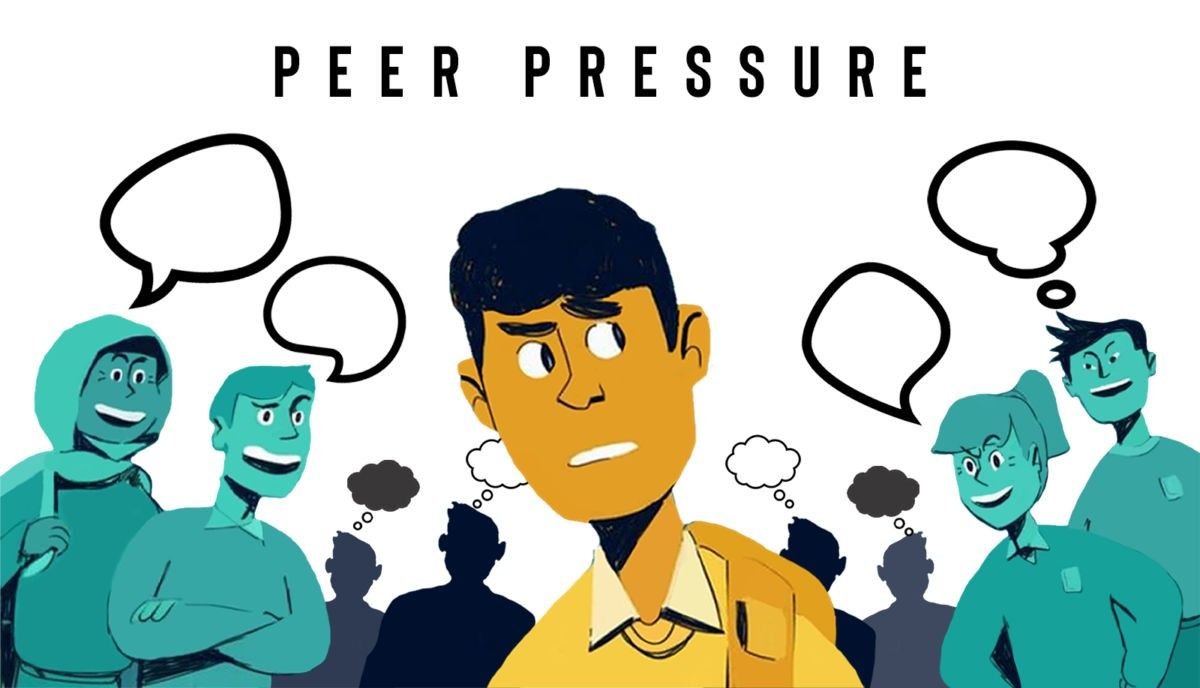
Peer relationships can have a similar influence. During adolescence, social acceptance and identity become increasingly important. Young people may compare clothing, appearance, academic performance, friendships, popularity, and other characteristics. Social exclusion or ridicule can intensify awareness of perceived differences.
These experiences do not necessarily produce lasting psychological difficulties. Individuals develop differently, and supportive relationships can provide alternative sources of self-worth. Nevertheless, repeated experiences of comparison can contribute to a habit of evaluating the self through external standards.
Social media has introduced a particularly visible form of social comparison. Individuals can now encounter large numbers of other people’s achievements, appearances, relationships, travel experiences, homes, careers, and lifestyles within a short period. The information presented online is often selective. People typically display particular moments rather than the complete complexity of their lives.
This creates the possibility of comparing one’s private reality with another person’s public presentation. An individual may know about their own insecurities, failures, conflicts, financial concerns, and ordinary routines while seeing primarily positive or carefully selected aspects of someone else’s life. Such an asymmetrical comparison can create unrealistic conclusions about personal inadequacy.
The frequency of digital comparison may also matter. Traditional social comparison occurred within relatively limited social environments. Digital platforms can expose individuals to hundreds or thousands of potential comparison targets. This can expand the reference group and make it difficult to feel that one’s achievements are sufficient.
Appearance is one domain in which social comparison can be particularly powerful. Images of highly idealized bodies, faces, clothing, and lifestyles may influence expectations about attractiveness. Some individuals may become increasingly dissatisfied with their own appearance after repeated exposure to idealized images. However, responses vary considerably between people, and social media is only one of many factors influencing body image.
Career comparison is another common area. Professional networking platforms and social environments may expose individuals to announcements about promotions, publications, awards, new jobs, business achievements, and academic accomplishments. A person who is already uncertain about career progress may interpret these announcements as evidence that everyone else is advancing more rapidly.
Such comparisons often ignore differences in age, resources, opportunities, health, family responsibilities, economic conditions, professional networks, and chance. Two people may have very different trajectories without either trajectory representing a personal failure. Psychological distress can arise when complex circumstances are reduced to a simple conclusion such as “They are ahead, therefore I am behind.”
Relationship comparison can operate similarly. People may compare their romantic relationships, friendships, family relationships, or social networks with those of others. Seeing another person’s apparently happy relationship may lead someone to question their own. Yet relationships are experienced privately, while many comparisons are based on limited external information.
The same process can occur with parenthood, housing, education, travel, financial circumstances, and lifestyle. Social standards can create implicit timelines about when people should achieve particular milestones. Individuals who do not follow these timelines may experience themselves as delayed or unsuccessful even when their circumstances and values are different.
The psychological consequences of chronic comparison can include envy, shame, anxiety, sadness, frustration, dissatisfaction, and reduced motivation. Some individuals may become motivated to improve themselves, while others may withdraw because the comparison makes their goals appear unattainable. The same comparison can therefore produce different outcomes depending on cognitive interpretation and emotional context.
Rumination may maintain the effects of comparison. After noticing another person’s success, an individual may repeatedly think about what they lack. The comparison is no longer limited to the original observation; it becomes an extended mental process. The person may imagine alternative versions of their life and repeatedly evaluate perceived shortcomings.
Self-criticism can intensify this process. Instead of recognizing a difference neutrally, the individual may respond with harsh internal statements. They may describe themselves as lazy, unattractive, unsuccessful, unintelligent, or inadequate. Such global labels can make improvement more difficult because the problem becomes the entire self rather than a specific behavior or skill.
Perfectionism can also interact with social comparison. If a person believes that they must perform exceptionally well to be valuable, every successful peer can become a threat to self-esteem. There is no stable endpoint because another person will always possess a different strength. The individual may therefore experience achievement as temporary protection rather than genuine satisfaction.
This can produce a phenomenon in which success does not create lasting confidence. A person may receive a high grade, promotion, compliment, or award but quickly compare themselves with someone who achieved more. Instead of experiencing satisfaction, they may immediately establish a new standard. Self-worth becomes dependent on continually outperforming others.
Another consequence can be reduced intrinsic motivation. Activities that were previously enjoyable may become competitions. A person may read not because they enjoy learning but because they want to appear knowledgeable. They may exercise primarily to compare their body with others. They may pursue a career mainly for status rather than personal meaning. When external comparison becomes dominant, personal values can become less visible.
This does not mean that ambition or competition is inherently unhealthy. Competition can encourage effort, innovation, and skill development. The psychological issue concerns whether competition remains compatible with well-being and personal values. Healthy achievement can coexist with appreciation for others, whereas chronic comparison may make another person’s success feel like a threat.
The relationship between comparison and self-worth may also operate in the opposite direction. Individuals with relatively fragile self-worth may compare themselves more frequently because they are searching for information about their social position. In this way, low confidence may increase comparison, while comparison may further reduce confidence. A self-reinforcing cycle can develop.
For some individuals, social comparison may become particularly important in social anxiety. A person who fears negative evaluation may monitor others to determine whether they are behaving appropriately. They may compare speech, appearance, confidence, and social skills. The more they compare, the more differences they may notice, potentially increasing self-consciousness.
Comparison can also be associated with depressive thinking. Individuals experiencing depressive symptoms may selectively focus on evidence that confirms negative beliefs about themselves. When they compare themselves with others, they may emphasize others’ successes and their own failures. This does not mean that social comparison causes depression in every case, but it may contribute to maintaining negative self-evaluation for some individuals.
Clinical assessment should therefore examine the broader pattern. A tendency to compare oneself with others is not a diagnosis. It becomes clinically relevant when it is persistent, associated with significant distress, or contributes to avoidance, impaired functioning, or other psychological symptoms. Professional assessment is necessary to determine whether comparison is part of a broader clinical condition.
One useful psychological distinction is between self-improvement and self-devaluation. Comparison can be constructive when it answers the question, “What can I learn?” It becomes more harmful when it answers, “What is wrong with me?” The first approach focuses on behavior, skills, and possibilities. The second turns a difference into a judgment of global personal worth.
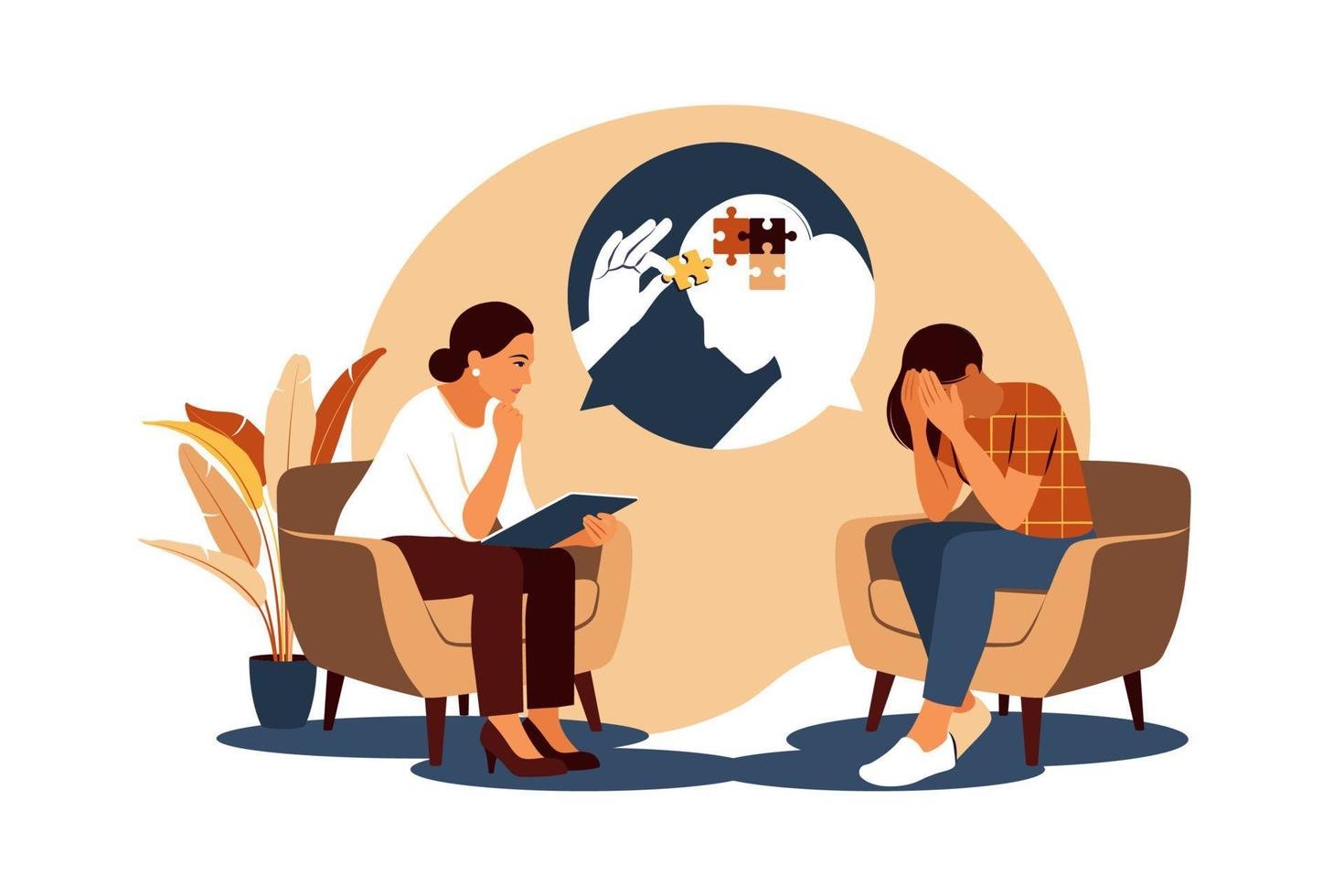
Cognitive behavioral approaches may help individuals identify these patterns. A person can examine what they notice when comparing themselves with others, what assumptions they make, and what emotions follow. They may discover that they compare selectively, ignore contextual differences, or interpret another person’s success as evidence of personal failure.
A more balanced comparison might involve considering the full context. Instead of asking only, “What has this person achieved that I have not?”, the individual might ask, “What circumstances contributed to this outcome?”, “What do I actually value?”, and “Is this goal personally meaningful to me?” Such questions can transform comparison from self-judgment into information.
Reducing unnecessary comparison does not require avoiding other people or social information completely. Social environments provide useful feedback. The goal may be to develop greater control over when comparison occurs and how much authority it has over self-evaluation.
Values clarification can be particularly relevant. Individuals may discover that some goals they have pursued were adopted primarily because they were socially admired. Once personal values become clearer, comparison may lose some of its power. If a person genuinely values family time more than professional status, another person’s promotion may be less relevant to their own sense of success.
Self-compassion may also provide an alternative to comparative self-evaluation. Instead of asking whether one is better or worse than another person, the individual can recognize that everyone has different strengths, limitations, histories, and circumstances. Self-compassion does not require denying areas that need improvement. It allows improvement to occur without making personal worth conditional on superiority.
Gratitude and appreciation can sometimes help redirect attention toward existing resources, although they should not be used to invalidate genuine dissatisfaction. Telling someone simply to “be grateful” may not address underlying problems. A more balanced approach involves recognizing what is meaningful while still acknowledging legitimate difficulties and goals.
Goal-setting can also be shifted from relative standards to personal standards. Instead of measuring progress primarily against other people, individuals can compare current functioning with their own previous functioning. A student might ask whether they understand more than they did last month. An employee might evaluate whether a skill has improved. Such comparisons can provide information without requiring another person to be inferior.
This does not eliminate social learning. People can still observe others, seek mentors, and learn from individuals with greater experience. The difference lies in the psychological meaning of the comparison. Another person’s competence can become a source of information rather than a threat to identity.
It is also important to recognize structural and contextual factors. Not all differences in achievement are the result of motivation or personal ability. Economic resources, education, discrimination, family responsibilities, social networks, geographic location, and opportunity can influence outcomes. A purely individualistic interpretation of comparison may therefore create unnecessary self-blame.
Culture can shape standards of success as well. Some environments emphasize academic achievement, others financial success, family responsibility, social reputation, physical appearance, or community contribution. Individuals may experience conflict when personal values differ from dominant expectations. Psychological well-being may depend partly on recognizing which standards are personally meaningful rather than automatically accepting every external measure.
Social comparison may also affect children and adolescents through educational systems. Grades, rankings, competitions, and public recognition can encourage comparison. Competition can motivate learning, but excessive emphasis on relative performance may make students interpret academic results as measures of personal worth. Educational environments can therefore influence how young people understand success and failure.
Parents and educators can support healthier self-evaluation by emphasizing effort, learning, individual progress, and multiple forms of ability rather than repeatedly comparing children with one another. This does not mean avoiding all feedback or competition. It means communicating that performance in one domain does not define the whole person.
The same principle applies in adulthood. Professional and social environments often make comparison unavoidable. Individuals may benefit from recognizing that visible success represents only one part of a person’s life. A promotion may coexist with stress; financial success may coexist with personal difficulties; social popularity may coexist with loneliness. External appearances rarely provide complete information.
The fear of falling behind can be particularly powerful. People may develop internal timelines about where they “should” be at a certain age. If they have not reached a particular milestone, they may interpret themselves as unsuccessful. These timelines are often influenced by family, culture, peers, and media rather than by objective psychological requirements.
A more flexible understanding of development recognizes that people follow different trajectories. Education, career, relationships, and personal growth do not occur according to one universal schedule. Differences in timing do not automatically indicate psychological failure.
Ultimately, social comparison is neither inherently beneficial nor inherently harmful. Its psychological effects depend on frequency, context, interpretation, emotional vulnerability, and the individual’s relationship with self-worth. Comparison can provide information, motivation, and realistic feedback. It can also contribute to shame, envy, anxiety, dissatisfaction, and self-criticism when personal value becomes dependent on relative status.
The central psychological task is not necessarily to stop noticing other people. It is to develop a more stable basis for evaluating oneself. Other people’s achievements can be acknowledged without becoming evidence of personal inadequacy. Their appearance does not determine one’s attractiveness. Their relationships do not define the quality of one’s own relationships. Their career progress does not establish a universal timetable for one’s life.
A stable sense of self-worth allows individuals to recognize differences without interpreting them as threats. It makes room for admiration without inferiority, ambition without constant competition, and self-improvement without self-rejection. When comparison becomes less central to personal identity, other people’s success can be understood as information about their lives rather than as a verdict on one’s own.
In clinical psychology, this distinction is important because the goal is not to eliminate ambition or social awareness. Rather, psychological work may involve helping individuals understand the beliefs and emotional patterns that make comparison distressing. When necessary, treatment can address associated anxiety, depression, perfectionism, low self-esteem, or avoidance.
Ultimately, psychological well-being does not require being better than other people. Nor does it require convincing oneself that differences do not exist. A more balanced position involves recognizing differences realistically while maintaining a sense of personal worth that does not depend entirely on social ranking. Individuals can learn from others, compete when appropriate, admire success, acknowledge personal limitations, and still maintain the understanding that human value cannot be reduced to comparison.