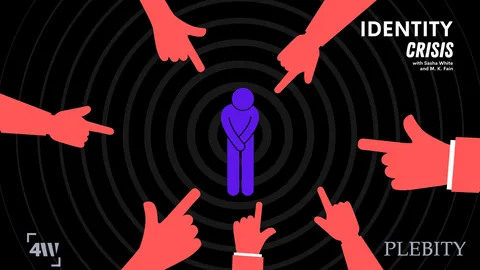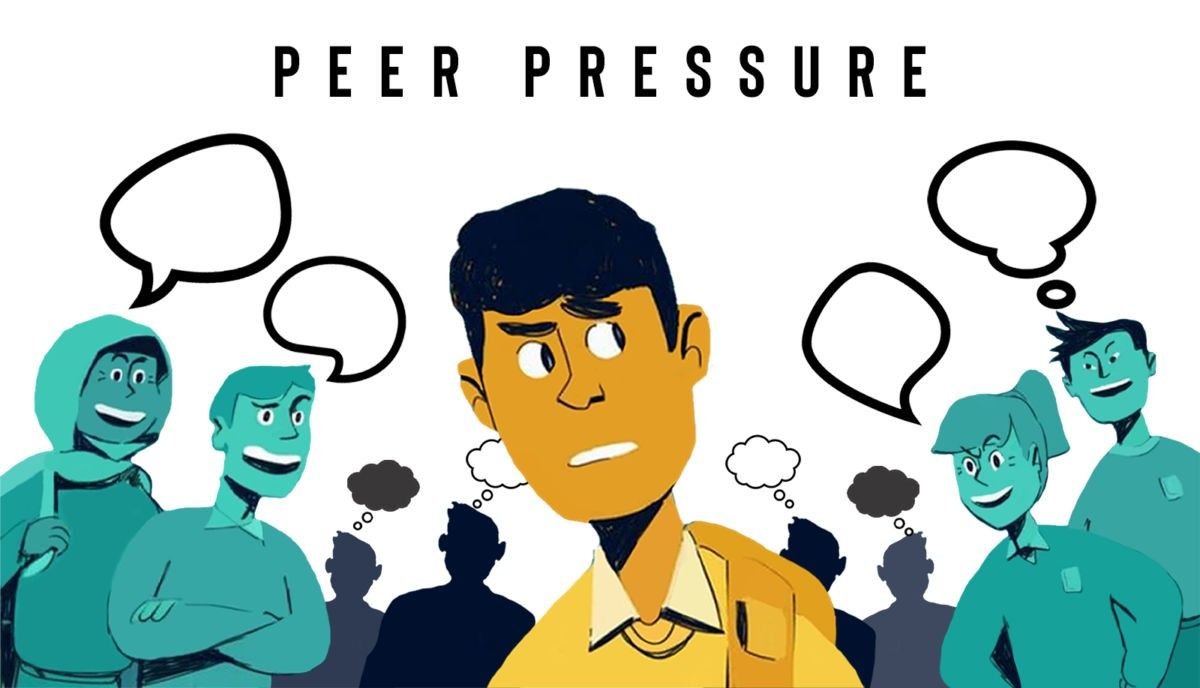
The ability to remain functional during difficult circumstances is often regarded as a psychological strength. People who continue working during stressful periods, support others during crises, manage responsibilities despite emotional difficulties, and remain calm when situations become uncertain are frequently described as strong. Resilience, responsibility, emotional stability, and persistence can indeed be valuable psychological resources. However, the expectation of always being strong may also have an emotional cost. When strength becomes an identity that leaves little room for vulnerability, individuals may gradually lose the ability to recognize, express, and respond to their own emotional needs.
Psychological strength does not necessarily mean the absence of distress. A person can be resilient while feeling afraid, exhausted, sad, uncertain, or overwhelmed. In fact, the capacity to acknowledge difficult emotions may be an important component of adaptive functioning. Problems may arise when individuals interpret emotional difficulty as evidence of weakness and therefore feel compelled to conceal it.
The social meaning of strength can contribute to this process. From childhood, some individuals receive messages that they should not complain, cry, depend on others, or show vulnerability. They may be praised for being responsible and independent. Over time, these messages can become internalized. The person may develop a belief that being valuable means being capable of handling everything without assistance.
Such beliefs can become especially influential when an individual occupies a caregiving role. A parent may feel responsible for remaining emotionally stable for children. An older sibling may become accustomed to protecting younger family members. A professional may believe that colleagues depend on them. A friend may repeatedly become the person others contact during crises. These roles can provide meaning and a sense of competence, but they can also create pressure to remain emotionally available even when personal resources are limited.
The psychological difficulty is not responsibility itself. Responsibility can be healthy and meaningful. The difficulty arises when responsibility becomes so dominant that personal needs are consistently excluded. An individual may become highly skilled at responding to other people’s distress while having little awareness of their own.
Emotional suppression is one mechanism through which this pattern may develop. Suppression involves attempting to reduce the expression or awareness of emotional responses. People may suppress sadness because they do not want to burden others, anger because they fear conflict, anxiety because they believe they should appear confident, or grief because they feel they need to continue functioning.
Suppressing an emotion temporarily can sometimes be useful. There are situations in which immediate emotional expression is impractical. A person may need to complete an urgent task before processing what they feel. The psychological concern is more likely to arise when temporary suppression becomes a habitual strategy.
When emotions are repeatedly postponed, individuals may begin to experience a separation between external functioning and internal experience. On the outside, they may appear calm and capable. Internally, they may feel exhausted, disconnected, or overwhelmed. Because others see the external presentation, they may not recognize the individual’s need for support.
This can create an unintended cycle. The more competent a person appears, the more others may assume that they do not need assistance. The person then receives less support, which may reinforce the belief that they must handle everything alone. Eventually, the individual may feel unseen despite being surrounded by people.
The phrase “I can handle it” can therefore have different psychological meanings. Sometimes it reflects genuine confidence. At other times, it may represent an automatic refusal to acknowledge vulnerability. The distinction depends on whether the person is making a flexible choice or feels unable to consider another option.
Difficulty asking for help is particularly relevant. Some individuals experience help-seeking as uncomfortable because it challenges their self-image as independent and capable. They may fear appearing weak, incompetent, needy, or burdensome. Others may have learned through previous experiences that their needs were ignored or criticized, making dependence feel unsafe.
A person who rarely asks for help may therefore develop considerable practical competence while remaining emotionally isolated. They may solve problems independently but have difficulty communicating when they are overwhelmed. This pattern can be difficult to recognize because independence is generally considered a positive characteristic.
Healthy independence, however, does not require complete self-sufficiency. Human beings depend on one another in many ways. Relationships involve mutual support, cooperation, and periods of unequal need. Being able to receive support can therefore be compatible with psychological strength.
The belief that strong people should manage everything alone may also contribute to perfectionism. If an individual believes that they must always remain competent, mistakes become threatening. They may experience ordinary limitations as personal failures. Instead of thinking, “This is difficult,” they may think, “I should be able to handle this.”
This distinction can produce significant self-criticism. The person may compare their current functioning with an imagined ideal version of themselves who never becomes tired, never loses patience, never needs assistance, and always knows what to do. Such a standard is difficult or impossible to maintain.
Emotional exhaustion may develop when psychological demands consistently exceed available resources. A person may continue meeting responsibilities while gradually experiencing reduced motivation, irritability, emotional numbness, difficulty concentrating, or a sense of detachment. These experiences can occur for many reasons and should not automatically be interpreted as evidence of a particular disorder.
The concept of burnout is relevant in contexts involving prolonged stress and insufficient recovery. Although burnout is often discussed in occupational settings, chronic emotional responsibility can also occur within families and relationships. A person may experience exhaustion from continuously managing other people’s needs even when the role is not formally recognized as work.
Caregiving can illustrate this tension particularly clearly. Caregivers may feel love and responsibility toward the people they support while simultaneously experiencing exhaustion. These emotions are not mutually exclusive. Feeling tired does not necessarily mean that a person cares less.
However, people who strongly identify with being the “strong one” may have difficulty acknowledging this complexity. They may believe that admitting exhaustion means they are failing those who depend on them. As a result, they may continue functioning beyond their emotional capacity.
The same pattern can appear after loss or trauma. Some individuals respond to difficult experiences by immediately focusing on practical responsibilities. They organize arrangements, support relatives, continue working, and manage daily tasks. Such behavior can be adaptive during an acute crisis. However, emotional processing may occur later, sometimes after the immediate demands have decreased.
Delayed emotional responses are not necessarily pathological. People respond to difficult experiences differently, and there is no universal timetable for emotional processing. Nevertheless, persistent avoidance of painful emotions may contribute to difficulties later if the person has no opportunity to integrate the experience.
Grief provides an important example. Someone who believes they must remain strong for everyone else may suppress their own grief to support family members. Others may consequently depend on that person even more. The individual can become trapped in a role in which everyone receives emotional support except the person who is also grieving.
This can create loneliness that is difficult to identify. The individual may not lack relationships; instead, they may lack relationships in which their own vulnerability is welcomed. They can be surrounded by people and still feel that nobody truly knows how difficult things are for them.
Emotional loneliness can therefore exist alongside social connection. A person may have friends, relatives, colleagues, or a partner while rarely revealing their internal experience. The absence of emotional disclosure can gradually reduce the sense of being understood.
Some individuals cope with this problem through humor. They may make jokes about stressful experiences rather than discussing their emotional impact. Humor can be a healthy coping strategy, but it may also become a way of avoiding vulnerability when serious emotions are consistently converted into jokes.
Others may use intellectualization. They analyze their problems extensively but rarely describe how those problems make them feel. Thinking can provide a sense of control, particularly when emotions feel uncertain. Yet understanding an emotion intellectually is not always the same as experiencing and processing it emotionally.
Overthinking can sometimes function in a similar way. Instead of acknowledging sadness, fear, or uncertainty, a person may repeatedly analyze possible explanations and outcomes. The mind remains active while emotional needs remain unaddressed. This does not mean that thinking is itself unhealthy. Reflection becomes problematic when it consistently replaces emotional awareness.
Some people respond to vulnerability by becoming increasingly productive. They fill their schedules with work, household responsibilities, exercise, study, or other activities. Productivity can provide structure and satisfaction, but it can also become a form of avoidance when there is no space for rest or emotional processing.
The cultural meaning of strength can influence these patterns. In some social environments, emotional restraint is strongly valued, while openness may be interpreted as weakness. Expectations can differ according to family structure, gender norms, age, professional role, and cultural background. These influences should be considered when understanding why a particular person finds vulnerability difficult.
It is also important not to pathologize emotional restraint. Some individuals naturally prefer privacy and do not need to express emotions frequently. Introversion, emotional reserve, and independence are not psychological disorders. The relevant issue is whether the person’s emotional style is flexible and whether it allows them to respond adequately to their own needs.
Psychological flexibility is therefore more useful than a simple distinction between “strong” and “weak.” A flexible person can be composed when necessary and vulnerable when appropriate. They can solve problems independently and ask for assistance. They can support others while recognizing when they themselves need support.
This flexibility may require a change in the meaning of strength. Strength can be understood not as the absence of vulnerability but as the ability to respond appropriately to changing circumstances. Sometimes strength involves continuing. Sometimes it involves stopping. Sometimes it involves saying no. Sometimes it involves asking another person to help.
For individuals who have spent many years being “the strong one,” these changes may feel unfamiliar. Their identity may be strongly associated with competence and emotional control. Allowing themselves to need others can therefore produce guilt or anxiety.
Guilt is particularly common when individuals begin establishing boundaries. Someone who has always helped family members may feel guilty when declining a request. A parent who takes time for themselves may worry that they are being selfish. An employee who stops accepting additional responsibilities may fear being perceived as less committed.
Such guilt does not necessarily mean that the boundary is wrong. Emotional discomfort can occur when people change established patterns. The feeling itself does not always provide reliable evidence about whether a decision is appropriate.
Cognitive behavioral approaches can help individuals examine beliefs that maintain chronic self-reliance. Common beliefs may include “I must handle everything myself,” “Other people have enough problems,” “If I ask for help, people will lose respect for me,” or “I should never break down.” These beliefs can be examined for their accuracy, flexibility, and consequences.
A more balanced belief might be that competence and dependence can coexist. An individual can be capable and still require assistance. Being exhausted does not erase previous competence. Having a difficult emotional reaction does not automatically mean that a person is incapable.
Self-compassion may also be particularly relevant. Individuals who are highly demanding of themselves may offer kindness to other people while applying very different standards to themselves. They may understand when another person is tired but criticize themselves for needing rest.
Self-compassion does not mean abandoning responsibility. It involves responding to personal limitations with the same basic understanding that one might offer to another person in a comparable situation. This can reduce unnecessary self-criticism and create space for recovery.
Rest is another important part of this process. Individuals who define themselves through productivity may experience rest as wasted time. However, psychological and physical functioning require periods of recovery. Constant activity can make it difficult to distinguish productive effort from depletion.
Learning to rest can therefore be psychologically challenging for some people. The individual may initially feel guilty, restless, or unproductive. These reactions may reflect an established belief system rather than evidence that rest is unnecessary.
Emotional awareness is equally important. Individuals can gradually learn to identify basic emotional states by asking themselves what they are feeling, where they notice it, what may have triggered it, and what they might need. The purpose is not to analyze every emotion excessively but to create a habit of noticing internal experience.
Needs may include rest, privacy, reassurance, practical assistance, emotional connection, boundaries, or time alone. Recognizing a need does not automatically mean that it must be fulfilled immediately. Awareness simply provides information that can be considered when making decisions.
Relationships can become healthier when emotional responsibility is mutual. A person who has always provided support may need to practice allowing others to support them. This can initially feel uncomfortable because receiving changes the established relationship pattern.
Some relationships may respond positively to this change. Others may resist it because they have become accustomed to the individual’s constant availability. Such reactions can provide information about relationship dynamics, although they should be interpreted carefully rather than immediately labeled as evidence of unhealthy relationships.
The fear of disappointing others can be another barrier. People who have built identities around reliability may feel intense discomfort when they cannot meet expectations. They may apologize repeatedly or attempt to compensate excessively.
A more balanced approach recognizes that reliability has limits. No individual can meet every request, solve every problem, or remain emotionally available at all times. Accepting limits can protect relationships from resentment and exhaustion.
Anger may also emerge when people consistently suppress their own needs. A person may initially appear patient and accommodating but eventually experience resentment toward those who depend on them. The anger may seem sudden to others because the underlying dissatisfaction was rarely communicated.
This illustrates why emotional expression can be protective. Communicating needs earlier may prevent frustration from accumulating. Assertive communication allows individuals to address problems before they become overwhelming.
There is also an important difference between emotional expression and emotional discharge. Healthy emotional communication does not require expressing every feeling impulsively. Individuals can acknowledge emotions while choosing appropriate ways to communicate them. Emotional regulation involves managing emotions, not eliminating them.
The goal, therefore, is not to move from excessive suppression to uncontrolled expression. Psychological health generally involves developing a broader range of responses. A person can regulate emotions without denying them, communicate needs without demanding that others meet every need, and maintain responsibility without assuming responsibility for everything.
For people who have experienced prolonged adversity, the identity of being strong may have developed for understandable reasons. During difficult periods, focusing on survival and practical functioning may have been necessary. A coping strategy that was once adaptive can later become restrictive if circumstances change.
This is one reason clinical psychology approaches coping patterns with caution. A behavior should not be judged solely by how it appears from the outside. The same behavior can serve different psychological functions for different individuals. Independence may represent confidence for one person and fear of dependence for another.
Professional support may be appropriate when emotional suppression, chronic stress, or inability to seek help is associated with significant distress or impaired functioning. Therapy can provide a setting in which individuals do not need to maintain their usual social role. They can explore emotions and needs without being responsible for protecting another person’s feelings.
Therapeutic work may also involve examining early relational experiences, current interpersonal patterns, self-critical beliefs, and coping strategies. The aim is not necessarily to remove a person’s strengths but to make those strengths more flexible.
A person does not need to stop being responsible, reliable, or resilient. Instead, they may learn that these qualities are only part of their identity. They can also be tired, uncertain, dependent, emotional, imperfect, and in need of care.
This broader identity can reduce the pressure associated with maintaining a constant image of strength. It allows the individual to experience ordinary human limitations without interpreting them as failures of character.
Ultimately, being strong does not mean being unaffected. Human beings can experience pain even when they are resilient. They can continue functioning while struggling internally. They can support others while needing support themselves. These experiences are not necessarily contradictions.
The emotional cost of always being strong often emerges when strength becomes compulsory rather than flexible. When a person feels that they have no permission to rest, cry, ask for help, make mistakes, or admit uncertainty, resilience can gradually become emotional isolation.
A healthier understanding of strength allows vulnerability to exist alongside competence. It recognizes that asking for help can be a form of adaptive decision-making, that rest can be necessary rather than selfish, and that emotional awareness can coexist with emotional regulation.
In this sense, psychological strength may be less about carrying everything alone and more about knowing what can be carried independently, what should be shared with others, and when additional support is necessary. The capacity to acknowledge one’s limits does not erase resilience. In many circumstances, it allows resilience to become more sustainable.
A person who no longer feels obligated to be strong at every moment may have greater freedom to respond authentically to changing circumstances. They can remain capable without becoming emotionally unavailable, remain responsible without becoming self-neglecting, and remain supportive of others without disappearing from their own emotional life.