Self-discovery is a psychological process through which individuals gradually develop a deeper understanding of their identity, values, emotions, motivations, beliefs, and personal needs. It is not simply about identifying strengths or deciding what kind of person one wants to become. It also involves examining experiences, questioning assumptions, recognizing behavioral patterns, and understanding the influences that have shaped one’s perception of life. Self-discovery can occur at different stages of life, and it does not necessarily require a major personal crisis or a dramatic change in circumstances.
Many people assume they already know themselves because they are familiar with their daily routines, preferences, responsibilities, and social roles. However, familiarity with everyday behavior does not always mean a person has developed a clear understanding of their psychological identity. Individuals may spend years following expectations established by family, society, education, or relationships without consciously examining whether those expectations reflect their own values. The process of self-discovery begins when a person becomes curious about the reasons behind their choices rather than simply accepting them as part of everyday life.
One of the central aspects of self-discovery is self-awareness. Self-awareness involves recognizing one’s thoughts, emotional reactions, motivations, behavioral tendencies, and personal experiences. It allows individuals to observe how they respond to different situations and identify patterns that may otherwise remain unnoticed. For example, someone may realize that they frequently agree with others even when they disagree internally. This observation may lead them to examine whether their behavior is influenced by fear of rejection, the desire to avoid conflict, or a belief that expressing disagreement will negatively affect relationships.
Understanding personal values is another important part of discovering oneself. Values influence decisions, priorities, relationships, and the way individuals interpret meaningful experiences. However, personal values are not always clearly identified. Some people may prioritize security because they have experienced instability, while others may value independence because they have spent much of their lives feeling controlled. Examining these priorities can help individuals understand why particular situations feel emotionally significant and why certain decisions produce satisfaction while others create internal discomfort.
Self-discovery also involves recognizing the difference between one’s authentic preferences and socially influenced expectations. Human beings naturally adapt to their environments. They learn how to communicate, behave, and interact according to social norms. This adaptation is essential for social functioning, but it can sometimes make it difficult to distinguish personal preferences from behaviors developed to gain acceptance. Individuals may pursue careers, relationships, lifestyles, or goals because they believe these choices are expected rather than because they genuinely reflect their interests.
This process can be connected to social comparison, through which individuals evaluate themselves in relation to others. Comparing achievements, lifestyles, appearance, abilities, or personal circumstances may influence self-perception. When comparison becomes frequent, people may begin to define their identities according to external standards. They may feel successful only when they outperform others or feel inadequate when their lives do not resemble the lives they observe. Self-discovery encourages individuals to reconsider these standards and identify what actually constitutes a meaningful life from their own perspective.
Another important aspect of self-discovery is examining the beliefs individuals hold about themselves. These beliefs may develop through childhood experiences, social interactions, education, cultural expectations, and repeated emotional experiences. A person who has frequently been criticized may develop the belief that mistakes indicate personal inadequacy. Someone who has received recognition primarily for achievement may believe that their worth depends on productivity. Such beliefs can influence decisions, relationships, emotional reactions, and the willingness to explore unfamiliar opportunities.
The concept of self-concept helps explain how individuals understand and describe themselves. Self-concept includes beliefs about personal characteristics, abilities, roles, and identity. However, self-concept may not always accurately reflect an individual’s actual capacities or experiences. Some people underestimate their abilities, while others maintain beliefs that are difficult to reconsider. Self-discovery can help individuals develop a more realistic and flexible self-concept by examining how they interpret themselves and whether those interpretations are supported by their experiences.
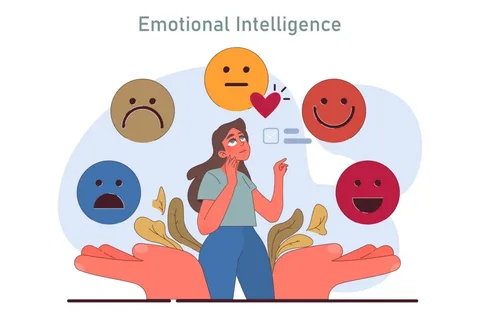
Emotional experiences can also provide important information during the process of self-discovery. Emotions are not merely reactions that need to be controlled or eliminated. They can reveal information about personal needs, expectations, boundaries, fears, and values. Anger may indicate that an individual feels disrespected or that a boundary has been violated. Sadness may reflect loss, disappointment, or an unmet emotional need. Anxiety may sometimes arise when a person faces uncertainty or feels disconnected from their sense of security. Understanding emotions can help individuals recognize aspects of themselves that they have previously overlooked.
However, self-discovery does not require interpreting every emotion as a hidden psychological message. Emotional experiences can be influenced by physical conditions, sleep, stress, environmental factors, and temporary circumstances. A balanced approach involves observing emotional patterns over time rather than drawing conclusions from a single experience. This perspective encourages curiosity without unnecessary self-judgment.
Personal boundaries are also closely related to self-discovery. Individuals who have difficulty identifying their needs may struggle to communicate limits in relationships. They may tolerate situations that create discomfort, avoid expressing disagreement, or feel responsible for other people’s emotional reactions. Understanding personal boundaries involves recognizing what feels acceptable, what creates emotional strain, and how to communicate these limits respectfully. Developing boundaries can help individuals maintain relationships without abandoning their own psychological needs.
Self-discovery may also involve understanding the role of fear in decision-making. Fear of failure, criticism, rejection, uncertainty, or disappointing others can influence the direction of a person’s life. Some individuals avoid opportunities because they believe they are not capable, while others remain in familiar situations because change feels emotionally threatening. Examining these fears can help distinguish genuine limitations from assumptions that have become part of an individual’s self-perception.
The relationship between self-discovery and self-esteem is particularly important. Self-esteem concerns how individuals evaluate their own worth, while self-discovery involves understanding the broader psychological aspects of identity. A person may develop greater self-awareness without immediately experiencing higher self-esteem. Recognizing personal weaknesses, unresolved conflicts, or mistakes can sometimes produce discomfort. Nevertheless, a more realistic understanding of oneself may eventually support a healthier and more stable sense of self-worth.
Another dimension of self-discovery is recognizing recurring behavioral patterns. Individuals may notice that they repeatedly choose similar types of relationships, react defensively to certain situations, procrastinate when facing specific tasks, or experience the same conflicts in different environments. These patterns can provide opportunities for reflection. Rather than assuming that repeated behavior represents an unchangeable personality characteristic, individuals can explore the circumstances, beliefs, and emotional processes that contribute to it.
Self-discovery can also involve revisiting earlier experiences. Memories may influence present behavior in ways that are not always consciously recognized. For example, an individual who experienced rejection may become particularly sensitive to social exclusion. Someone who grew up in an environment where mistakes were heavily criticized may struggle with perfectionism. Reflecting on the relationship between past experiences and present behavior can help individuals understand why particular situations produce strong reactions. However, memories and interpretations are complex, and personal reflection should not automatically be treated as a definitive explanation of psychological difficulties.
The influence of personal identity becomes particularly noticeable during periods of transition. Changes in employment, relationships, education, family responsibilities, or social environments may encourage individuals to reconsider who they are and what they want from life. A person who previously defined themselves primarily through professional achievements may begin to question this identity after experiencing burnout. Someone whose identity has been closely connected to a relationship may need to rediscover personal interests and goals following a separation. These transitions can create uncertainty, but they may also provide opportunities to develop a more flexible understanding of identity.
Self-discovery is not always comfortable because it may challenge familiar beliefs and expectations. Individuals may realize that some relationships are no longer emotionally satisfying, that certain goals were influenced by external pressure, or that they have avoided expressing important needs. Such realizations do not necessarily require immediate decisions or dramatic changes. Understanding oneself is often a gradual process that allows individuals to make more thoughtful choices over time.
Journaling can be a useful tool for self-discovery. Writing about experiences, emotions, decisions, and personal reflections may help individuals identify patterns that are difficult to recognize during everyday activities. Questions such as “What situations make me feel most comfortable?”, “When do I feel that I am acting against my values?”, or “What am I afraid of losing when I avoid making a decision?” can encourage meaningful reflection. The purpose of journaling is not to produce perfect answers but to develop a clearer understanding of one’s experiences.
Mindfulness can also support self-discovery by encouraging individuals to observe their thoughts, emotions, and reactions without immediately judging them. During daily activities, people may operate automatically, responding to familiar situations according to established habits. Mindfulness creates opportunities to notice these reactions and consider whether they reflect conscious choices. It can help individuals develop greater awareness of their emotional and behavioral patterns.
Reading psychological literature, exploring different philosophical perspectives, and learning about human behavior can also contribute to self-discovery. These activities may introduce individuals to concepts that help explain experiences they previously struggled to understand. Nevertheless, psychological theories should not be used to assign rigid labels to oneself. Human behavior is complex, and no single concept can fully explain an individual’s personality, relationships, or emotional life.
An important part of self-discovery is accepting that identity is not necessarily fixed. People can change their beliefs, interests, priorities, and behaviors throughout their lives. Some characteristics may remain relatively stable, while others develop through experience and reflection. Understanding oneself does not mean reaching a final definition of identity. It means developing the ability to recognize personal experiences while remaining open to growth and change.
Ultimately, self-discovery is not about becoming a completely different person or discovering a hidden version of oneself that has never changed. It is about developing a more conscious relationship with one’s thoughts, emotions, values, decisions, and experiences. When individuals understand the influences shaping their behavior, they may become better able to make choices that reflect their authentic priorities. The process can be gradual, sometimes uncertain, and occasionally uncomfortable, but it can also contribute to greater psychological independence, meaningful relationships, and a more intentional approach to life.