Antipsychotic medications are an important part of modern psychiatric treatment and are primarily used for conditions involving psychosis, such as schizophrenia and schizoaffective disorder. They may also be prescribed in bipolar disorder, severe mood disorders, and some other psychiatric conditions. Psychosis can affect a person’s perception of reality, thinking, emotions, and behavior. Hallucinations, delusions, disorganized thinking, and severe behavioral changes may make everyday functioning extremely difficult. Antipsychotic medications aim to reduce these symptoms and help individuals regain stability.
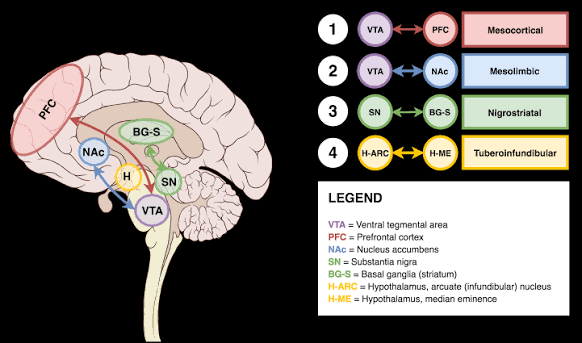
The term “antipsychotic” describes a broad group of medications rather than a single type of drug. Different antipsychotics affect the brain in different ways, although most influence dopamine signaling. Dopamine is a neurotransmitter involved in motivation, movement, learning, reward, and the processing of important or significant information. Excessive dopamine activity in particular brain pathways is believed to contribute to some psychotic symptoms.
Traditional or first-generation antipsychotics include medications such as haloperidol and chlorpromazine. These medications primarily block dopamine D2 receptors. By reducing excessive dopamine signaling, they can decrease hallucinations, delusions, agitation, and other positive symptoms of psychosis. However, dopamine also plays an important role in movement, so blocking it too strongly can produce movement-related side effects.
Second-generation, or atypical, antipsychotics include medications such as risperidone, olanzapine, quetiapine, and clozapine. These medications generally affect both dopamine and serotonin systems. Their broader receptor activity may provide benefits for different symptom patterns, although each medication has its own advantages and risks.
Psychotic symptoms can be divided into several categories. Positive symptoms include hallucinations, delusions, and disorganized speech or behavior. These symptoms represent experiences or behaviors that are added to ordinary functioning. Antipsychotic medications are generally most effective for reducing these symptoms.
Negative symptoms are different. They may include reduced motivation, social withdrawal, diminished emotional expression, reduced speech, and loss of interest. These symptoms can be particularly difficult to treat and may contribute significantly to long-term disability. Although some antipsychotics may help certain negative symptoms, medication alone does not always produce complete improvement.
Cognitive symptoms can also occur. Individuals may experience difficulties with attention, working memory, planning, or processing information. These problems can affect education, employment, relationships, and independent living. Treatment of cognitive symptoms remains an important challenge in psychiatric research.
Antipsychotic medications do not necessarily eliminate psychotic symptoms immediately. Some effects, such as reduction of severe agitation, may become noticeable relatively quickly, while improvement in hallucinations and delusions can take longer. Continued treatment may be necessary to achieve and maintain stability.
One of the most important principles of antipsychotic treatment is relapse prevention. Psychotic disorders can involve repeated episodes, and each relapse can disrupt relationships, education, employment, and independent functioning. For people who benefit from antipsychotic medication, continuing treatment as prescribed can significantly reduce the likelihood of future episodes.
Some patients stop medication because they feel better. This can create a difficult situation because improvement may be evidence that the treatment is working. If medication is stopped without medical supervision, psychotic symptoms may gradually return. For this reason, decisions about reducing or discontinuing treatment should be made with a psychiatrist.
Side effects vary considerably among antipsychotics. Some can cause sleepiness, increased appetite, weight gain, metabolic changes, movement disorders, dizziness, or hormonal changes. Others may be more likely to cause restlessness or movement-related problems. Because the side-effect profiles differ, psychiatrists select medications according to the individual’s symptoms, medical history, and treatment needs.
One particularly important medication is clozapine. It can be highly effective for treatment-resistant schizophrenia, especially when other antipsychotics have not produced sufficient improvement. However, clozapine requires specialized monitoring because it can cause serious adverse effects. Regular blood testing and medical supervision are therefore essential.
Long-acting injectable antipsychotics provide another treatment option. Instead of taking a tablet every day, some medications can be administered at intervals ranging from several weeks to several months, depending on the specific medication. These formulations can be useful for people who have difficulty remembering daily medication or who prefer a treatment that does not require daily tablets.
Psychiatric treatment is not limited to medication. Psychotherapy, family education, social support, rehabilitation, vocational assistance, and structured daily activities can be extremely important. Individuals recovering from psychosis may need help rebuilding confidence, relationships, educational goals, and independent living skills.
Family involvement can also improve treatment. Families may notice early changes in sleep, behavior, communication, or suspiciousness before a person recognizes that symptoms are returning. Education about warning signs can help families respond earlier and encourage appropriate professional support.
The use of antipsychotics requires careful monitoring because psychiatric treatment involves balancing benefits against potential risks. Clinicians may monitor weight, blood pressure, blood glucose, cholesterol, movement symptoms, and other relevant parameters. Regular follow-up allows treatment to be adjusted when necessary.
It is also important to understand that taking an antipsychotic medication does not mean that a person is “dangerous” or permanently disconnected from reality. Psychotic disorders are medical conditions, and many people receiving treatment are able to study, work, maintain relationships, and live independently. Stigma surrounding psychiatric medication can sometimes discourage individuals from seeking or continuing effective treatment.
Antipsychotic medications can also be used outside schizophrenia. In bipolar disorder, certain antipsychotics are effective in treating acute mania and preventing or reducing particular mood episodes. Some are also used as additional treatment for severe depression when standard antidepressant treatment has not been sufficient.
The choice of medication depends on the specific psychiatric diagnosis and individual circumstances. A psychiatrist may consider previous treatment response, current symptoms, side effects, other medications, physical health, lifestyle, and the patient’s preferences. There is no universally “best” antipsychotic for every person.
In conclusion, antipsychotic medications play a central role in the treatment of psychotic disorders and several other psychiatric conditions. By influencing neurotransmitter systems, particularly dopamine pathways, they can reduce hallucinations, delusions, disorganized thinking, and other severe symptoms. Their benefits must be balanced against possible side effects, making professional monitoring essential. Medication is often most effective when combined with psychotherapy, family support, rehabilitation, and social interventions. Modern psychiatric care therefore views antipsychotic medication not as a cure by itself, but as one important component of a broader strategy that can help individuals regain stability, independence, and quality of life.