


In a world where busyness is celebrated and rest is romanticized only when it’s “earned,” many people live under a quiet, constant fear: that they’re not doing enough. This internal pressure, known as productivity anxiety, is not about laziness or failure—it’s the psychological toll of believing that worth is measured by output. This anxiety is often fueled by social comparison, perfectionism, and the hustle culture that permeates social media. Seeing curated posts about others’ achievements or hyper-efficient lifestyles can trick the brain into perceiving rest as laziness and leisure as guilt-worthy. Even moments of stillness are haunted by a sense that we should be doing something “more productive.” Unlike motivation, which drives action, productivity anxiety paralyzes. It creates a loop where individuals never feel satisfied, even when they accomplish goals. This leads to burnout, disconnection from joy, and a deepening sense of inadequacy. True productivity isn’t about filling every minute—it’s about intentional action, purpose, and mental clarity. Reframing success to include emotional well-being, deep rest, and saying “no” is essential for breaking the cycle. In the end, your value isn’t defined by how much you produce—but by who you are when you’re not producing anything at all.
Toxic Positivity: When Good Vibes Become a Burden
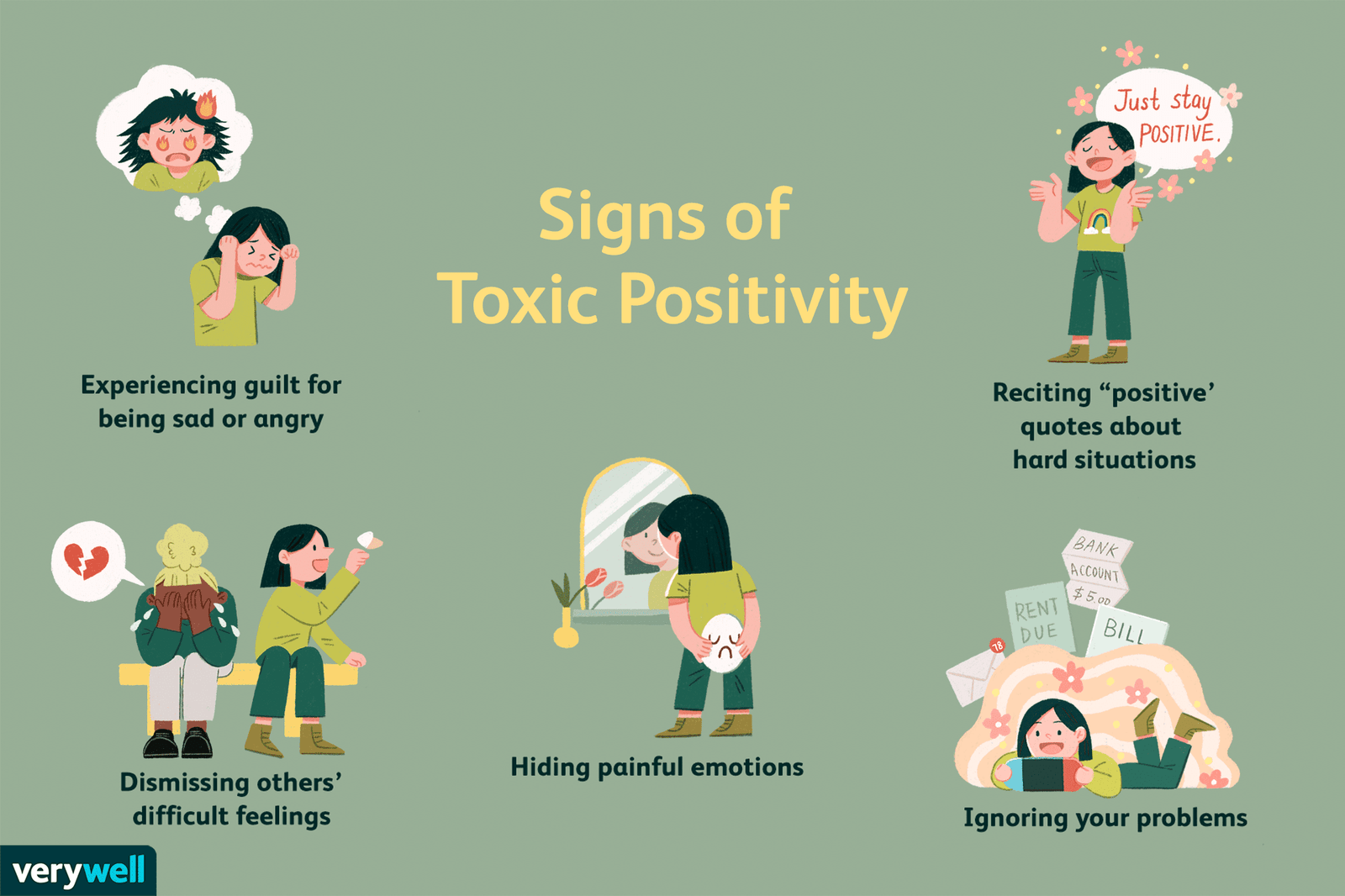
In a culture that celebrates relentless optimism, we’ve begun to mistake positivity for emotional strength. While encouragement and hope are essential, toxic positivity emerges when these ideals become rigid, insistent, and dismissive of real emotional complexity. It is the belief that no matter how painful a situation is, one must maintain a positive mindset. Though seemingly harmless, it can invalidate genuine feelings, leaving individuals feeling silenced and alone. Statements like “everything happens for a reason” or “just stay positive” are often well-intentioned. Yet, when offered in moments of grief, anxiety, or deep exhaustion, they bypass empathy and impose an unrealistic standard: emotional perfection. In such moments, people don’t need silver linings—they need presence, understanding, and space to feel without judgment. Unlike healthy optimism, which allows room for vulnerability and healing, toxic positivity demands suppression. It discourages emotional honesty and cultivates shame around natural human responses. Over time, individuals internalize the message that sadness is weakness, and emotional expression is failure. The antidote is not to abandon positivity, but to practice radical emotional honesty—to normalize discomfort, hold space for struggle, and resist the urge to immediately fix what feels unpleasant. True resilience isn’t built by ignoring pain, but by acknowledging it with compassion. Positivity becomes powerful only when it respects the full range of human emotion. Anything less is not healing—it’s harm in disguise.
Breaking the Loop: Practical Strategies for Tackling Unfinished Tasks
Understanding why tasks remain unfinished is only the first step. To truly free up mental space and emotional energy, individuals need concrete tools to break the cycle. Below are evidence-based strategies that combine psychological insight with actionable steps: 1. The Two-Minute Rule If a task takes less than two minutes, do it immediately. Many unfinished tasks are actually quick actions—like replying to an email or throwing away clutter. Completing them on the spot prevents mental buildup and reduces friction for larger tasks. 2. Define “Done” Clearly One reason tasks stay open is because “done” is vague. Does “finish the presentation” mean creating slides or rehearsing them? Define your endpoint precisely. A fuzzy goal is much harder for the brain to approach than a concrete one. Instead of: “Work on blog post”Try: “Write the first 150 words of the introduction.” 3. Use the “Next Small Step” Technique Psychologically, starting is the hardest part. Break tasks into the smallest possible next action. Your brain resists vague effort, but it cooperates with specific motion. Example: Instead of “Clean the room,” start with “Put two books back on the shelf.” 4. Externalize with a “Cognitive Offload” Write everything down. Use a notebook, whiteboard, or digital app to get open loops out of your head and into a system. This reduces mental clutter and frees cognitive resources for deep focus. 5. Time-Block the Emotionally Avoided Tasks Put avoided or unfinished tasks into your calendar with time limits. This gives them a psychological container. Knowing a task has a clear beginning and end reduces resistance. 6. Review Weekly, Close What Doesn’t Matter Not every task is worth finishing. A weekly review allows you to ask: “Do I still want to complete this—or am I holding it out of guilt?” Letting go is sometimes more powerful than finishing. Closure doesn’t always mean completion—it can mean conscious release. 7. Reward Closure Every time you finish something, take a moment to notice it. The brain learns through reward. By acknowledging progress—even silently—you increase the chance of completing future tasks. Final Thought Unfinished tasks aren’t just about poor planning—they’re often emotional artifacts of our inner lives. By turning awareness into action, and action into routine, we can reduce psychological drag and reconnect with a sense of agency.

Why We Leave Things Unfinished: Emotional Roots and Behavioral Patterns
While unfinished tasks may seem like a simple issue of poor time management, their roots often lie deeper—in emotion regulation, fear, and identity. People don’t leave tasks incomplete just because they’re lazy or disorganized. More often, avoidance reflects inner conflict between motivation and emotion. One common reason is fear of imperfection. For many, starting is easy, but finishing means facing judgment—by others or by oneself. If the outcome doesn’t meet imagined standards, the person may avoid completion to protect their self-worth. In this way, unfinished work becomes a defense mechanism against failure or disappointment. Another factor is decision fatigue. Completing a task often involves many micro-decisions: how to organize, what to prioritize, what to sacrifice. When mental energy is low, the brain defaults to the easiest option—postponement. In complex or creative tasks, this fatigue can be amplified by overthinking and fear of choosing the “wrong” direction. Emotionally, unfinished tasks act like unresolved conversations. They keep reappearing in the mind, subtly draining focus and generating guilt or self-doubt. This internal tension not only reduces productivity but also chips away at confidence over time. To overcome this cycle, people need more than discipline—they need emotional clarity. Asking questions like “Why am I resisting this?” or “What fear is attached to finishing?” can reveal hidden patterns. In many cases, reframing the task as a learning process rather than a performance test can ease the pressure. In addition, using techniques like visual progress tracking, time-limited work sprints, and celebrating “done, not perfect” can help close psychological loops and reinforce momentum. Sometimes, letting go of a task entirely—if it no longer aligns with one’s values—is also a valid form of closure.
The Psychology of Unfinished Tasks: Mental Clutter and Cognitive Tension
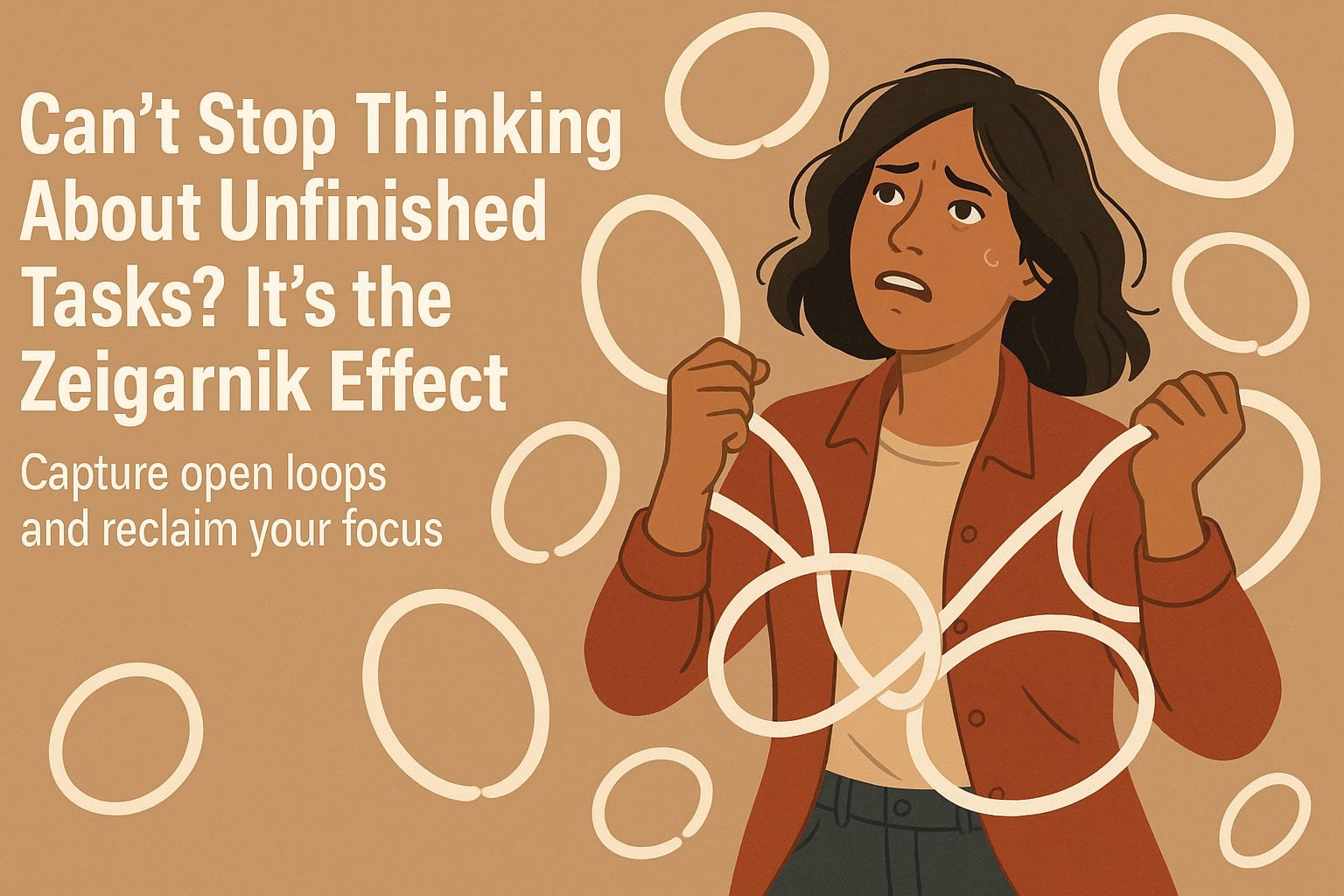
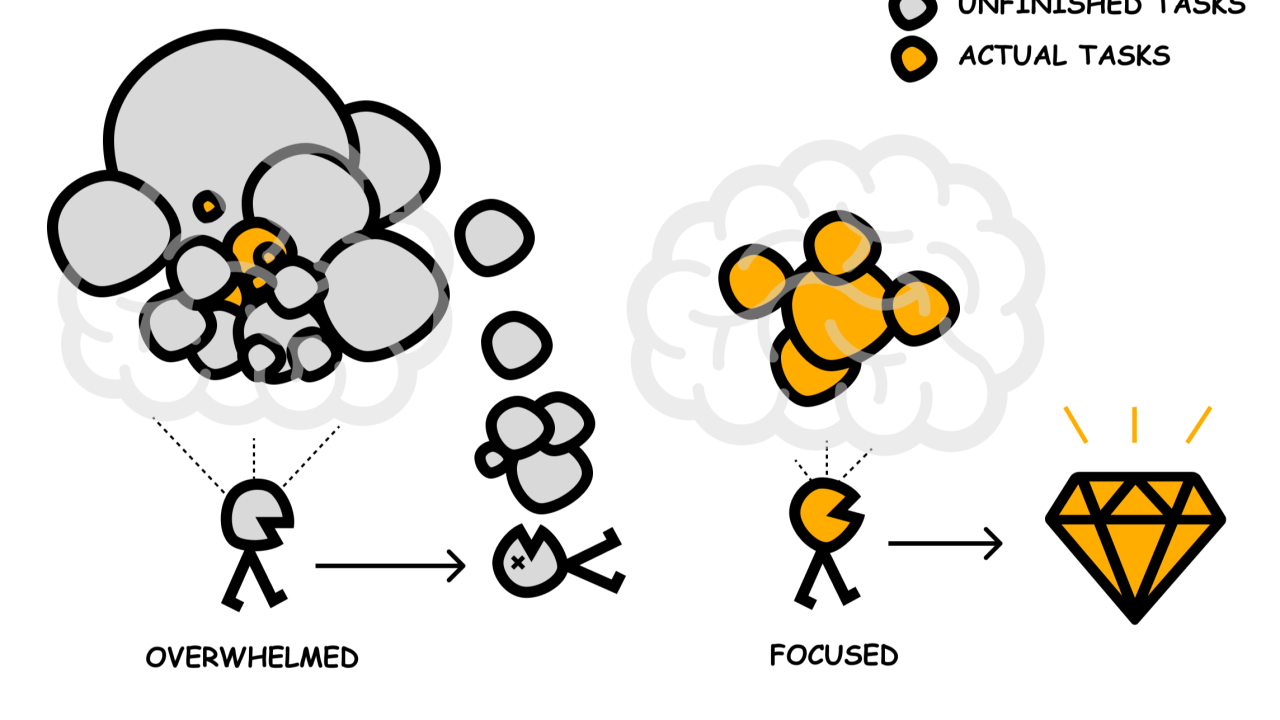
Most people carry a mental list of things left undone—emails unsent, books half-read, projects started but never completed. Psychologists refer to this phenomenon as part of the Zeigarnik Effect, which suggests that unfinished tasks remain more prominent in our memory than completed ones, creating a sense of mental tension and unease. This cognitive “background noise” doesn’t just affect memory—it impacts emotional well-being. Individuals often report increased stress, irritability, or guilt when surrounded by tasks they’ve postponed or avoided. Over time, even minor uncompleted actions can build a silent form of mental clutter that weighs heavily on attention and motivation. One reason unfinished tasks feel so draining is that the brain craves closure. When we begin something, our minds open a kind of internal “loop” that seeks resolution. Without it, we expend energy trying not to forget, delay, or avoid. Ironically, this costs us more focus than simply finishing the task would. However, not all unfinished tasks are negative. In creative work, leaving an idea half-formed can stimulate further thinking and innovation. What matters is intentionality: knowing what we choose to delay—and why—can make the difference between productive pausing and paralyzing procrastination. Strategies like task batching, time-blocking, and breaking tasks into smaller parts can reduce cognitive friction. More importantly, practicing self-compassion and letting go of perfectionism can help individuals release the emotional burden of incompletion. In conclusion, unfinished tasks are not just a productivity issue—they are a psychological experience. By understanding how our minds respond to what’s left open, we can create clarity, reduce stress, and reclaim mental energy.
Micro-Decisions and Identity: Becoming Who You Are, Step by Step
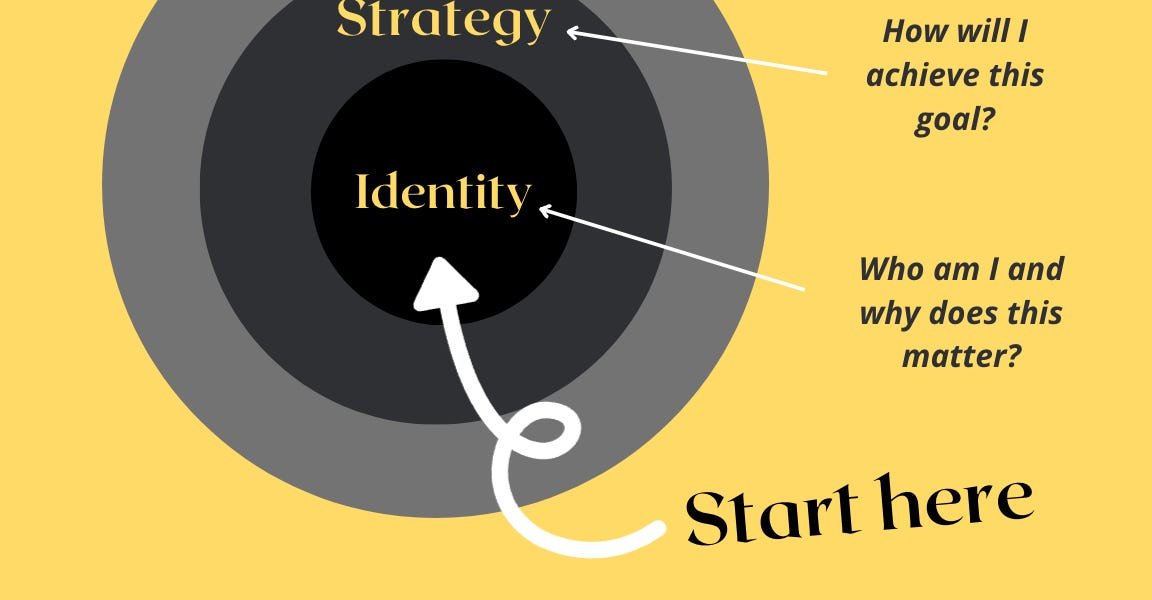
While macro-decisions like choosing a career or ending a relationship define major life chapters, it is the micro-decisions that quietly build our character. Every time we choose to speak kindly, show up on time, avoid distraction, or follow through on a task, we are shaping not just outcomes—but our very sense of self. According to behavioral psychologists, identity is not a fixed trait, but a process reinforced by repeated behaviors. The brain constantly asks: “What kind of person does this?” When we consistently make micro-choices that align with our desired identity—such as “I am someone who reads daily” or “I don’t avoid hard conversations”—we begin to embody those traits. However, micro-decisions can also pull us away from our values. Repeatedly avoiding small responsibilities or choosing short-term comfort over long-term growth can create cognitive dissonance—the internal conflict between who we are and who we want to be. Over time, this tension can lead to low self-esteem, inner frustration, and a sense of being “off-track.” The good news is that change doesn’t require a total life overhaul. Studies in habit formation show that tiny, repeated adjustments—done with awareness—can lead to profound transformation. Starting with just one intentional decision each day (e.g., taking a walk instead of scrolling, drinking water instead of soda, sending a kind message instead of staying silent) can realign us with our core values and restore confidence. In conclusion, micro-decisions are not meaningless—they are the invisible threads weaving our future identity. By honoring them, we take back quiet control over our lives and become, gradually but powerfully, the people we wish to be.
The Psychological Foundations and Benefits of Mindfulness
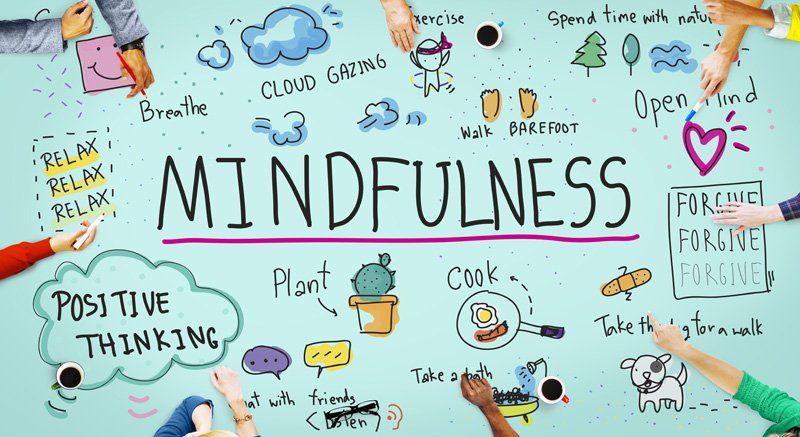
Mindfulness is defined as the psychological process of intentionally bringing one’s attention to experiences occurring in the present moment without judgment. Rooted in ancient contemplative traditions, particularly Buddhism, mindfulness has gained significant attention in contemporary psychology and mental health disciplines due to its therapeutic potential. Recent empirical studies suggest that mindfulness-based interventions (MBIs), such as Mindfulness-Based Stress Reduction (MBSR) and Mindfulness-Based Cognitive Therapy (MBCT), are effective in reducing symptoms of anxiety, depression, and chronic stress. These interventions cultivate awareness and acceptance, enabling individuals to respond to emotional challenges with greater clarity and calmness. Neuroscientific research has also shown that regular mindfulness practice is associated with structural and functional changes in the brain, particularly in areas responsible for emotional regulation, attention, and self-awareness, such as the prefrontal cortex and the anterior cingulate cortex.

What is Post-Traumatic Stress Disorder (PTSD)?

Obsessive-Compulsive Disorder: The Mind That Won’t Let Go
Obsessive-Compulsive Disorder, commonly known as OCD, is more than just a preference for cleanliness or order. It is a serious mental health condition that traps individuals in cycles of unwanted thoughts and repetitive behaviors. These thoughts, known as obsessions, are intrusive and distressing — often irrational, yet impossible to ignore. The behaviors, or compulsions, are acts people feel compelled to perform in an attempt to reduce the anxiety the obsessions cause. For example, a person might wash their hands dozens of times a day due to an overwhelming fear of contamination, even though they logically know it’s excessive. What makes OCD especially painful is that most people with the disorder are fully aware that their thoughts and actions don’t make sense. But knowing doesn’t free them — it often adds to their distress. They may spend hours each day stuck in mental rituals, silently battling invisible forces while appearing perfectly “normal” to others. OCD doesn’t affect only a certain type of person. It can begin in childhood, adolescence, or adulthood, and it reaches across all cultures, backgrounds, and intelligence levels. Many people with OCD are highly functional, often perfectionistic, which can make the condition even harder to detect — and easier to misunderstand. Scientifically, OCD has been linked to differences in brain activity, particularly in regions related to decision-making and emotional regulation. Genetics and life experiences, including trauma or prolonged stress, can contribute to its development. But despite how consuming the disorder can be, it is treatable. Cognitive-behavioral therapy (especially a form called Exposure and Response Prevention), and in some cases medication, have proven highly effective in helping people reclaim control over their lives.
The Psychology of Micro-Decisions: Small Choices, Big Impact
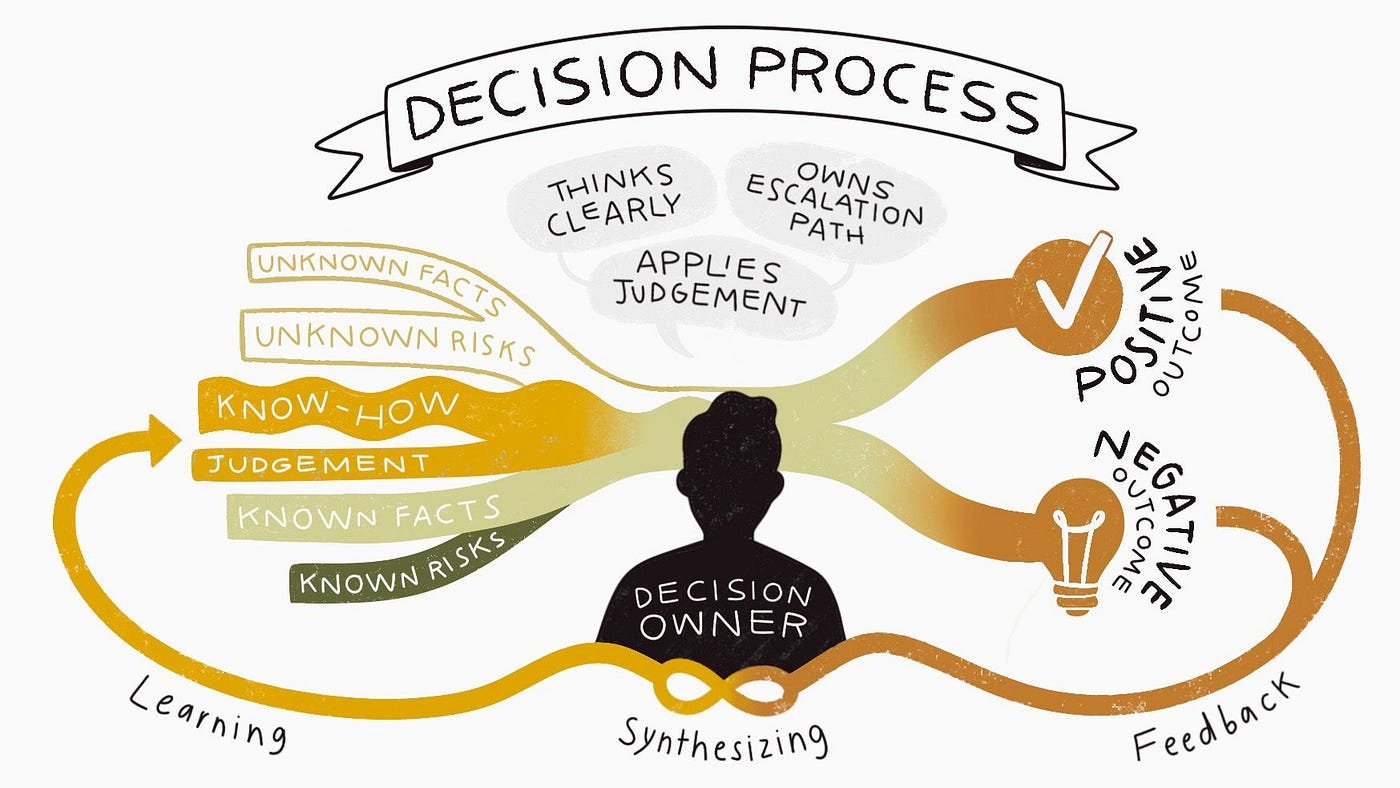
While major life decisions often receive the most attention, research shows that micro-decisions—the small, everyday choices we make without much thought—can significantly influence our habits, identity, and long-term well-being. These include what time we wake up, whether we respond to a message immediately, what we snack on, or how long we scroll on a screen. Though individually minor, their cumulative effect is powerful. Psychologists suggest that micro-decisions often operate below conscious awareness, shaped by environment, emotion, and habit loops. For example, placing a phone on the table during dinner may seem meaningless, but over time it can weaken real-life conversations and relationships. Similarly, choosing to snooze the alarm “just five more minutes” might gradually erode discipline and energy over weeks or months. The key to mastering micro-decisions lies in understanding the concept of choice architecture—how the context in which we make decisions influences the outcome. By slightly redesigning our surroundings or routines (e.g., leaving a book on the nightstand instead of a phone), we can nudge ourselves toward healthier, more intentional behavior. Micro-decisions also reflect our values in action. While we may consciously value health, kindness, or productivity, our smallest daily choices often reveal whether those values are truly guiding us. Aligning micro-behaviors with long-term goals increases life satisfaction and psychological coherence. In conclusion, micro-decisions may appear trivial, but they shape the architecture of daily life. Recognizing and gently reshaping these patterns can lead to meaningful change—one small choice at a time.