

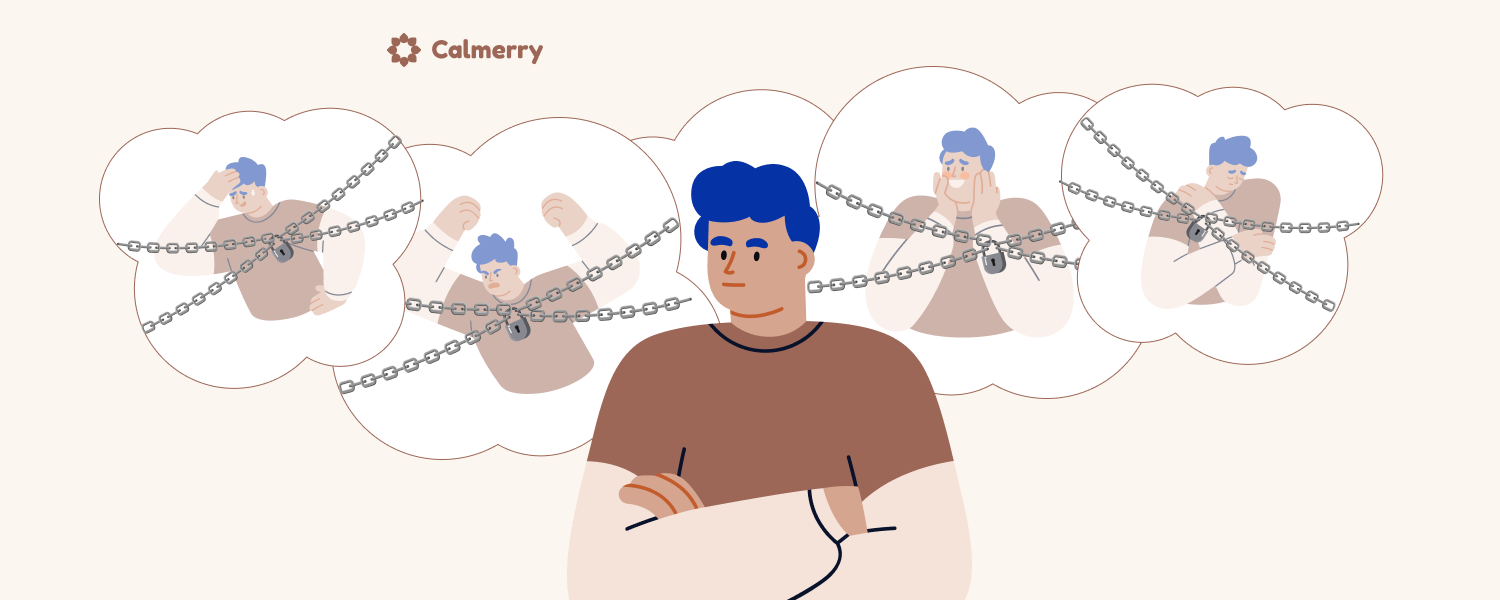
Emotional suppression refers to the conscious or unconscious effort to inhibit the expression of emotions, particularly those deemed socially undesirable or personally uncomfortable. While occasional restraint of emotions can be adaptive—such as remaining calm in a professional setting—chronic emotional suppression has been shown to have significant psychological and physiological costs. From a psychological perspective, suppression is considered a maladaptive emotion regulation strategy. Unlike healthy emotional regulation, which involves recognizing, understanding, and appropriately expressing feelings, suppression pushes emotions out of conscious awareness or blocks their outward expression. Research indicates that suppression does not eliminate the emotion itself; rather, it often intensifies the internal experience, leading to increased stress and tension. Studies have linked habitual emotional suppression with higher levels of anxiety, depression, and interpersonal difficulties. Suppressed emotions tend to surface indirectly, sometimes through irritability, passive-aggressive behavior, or psychosomatic symptoms such as headaches, muscle tension, and fatigue. Moreover, suppression can interfere with authentic social connections, as it limits open communication and emotional intimacy. Cultural and social norms play a significant role in shaping tendencies to suppress emotions. For example, certain societies may stigmatize the open expression of anger, sadness, or vulnerability, especially for specific gender roles. Individuals who internalize these norms may learn to hide or deny their emotions to conform to expectations, often at the expense of their mental health. Emotion regulation research highlights that alternative strategies, such as cognitive reappraisal, mindfulness, and expressive writing, are more effective for long-term psychological well-being. Cognitive reappraisal involves reframing the meaning of an emotional situation to reduce its impact. Mindfulness encourages non-judgmental awareness and acceptance of emotions as they arise, rather than resisting or avoiding them. Therapeutic approaches such as emotion-focused therapy help individuals recognize suppressed emotions and develop healthier ways to process and express them. Creating safe relational environments where emotions are validated also fosters psychological resilience and authentic self-expression. In conclusion, while society often rewards emotional control, the chronic suppression of feelings can create significant inner conflict and undermine mental and physical health. Developing adaptive emotional awareness and expression is essential for psychological balance, healthier relationships, and overall well-being.
The Psychology of Perfectionism
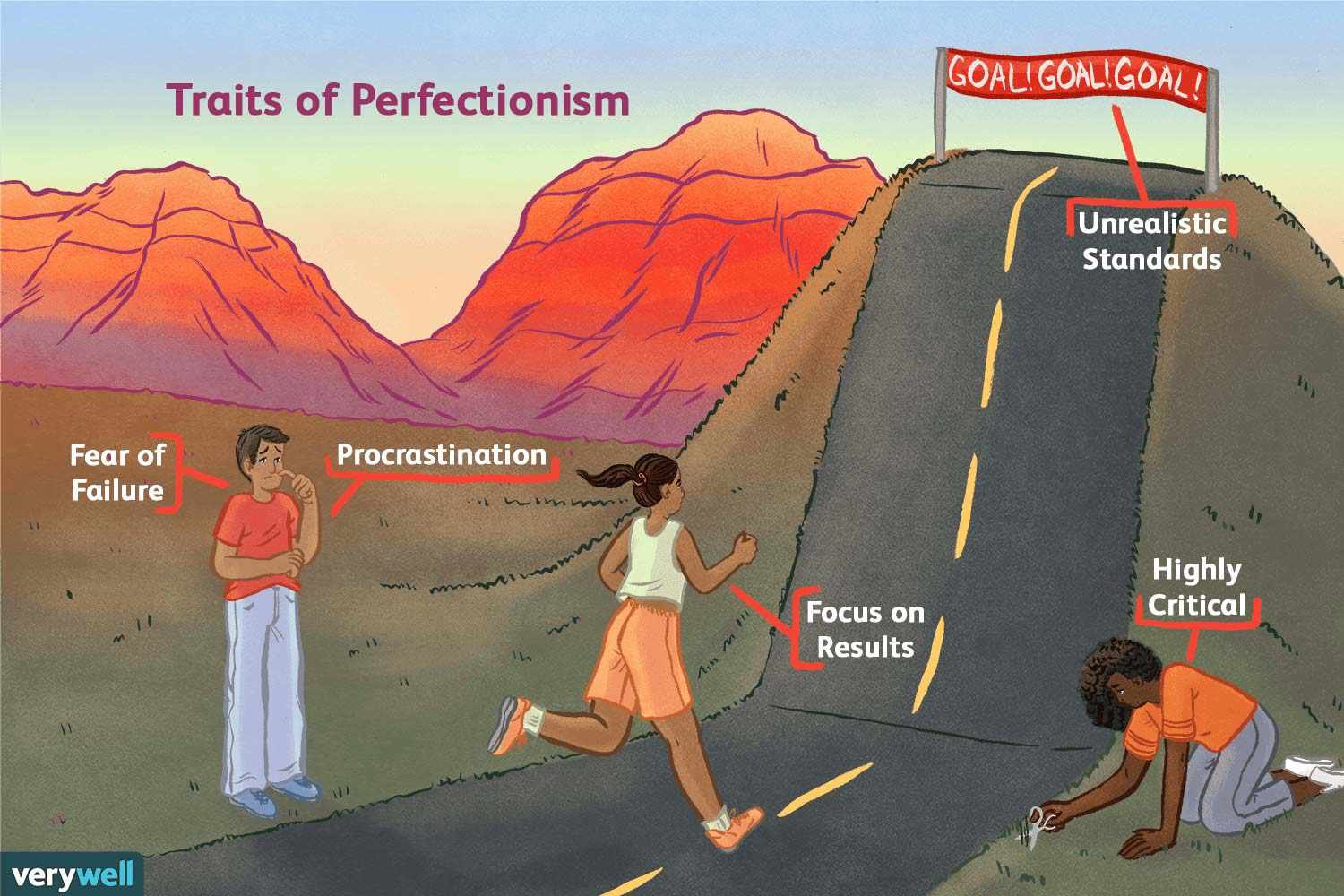
Perfectionism is a multidimensional personality trait characterized by setting excessively high performance standards, accompanied by overly critical self-evaluations and a constant concern over mistakes or imperfections. While the pursuit of excellence can be adaptive and motivating, perfectionism often becomes maladaptive when it interferes with mental health, productivity, and overall well-being. Psychological research distinguishes between adaptive and maladaptive perfectionism. Adaptive perfectionism involves high personal standards and strong motivation to achieve goals, without excessive self-criticism. It is often linked with conscientiousness, effective goal setting, and satisfaction from achievement. In contrast, maladaptive perfectionism combines high standards with fear of failure, chronic self-doubt, and an inability to derive satisfaction from accomplishments, no matter how significant. One theoretical framework explaining perfectionism is the multidimensional perfectionism model, which identifies two main dimensions: self-oriented and socially prescribed perfectionism. Self-oriented perfectionists set unrealistically high standards for themselves, while socially prescribed perfectionists believe that others expect them to be perfect, which increases feelings of pressure and anxiety. Numerous studies have shown that maladaptive perfectionism is associated with a range of psychological difficulties, including anxiety disorders, depression, procrastination, eating disorders, and burnout. The relentless striving for flawlessness often results in chronic stress and can paralyze individuals when they fear that their work will not meet their own or others’ standards. Perfectionism often develops early in life and is influenced by both personality traits and environmental factors such as parental expectations, criticism, or a culture that equates worth with flawless performance. In academic and professional settings, perfectionistic individuals may appear highly competent and driven but internally struggle with fear of failure, harsh self-judgment, and an inability to accept mistakes as part of growth. Addressing maladaptive perfectionism involves cultivating self-compassion and cognitive flexibility. Cognitive-behavioral approaches help individuals identify and challenge unrealistic standards and all-or-nothing thinking patterns. Mindfulness-based practices can reduce over-identification with self-critical thoughts, while setting realistic, flexible goals fosters a healthier sense of achievement. In conclusion, while striving for excellence can promote growth and success, the rigid pursuit of perfection often creates unnecessary psychological suffering. Recognizing the difference between healthy ambition and destructive perfectionism is essential for personal development and mental well-being. Encouraging self-acceptance, realistic expectations, and resilience in the face of mistakes can transform perfectionism from a burden into a balanced drive for meaningful progress.

Procrastination: The Psychology of Putting Things Off
Procrastination is a widespread phenomenon that affects people across cultures, age groups, and professions. Defined as the voluntary delay of an intended task despite expecting negative consequences, procrastination is not simply poor time management—it is a complex psychological behavior linked to motivation, self-regulation, and emotional factors. Research indicates that procrastination is often driven by the tendency to avoid tasks that are perceived as unpleasant, challenging, or anxiety-provoking. Instead of addressing the source of discomfort, individuals choose short-term mood repair by seeking distractions or more immediately gratifying activities. While this avoidance provides temporary relief, it usually results in increased stress, guilt, and lower performance later on. Several psychological theories explain why people procrastinate. One influential perspective is the Temporal Motivation Theory, which suggests that procrastination occurs when a task’s rewards are distant and its perceived difficulty is high. This gap between present effort and future benefit reduces motivation, making it easier to opt for immediate pleasures instead. Personality traits such as low conscientiousness and high impulsivity are also associated with chronic procrastination. Furthermore, perfectionism paradoxically contributes to procrastination: individuals with unrealistically high standards may delay starting a task for fear they cannot complete it perfectly. Procrastination has significant negative effects on mental health and well-being. Chronic procrastinators report higher levels of stress, anxiety, and even depression. In academic and workplace settings, procrastination undermines productivity and can limit career advancement. Addressing procrastination involves strategies that target both the behavioral and emotional roots of delay. Evidence-based approaches include breaking large tasks into smaller, manageable parts, using time management techniques like the Pomodoro method, and setting specific deadlines. Cognitive-behavioral interventions help individuals challenge irrational beliefs and reframe their attitudes toward tasks and outcomes. Additionally, cultivating self-compassion has been shown to reduce procrastination by alleviating the harsh self-criticism that often fuels avoidance. In summary, procrastination is not merely a habit of laziness but a complex interplay of cognitive, emotional, and motivational factors. By understanding its underlying mechanisms and applying practical interventions, individuals can develop healthier work habits and improve their overall psychological well-being.
Personal Development: An Academic Overview
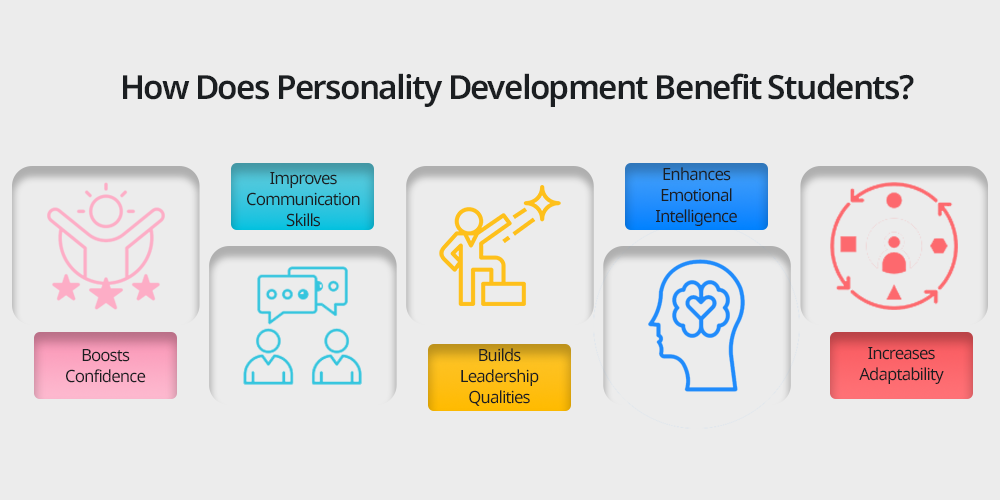
Personal development is a broad and interdisciplinary concept that refers to the conscious pursuit of growth in various aspects of an individual’s life, including psychological, emotional, intellectual, and social domains. Although the term is widely used in self-help literature, its scientific foundation is deeply rooted in psychology, educational theory, and organizational behavior. One of the earliest and most influential frameworks connected to personal development is Abraham Maslow’s Hierarchy of Needs. According to Maslow, once physiological and safety needs are satisfied, humans are motivated by higher-order needs such as belonging, esteem, and ultimately, self-actualization—the realization of one’s full potential. This idea laid the groundwork for modern theories about how people strive for meaning, competence, and personal fulfillment. Research in cognitive and positive psychology has further expanded the understanding of personal development. Concepts such as growth mindset, introduced by Carol Dweck, emphasize that abilities and intelligence can be cultivated through dedication and effort rather than being fixed traits. This perspective contrasts with a fixed mindset, which assumes that talent alone determines success. Studies demonstrate that individuals with a growth mindset are more likely to embrace challenges, persist through obstacles, and learn from criticism, all of which are vital components of personal development. Another central aspect of personal growth is self-reflection, which involves the active examination of one’s thoughts, behaviors, and emotions. Self-reflection enables individuals to gain insight into their strengths and weaknesses and to make informed choices about how to improve. Metacognitive practices such as journaling, mindfulness meditation, and constructive feedback are common tools that support this process. In organizational contexts, personal development is closely linked to career advancement, leadership, and employee well-being. Many modern workplaces encourage continuous learning, goal setting, and skill development through training programs and mentorship. These initiatives not only enhance individual performance but also contribute to organizational success by fostering motivation and job satisfaction. Moreover, research underscores the importance of self-compassion in sustainable personal growth. While self-discipline and high standards can drive performance, excessive self-criticism often undermines motivation and increases stress. Individuals who practice self-compassion are more resilient, adapt better to setbacks, and maintain a healthier balance between ambition and well-being. In conclusion, personal development is not a one-time event but an ongoing, dynamic process that requires conscious effort, self-awareness, and supportive environments. Grounded in robust psychological theories and enriched by practical tools, it remains a vital field for individuals seeking to navigate the complexities of modern life while striving toward their highest potential.

The Psychology of Regret: Learning from What Might Have Been
Regret is a complex emotion that arises when we compare what actually happened with what could have happened if we had acted differently. Unlike guilt, which focuses on moral wrongdoing, regret is about wishing we had made another choice — large or small. Psychologically, regret is rooted in counterfactual thinking: imagining alternative outcomes and comparing them to reality. This mental process can serve an important purpose. When handled well, regret helps us learn from past mistakes, refine our future decisions, and clarify what truly matters to us. However, regret can easily become corrosive when people dwell on “what if” scenarios they can no longer change. Persistent regret fuels self-criticism, shame, and rumination, which drain mental energy and make it harder to move forward. For some, regret can even lead to anxiety or depression, especially if it’s linked to major life choices — like career paths, relationships, or missed opportunities. Interestingly, studies show that people tend to regret inaction more than action over the long term. Things we didn’t try often feel worse than things we did and failed at. This pattern highlights how regret can reveal our deeper values and unlived possibilities. Working through regret requires self-compassion and a realistic view of the past. People can reframe regret as evidence of growth — a sign they now see what they didn’t before. Reflection, writing, and talking openly with trusted others can help transform regret from a painful burden into a meaningful teacher. In conclusion, regret is not just a negative emotion but a complex signal about our choices, desires, and values. When understood and accepted, it can guide us toward wiser decisions and a more intentional life.

The Psychology of Rumination: When Thinking Becomes a Trap
Rumination is the psychological process of repeatedly thinking about the same thoughts—often negative or distressing—without finding a solution. Unlike healthy reflection, rumination traps the mind in a loop, amplifying stress, anxiety, and even depression. People who ruminate tend to replay past mistakes, worries about the future, or hypothetical “what if” scenarios. While they often believe that overthinking will lead to insight or control, research shows the opposite: rumination rarely produces new answers and instead deepens emotional discomfort. Rumination is common among individuals with high self-criticism and perfectionistic tendencies. It can also be a coping mechanism to avoid taking action. For example, someone may ruminate about a conflict instead of directly communicating or making a decision. Psychologically, rumination is linked to cognitive rigidity—the inability to shift mental focus. This is why breaking the cycle requires conscious intervention. Techniques like mindfulness, cognitive reframing, and structured problem-solving help redirect attention to the present moment and practical steps. Importantly, rumination often masquerades as “problem-solving,” but true problem-solving includes action. Understanding this difference helps people recognize when thinking has become counterproductive. In conclusion, rumination is not simply overthinking—it is a mental trap that drains energy and steals peace of mind. By learning to spot the early signs of rumination and responding with awareness and self-compassion, individuals can free themselves from unproductive thought cycles and regain mental clarity.
Impostor Syndrome: The Hidden Doubt Behind Success
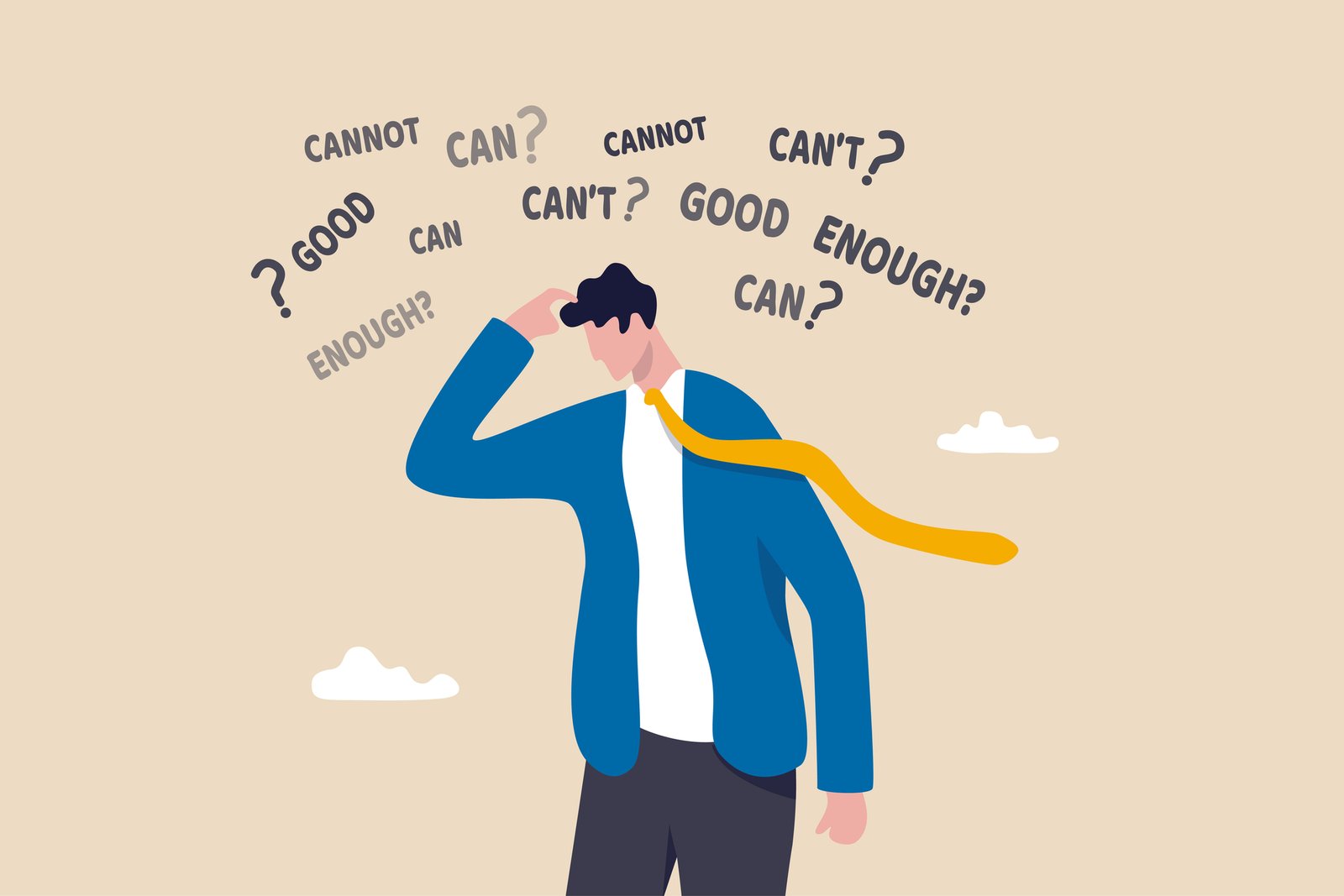
Impostor Syndrome is a psychological pattern where capable and accomplished individuals persistently doubt their skills, talents, or achievements. Despite external evidence of competence, they fear being exposed as a “fraud.” This internal conflict often coexists with high performance, making it invisible to others but deeply exhausting for the person experiencing it. Impostor feelings can manifest as thoughts like: “I don’t deserve this promotion,” “They will find out I’m not really that good,” or “I was just lucky, not talented.” These beliefs generate chronic self-criticism, perfectionism, and a reluctance to accept praise. Originally identified in high-achieving women in the 1970s, Impostor Syndrome is now known to affect people across gender, age, and profession. Students, early-career professionals, creatives, and minorities in underrepresented fields are especially vulnerable, often because of cultural or social pressures that amplify self-doubt. Left unchecked, this mindset can lead to anxiety, burnout, and missed opportunities. Ironically, those with Impostor Syndrome often overwork to “prove themselves,” which can reinforce external success while deepening internal doubt. Overcoming Impostor Syndrome requires more than boosting self-esteem. It involves recognizing that feelings are not facts, normalizing occasional self-doubt, and sharing these experiences openly. Mentorship, peer support, and reframing success as a learning journey rather than flawless performance can help reduce its impact. In conclusion, Impostor Syndrome reveals how even success can trigger inner conflict when self-worth and external recognition are misaligned. By understanding and challenging this pattern, individuals can learn to own their competence with greater confidence and self-compassion.

Role Conflict: Navigating Contradictory Expectations
Role conflict occurs when an individual faces incompatible demands attached to different social roles they occupy. Each person plays multiple roles—such as employee, parent, partner, student, friend—and these roles come with specific expectations and responsibilities. When these expectations clash, they create psychological tension and stress. There are two main types of role conflict: Role conflict is common in modern life due to the blurring of boundaries between work and personal spheres, especially with remote work and constant connectivity. Social norms and cultural expectations can intensify this conflict, particularly for individuals balancing traditional and modern role expectations—such as working mothers or caregivers for elderly family members. Unresolved role conflict can lead to stress, burnout, job dissatisfaction, strained relationships, and feelings of guilt or inadequacy. Over time, it can affect a person’s identity and sense of purpose. Coping with role conflict requires clear communication, boundary setting, and realistic prioritization. Organizations and families can reduce conflict by supporting flexible arrangements, encouraging dialogue, and recognizing the human limits of multitasking. On a personal level, individuals benefit from aligning roles with core values and accepting that perfection across all roles is unrealistic. In conclusion, role conflict is a normal but challenging aspect of social life. Understanding it—and addressing it consciously—can help people navigate their multiple identities with more balance, integrity, and well-being.

Inner Conflict: The Silent Struggle Within
Inner conflict is a psychological state in which a person experiences tension between competing desires, beliefs, or goals. Unlike external conflicts, which are visible and often negotiable, inner conflict is subtle and deeply personal. It can affect decision-making, relationships, and overall well-being. Inner conflict often arises when core values or long-term goals clash with immediate wants or fears. For example, someone may value honesty yet feel tempted to hide the truth to avoid hurting another person. Or they may desire career success but resist opportunities due to fear of failure or self-doubt. Psychologists identify different types of inner conflict: Left unresolved, inner conflicts can lead to procrastination, indecision, guilt, and anxiety. Over time, they may drain mental energy and hinder a person’s sense of direction and self-trust. Resolving inner conflict requires self-awareness and honest reflection. Techniques such as journaling, cognitive behavioral strategies, or speaking with a therapist can help individuals clarify what they truly value and why certain fears or doubts persist. Sometimes, conflict cannot be perfectly “solved,” but understanding it reduces its power and creates space for conscious choice. In conclusion, inner conflict is not a sign of weakness but a sign of being human. By facing it openly and compassionately, individuals can make clearer decisions, strengthen their identity, and live with greater integrity.

The Pressure to Be ‘Fine’: Emotional Masking in Modern Society
In a world obsessed with appearing composed, successful, and unbothered, there exists an unspoken rule: always say you’re “fine.” Whether at work, on social media, or even among close friends, many people feel pressured to suppress their genuine emotions in favor of socially acceptable calm. This tendency is known as emotional masking—the act of concealing one’s true feelings to avoid discomfort, vulnerability, or judgment. Emotional masking is often mistaken for resilience. Society praises those who remain “strong” in adversity, yet rarely asks what that strength is costing them. When individuals habitually respond with “I’m okay” or force a smile despite inner turmoil, they disconnect from their own emotional truth. Over time, this can lead to increased anxiety, emotional exhaustion, and even a weakened sense of identity. What makes this phenomenon more complex is that it’s culturally reinforced. Social norms reward emotional self-control and penalize open expression of sadness, fear, or anger. Digital platforms amplify this, showcasing polished lives while hiding the struggles beneath. In this environment, vulnerability becomes risky, and honesty is replaced by performance. The irony is that emotional authenticity—naming and sharing real feelings—is what fosters genuine connection and psychological relief. When people allow themselves to be seen as they truly are, they give others permission to do the same. This creates emotionally safe spaces, reduces isolation, and promotes mental well-being. It’s not weakness to say you’re not okay. It’s a radical act of courage in a culture that demands your smile more than your truth. In rejecting the pressure to be “fine,” we begin the work of becoming whole.