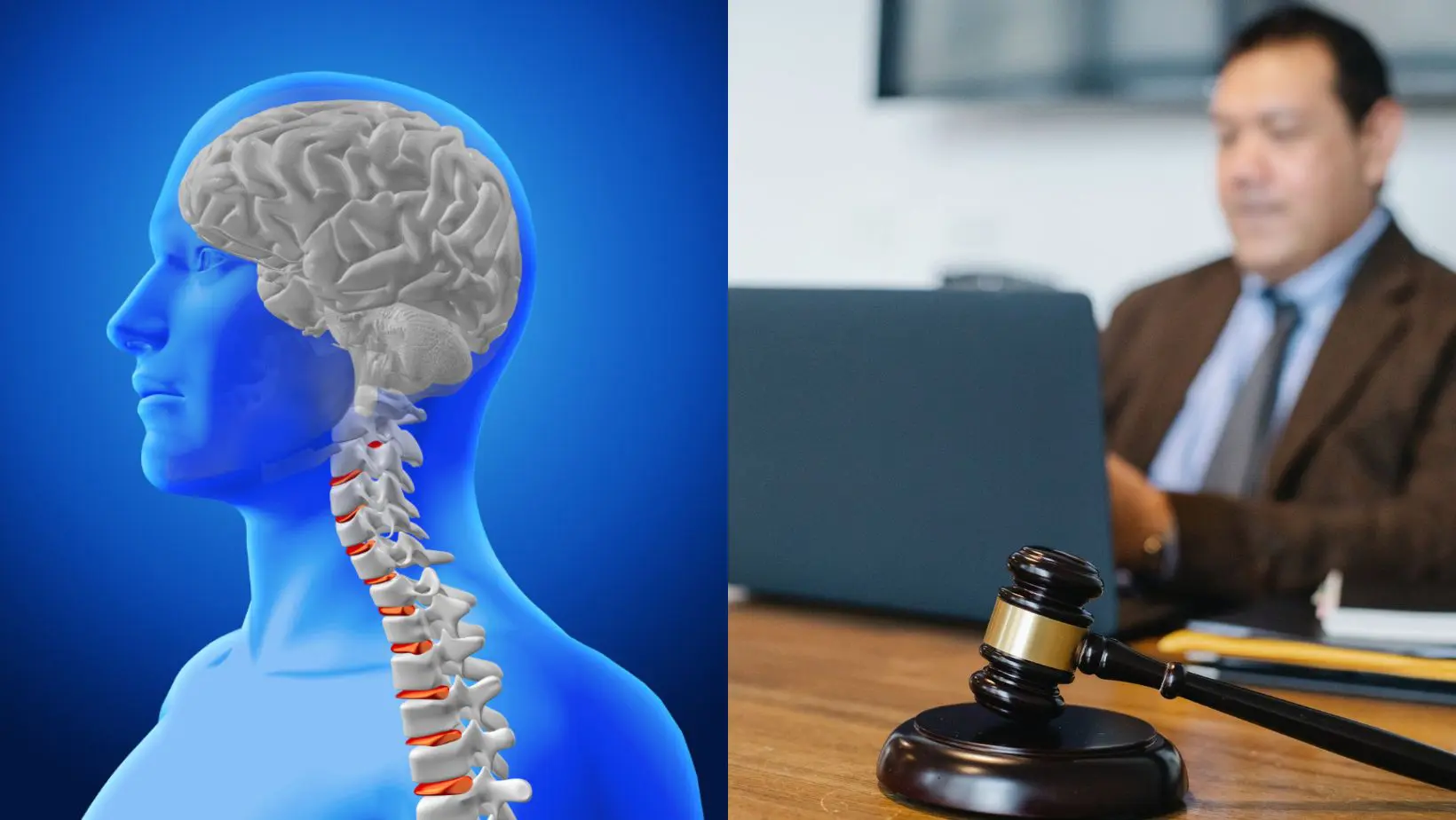
A brain injury is often associated with obvious physical consequences such as weakness, difficulty walking, headaches, dizziness, or problems with coordination. However, some of the most profound consequences may be less visible. A person can experience significant changes in emotional regulation, motivation, judgment, communication, or social behavior after an injury to the brain. In some cases, relatives describe the individual as “a different person.” This raises an important neurological question: how can damage to the brain influence personality?
Personality is not controlled by a single area of the brain. It emerges from the interaction of multiple neural systems involved in emotion, motivation, memory, decision-making, impulse control, social understanding, and self-awareness. When a brain injury disrupts these systems, the person’s behavior may change even though their identity, memories, and physical appearance remain relatively similar.
Traumatic brain injury can occur after falls, traffic accidents, sports injuries, physical violence, workplace accidents, or other events that cause the brain to move or strike against the skull. The consequences vary enormously. Some injuries are mild and produce temporary symptoms, while severe injuries can cause long-lasting neurological changes.
One of the brain regions particularly associated with personality and behavior is the prefrontal cortex. Located toward the front of the brain, it participates in planning, decision-making, impulse control, emotional regulation, attention, and the evaluation of consequences. It does not work alone, but its connections with other brain regions are essential for socially appropriate behavior.
Damage to the frontal regions can therefore produce unusual behavioral changes. A person who was previously cautious may become impulsive. Someone who was patient may become easily irritated. Another individual may lose motivation or become emotionally indifferent. These changes are not necessarily deliberate choices; they may reflect altered neural regulation.
One classic example in the history of neuroscience is the case of Phineas Gage. In the nineteenth century, Gage survived a severe accident in which an iron rod passed through his skull and damaged parts of his frontal brain. Historical accounts describe changes in his behavior and personality afterward. Although later popular descriptions of his personality may have been exaggerated, his case became influential in neuroscience because it demonstrated that damage to particular brain regions could profoundly affect behavior.
Modern neuroscience has developed a much more sophisticated understanding of these processes. Personality changes after brain injury cannot usually be attributed to one isolated brain region. Instead, they may result from disruption of interconnected networks.
The frontal-subcortical circuits are especially important. These networks connect frontal cortical regions with deeper structures such as the basal ganglia and thalamus. They participate in motivation, emotional regulation, cognitive flexibility, and behavioral control. Injury affecting these networks can therefore produce changes that are difficult to explain through a simple “one region, one function” model.
One common change after brain injury is impulsivity. A person may act before considering consequences, interrupt conversations, spend money irresponsibly, or make inappropriate comments. Before the injury, they may have been careful and socially restrained. Afterward, the ability to inhibit immediate responses may be reduced.
This can be extremely difficult for families. Relatives may initially interpret impulsive behavior as intentional disrespect or selfishness. They may ask why the person “does not simply control themselves.” However, neurological damage can reduce the brain’s ability to regulate impulses. Understanding this distinction is essential for appropriate rehabilitation and support.
Another possible change is irritability. A person may become angry over relatively minor events, react more intensely to frustration, or have difficulty calming down after becoming upset. This can be influenced by neurological changes, pain, fatigue, sleep disturbances, medication effects, and the psychological consequences of losing previous abilities.
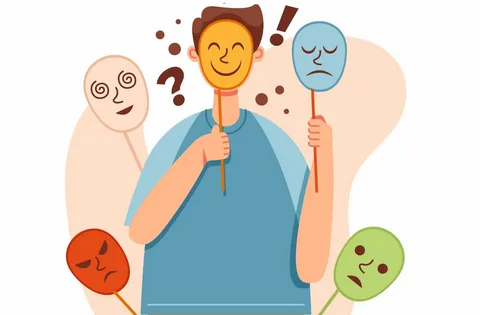
Emotional regulation can therefore become less stable. Someone may cry unexpectedly, laugh at inappropriate moments, or shift rapidly between emotional states. Such changes do not necessarily indicate that the person has fundamentally changed their values or feelings. Instead, their ability to regulate emotional expression may have been altered.
The opposite pattern can also occur. Some people develop emotional blunting or apathy. They may appear less interested in activities, relationships, or goals that were previously important. Family members may interpret this as laziness or lack of caring, but neurological injury can interfere with motivation systems.
Apathy is particularly challenging because it can affect rehabilitation itself. Recovery often requires repeated exercises, therapy sessions, and active participation. If the person has reduced initiation or motivation, they may struggle to engage even when they understand intellectually that rehabilitation is important.
Executive functioning can also be affected. Executive functions include planning, organizing, monitoring behavior, solving problems, shifting between tasks, and considering future consequences. A person may remember information correctly but struggle to use it effectively in daily life.
For example, someone may know that they need to take medication at a particular time but repeatedly fail to organize the necessary steps. They may understand a household task but become overwhelmed when several steps must be completed in sequence. These difficulties can be mistaken for carelessness.
Brain injury can also affect social cognition. Social cognition involves understanding other people’s emotions, intentions, expectations, and perspectives. Damage to relevant neural networks may cause someone to misinterpret social cues or fail to recognize when their behavior is inappropriate.
A person may speak too loudly, stand too close to others, make insensitive comments, or fail to notice that another individual is uncomfortable. They may not understand why others react negatively. This can lead to social isolation.
Language changes can further complicate personality and relationships. Some individuals develop difficulty finding words, producing speech, understanding language, or organizing complex communication. Frustration caused by communication difficulties can contribute to irritability and withdrawal.
Memory problems can also indirectly influence personality. Imagine a person who repeatedly forgets conversations. Family members may become frustrated and the individual may become defensive because they do not understand why others are upset. Repeated misunderstandings can gradually change family dynamics.
Fatigue is another major factor. Brain injury can make ordinary cognitive activities unusually exhausting. Concentrating on a conversation, reading, planning a journey, or working for an extended period may require significantly more mental energy than before. When exhausted, the individual may become irritable, withdrawn, or less emotionally controlled.
Sleep disturbances are common after brain injury as well. Difficulty falling asleep, excessive daytime sleepiness, or changes in sleep patterns can worsen attention and emotional regulation. A person may therefore appear psychologically different partly because their brain is not receiving adequate restorative sleep.
Pain should also be considered. Persistent headaches or other pain can reduce patience and concentration. Chronic discomfort can affect mood and social behavior even without direct changes to personality networks.
The psychological response to disability is another important factor. Brain injury can suddenly change a person’s independence, career, relationships, finances, or physical abilities. A previously active individual may suddenly require assistance with ordinary tasks. Such changes can produce grief, anger, anxiety, or depression.
Therefore, not every behavioral change after brain injury is caused directly by neurological damage. Some changes are psychological reactions to what happened. In many cases, neurological and psychological factors interact.
Depression after brain injury can resemble apathy. A person may lose interest in activities, withdraw socially, experience low motivation, or sleep excessively. However, depression usually involves additional emotional symptoms such as persistent sadness, hopelessness, guilt, or negative self-evaluation. Careful clinical assessment is necessary to distinguish these possibilities.
Anxiety can also develop after injury. The person may fear another accident, worry about permanent disability, or become anxious in situations that remind them of the injury. Avoidance may then restrict their daily life.
Personality changes can be especially difficult for spouses. The relationship may have been based on a particular pattern of communication, responsibility, and emotional support. When one partner changes after brain injury, the other may experience grief for the relationship as it existed before.
This does not mean that the relationship cannot continue. However, expectations may need to change. Families may need to learn new communication strategies, recognize triggers, establish routines, and distinguish neurological symptoms from intentional behavior.
Education is therefore a major component of rehabilitation. Family members who understand why a person behaves differently are better able to respond appropriately. Instead of interpreting every outburst as a moral failure, they can recognize possible neurological limitations.
Rehabilitation is usually multidisciplinary. Depending on the individual’s difficulties, treatment may involve neurologists, rehabilitation physicians, neuropsychologists, speech-language therapists, occupational therapists, physiotherapists, psychologists, and other specialists.
Neuropsychological assessment can be particularly useful. It evaluates memory, attention, executive functioning, language, processing speed, emotional functioning, and other cognitive abilities. The results can help identify strengths and weaknesses that may not be obvious during ordinary conversation.
Occupational therapy can help individuals regain practical skills needed for daily life. Therapists may develop strategies for organizing tasks, managing time, remembering appointments, and reducing environmental distractions.
Speech-language therapy is not limited to pronunciation. It can address language, cognitive communication, memory strategies, attention, and social communication. This can be important when personality changes are partly related to communication difficulties.
Psychological treatment can also help individuals adapt emotionally. Therapy may address grief, identity changes, frustration, anxiety, depression, and relationship difficulties. The goal is not simply to return to the exact personality that existed before the injury but to help the individual develop the best possible functioning within their new circumstances.
Medication may sometimes be used to manage specific symptoms such as depression, anxiety, sleep problems, severe agitation, or other neurological or psychiatric complications. Medication selection depends on the individual’s symptoms and medical condition and should be supervised by an appropriate clinician.
Recovery after brain injury is highly variable. Some individuals improve substantially during the first weeks and months, while others experience gradual changes over a longer period. Recovery depends on factors including the severity and location of the injury, age, general health, rehabilitation, social support, and individual neurological differences.
The brain’s ability to reorganize itself, known as neuroplasticity, plays an important role in recovery. Surviving neural networks can sometimes adapt, strengthen alternative pathways, and support functions that were affected by injury. Rehabilitation attempts to take advantage of this capacity through repeated, structured practice.
Neuroplasticity does not mean that the brain can always completely repair itself. Severe injuries may produce permanent disabilities. However, the nervous system is more adaptable than was historically believed, and meaningful improvement can occur even when complete recovery is not possible.
One of the most important psychological challenges is identity. If a person’s behavior changes significantly, they may ask themselves, “Who am I now?” Family members may have a similar question. The individual may feel that their previous personality has disappeared.
Identity after brain injury is therefore not simply a neurological issue. It is also philosophical and psychological. Personality consists of memories, values, habits, emotional tendencies, relationships, goals, and behavior. When some of these change, the person may need time to reconstruct a sense of continuity.
Some individuals experience grief for their former abilities. They may remember how easily they worked, studied, drove, socialized, or managed daily tasks before the injury. Comparing current functioning with the past can become emotionally painful.
A healthier approach often involves recognizing both continuity and change. The person may have changed, but they have not necessarily lost everything that made them themselves. Relationships, memories, values, preferences, and personal history can remain important foundations for rebuilding identity.
Brain injury can also change family roles. Someone who previously provided financial support may become dependent on relatives. A parent may require assistance from their children. A spouse may become a caregiver. These changes can create stress, resentment, guilt, and exhaustion.
Caregiver burden is an important issue in neurological rehabilitation. Families may need psychological support themselves. Supporting a person with a brain injury can be physically and emotionally demanding, especially when behavioral symptoms are unpredictable.
Safety may also become a concern when impulsivity or poor judgment is severe. Individuals may attempt dangerous activities, drive when it is unsafe, misuse money, or fail to recognize risks. Appropriate supervision and professional assessment may therefore be necessary in certain cases.
At the same time, excessive restriction can reduce independence. Rehabilitation should ideally balance safety with autonomy. Treating an adult as incapable of making any decisions can damage confidence and motivation. The goal should be to support independence wherever possible while reducing serious risks.
Brain injury also demonstrates why personality cannot be separated completely from neuroscience. Traits that people often consider purely psychological—patience, inhibition, motivation, emotional regulation, social judgment—depend partly on the functioning of complex neural networks.
This does not mean that personality is determined entirely by the brain. Human behavior is influenced by biology, experiences, relationships, culture, learning, and environment. Brain injury provides a particularly clear example of how biological changes can alter psychological functioning.
The effects can also be subtle. Not every person with brain injury becomes dramatically different. Some may appear physically recovered while experiencing difficulties with concentration, emotional regulation, or decision-making. These “invisible” symptoms can be among the most challenging because other people may not recognize them.
A person may therefore hear statements such as “You look completely fine” while struggling significantly internally. Lack of understanding can increase frustration and social isolation.
Awareness of these hidden consequences is important not only for families but also for workplaces and communities. Appropriate accommodations, flexible schedules, reduced distractions, and realistic expectations can help individuals return to productive roles.
Ultimately, brain injury does not simply damage movement or memory. Depending on the affected networks, it can alter the way a person experiences emotions, controls impulses, evaluates consequences, communicates, and interacts with other people. These changes can be frightening for both the individual and their family.
In conclusion, personality changes after brain injury demonstrate the extraordinary relationship between the nervous system and human behavior. Brain regions and networks involved in decision-making, emotional regulation, motivation, social understanding, and inhibition can be disrupted by trauma or other neurological damage. The resulting changes may appear as impulsivity, irritability, apathy, emotional instability, poor judgment, or altered social behavior. These symptoms are not necessarily deliberate and should not automatically be interpreted as moral or personal failures. With neurological assessment, neuropsychological evaluation, rehabilitation, psychological support, and appropriate family education, many individuals can develop new strategies for functioning and regain significant independence. Brain injury may change a person’s behavior, but it does not erase their humanity, history, or capacity for adaptation.