Spirituality is a complex aspect of human experience that influences how individuals understand themselves, interpret life events, and search for meaning. For some people, spirituality is connected to religious beliefs and practices. For others, it involves personal reflection, a sense of connection with nature, moral values, or the search for a deeper purpose in life. Although spirituality can take different forms, it often reflects a fundamental human desire to understand existence and find meaning beyond everyday responsibilities.
From a psychological perspective, spirituality is particularly interesting because it can influence emotional experiences, personal identity, relationships, and coping strategies. People frequently turn toward spiritual beliefs during periods of uncertainty, loss, disappointment, or major life transitions. When familiar explanations are no longer sufficient, individuals may begin asking questions about suffering, purpose, responsibility, and the meaning of their experiences. These questions are not necessarily signs of psychological difficulty. They can also represent an important part of personal development.
The relationship between spirituality and psychology has been explored by several influential thinkers. William James, one of the founders of modern psychology, examined religious and spiritual experiences in his work The Varieties of Religious Experience. He was interested in how such experiences influenced individual consciousness, emotions, and behavior. Rather than considering spirituality only as a collection of doctrines, James examined the personal experiences through which individuals understood their relationship with something greater than themselves.
Another important figure was Viktor Frankl, whose psychological approach emphasized the human search for meaning. In Man’s Search for Meaning, Frankl argued that the search for meaning can remain important even under extremely difficult circumstances. His work suggests that people may find purpose through meaningful work, relationships, personal responsibility, and the attitudes they develop toward unavoidable suffering. Although his ideas do not mean that every painful experience has a hidden purpose, they highlight the importance of meaning in human psychological life.
Spirituality can also be understood through the concept of personal identity. Individuals often define themselves through their professions, family roles, achievements, and social relationships. However, these external roles do not always answer deeper questions about who they are. A person may have a successful career and a stable family life while still experiencing a sense of emptiness or uncertainty. Such experiences can encourage individuals to examine their priorities and reconsider what gives their lives significance.
This process is closely connected to Self-Awareness. Understanding personal values, emotional needs, beliefs, and motivations can help individuals recognize whether their daily lives reflect what they genuinely consider important. For example, someone who spends most of their time pursuing professional recognition may gradually realize that meaningful relationships and personal growth are more important to their overall sense of satisfaction. Spiritual reflection can provide an opportunity to examine these priorities.
Another important psychological dimension of spirituality is the search for meaning. Human beings do not simply experience events; they also attempt to interpret them. A difficult experience may be understood as a failure, an injustice, a lesson, or a turning point. These interpretations influence how individuals respond emotionally and behaviorally. Spiritual beliefs may provide a framework through which people understand uncertainty and maintain a sense of direction during challenging periods.
However, the search for meaning does not always produce immediate answers. Some individuals experience periods in which their previous beliefs no longer feel convincing. They may question ideas that once provided comfort or become uncertain about their future direction. This experience can be emotionally uncomfortable, but questioning established beliefs does not necessarily mean that a person has lost their values. It may represent a process of examining beliefs more carefully and developing a more personal understanding of life.
Spirituality may also contribute to emotional well-being by providing a sense of hope and connection. Individuals who feel connected to a religious community, a personal philosophy, or a broader sense of existence may experience greater emotional support during difficult circumstances. Shared rituals, reflection, prayer, meditation, and meaningful conversations can create opportunities for emotional expression and social connection.
Nevertheless, the psychological effects of spirituality are not identical for everyone. Some people find comfort in religious practices, while others experience spirituality through nature, art, philosophy, or personal reflection. A spiritual practice that provides support to one individual may not have the same meaning for another. Therefore, spirituality should not be treated as a universal solution to emotional difficulties.
One area in which spirituality becomes particularly relevant is the experience of suffering. Human life inevitably includes disappointment, illness, separation, uncertainty, and loss. These experiences can challenge an individual’s assumptions about fairness, security, and control. Spiritual beliefs may help some people interpret suffering within a broader framework, allowing them to maintain hope and continue pursuing meaningful goals.
At the same time, it is important to avoid suggesting that suffering is always necessary for personal growth. Painful experiences do not automatically make people wiser, stronger, or more compassionate. Some experiences can produce lasting psychological difficulties and require professional support. Acknowledging suffering does not mean romanticizing it. Spirituality can provide comfort, but it should never be used to blame individuals for their difficulties or discourage them from seeking appropriate help.
The connection between spirituality and Emotional Regulation is another interesting subject. Certain spiritual practices, such as meditation, prayer, and mindful reflection, may help individuals slow down their reactions and become more attentive to their emotional experiences. These practices can create opportunities to observe thoughts without immediately acting on them. For example, a person who feels overwhelmed by anger may use a period of quiet reflection to understand the source of the emotion before deciding how to respond.
However, spiritual practices should not become methods of avoiding difficult emotions. Some individuals may believe that experiencing anger, sadness, jealousy, or fear indicates a lack of spiritual development. This belief can lead to emotional suppression rather than genuine understanding. Psychological well-being does not require people to remain peaceful at all times. It involves recognizing emotions, understanding their meaning, and responding to them in appropriate ways.
Spirituality can also influence relationships. Many spiritual traditions emphasize compassion, forgiveness, patience, gratitude, and responsibility toward others. These values may encourage individuals to consider perspectives beyond their immediate personal interests. Developing compassion can improve communication and help people recognize the emotional experiences of others.
Nevertheless, forgiveness requires careful understanding. It does not mean accepting harmful behavior, ignoring injustice, or remaining in unsafe relationships. A person can choose to release resentment while maintaining clear boundaries. Similarly, compassion does not require sacrificing personal well-being to satisfy everyone else’s needs. Healthy spirituality should support both respect for others and respect for oneself.
Another important element is gratitude. Gratitude involves recognizing and appreciating meaningful aspects of life, including relationships, opportunities, experiences, and ordinary moments. Some individuals use gratitude practices as part of their spiritual routine. Reflecting on positive experiences may help shift attention away from constant dissatisfaction and encourage a more balanced evaluation of daily life.
However, gratitude should not be confused with denying difficulties. A person can appreciate supportive relationships while experiencing grief, or recognize positive opportunities while feeling anxious about the future. These emotional experiences can exist simultaneously. A realistic understanding of gratitude allows individuals to acknowledge what is meaningful without pretending that everything is satisfactory.
Nature is another source of spiritual experience for many people. Spending time in natural environments may create feelings of connection, perspective, and psychological restoration. Observing the changing seasons, the movement of water, or the vastness of the sky can encourage individuals to reflect on their place within a larger world. Such experiences may help people temporarily move away from the constant demands of everyday life and reconnect with their thoughts.
The role of spirituality in modern society is also worth considering. Contemporary life often places considerable emphasis on productivity, financial achievement, social recognition, and constant activity. Although these aspects can be important, they do not necessarily satisfy every psychological need. Some individuals begin searching for deeper meaning when they realize that external success has not produced the level of fulfillment they expected.
Social media may intensify this experience by encouraging constant comparison. People are frequently exposed to images of professional success, attractive lifestyles, travel experiences, and personal achievements. When individuals compare their ordinary daily experiences with carefully selected representations of other people’s lives, they may develop dissatisfaction with their own circumstances. Spiritual reflection can encourage a different perspective by directing attention toward personal values rather than external standards.
It is also important to distinguish spirituality from spiritual bypassing. This term describes the use of spiritual beliefs or practices to avoid confronting unresolved emotional problems, psychological difficulties, or personal responsibilities. For example, someone may explain every painful experience as something they simply need to accept, while avoiding necessary conversations or refusing to address harmful behavior. Another person may use positive spiritual language to hide feelings of grief or anger.
Spiritual bypassing can prevent emotional understanding because it replaces psychological exploration with explanations that may appear comforting but do not address the underlying problem. Genuine spiritual development does not require avoiding difficult emotions. It can involve acknowledging personal limitations, accepting responsibility, and recognizing when professional help is necessary.
Different psychological approaches have explored the relationship between meaning, identity, and human development. Humanistic psychologists such as Abraham Maslow emphasized personal growth, values, and the movement toward self-actualization. Although self-actualization and spirituality are not identical concepts, they can overlap in the search for purpose, authenticity, and a meaningful life. Carl Rogers also emphasized the importance of living in a way that is consistent with one’s genuine experiences rather than constantly adjusting one’s identity to meet external expectations.
These perspectives suggest that spirituality may be understood not only through religious participation but also through the broader process of developing a meaningful relationship with oneself and the world. For some individuals, this process involves faith. For others, it may involve philosophical reflection, creative activity, ethical commitment, or a sense of responsibility toward humanity.
Ultimately, spirituality is a deeply personal dimension of human life. It can influence how individuals understand suffering, experience connection, establish values, and search for purpose. Its psychological significance does not depend on one universal definition or a single set of practices. Rather, it emerges through the meanings people attach to their experiences and the ways those meanings influence their lives.
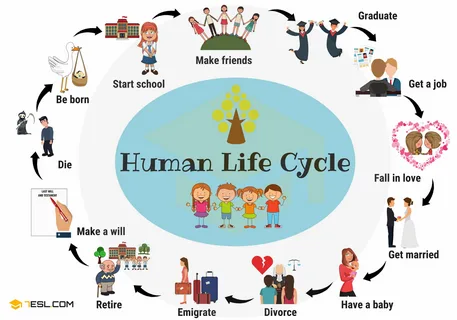
The search for meaning is not necessarily a journey toward finding one final answer. People may change their beliefs, reconsider their priorities, and discover new sources of purpose throughout different stages of life. Spirituality can provide a framework for this process, encouraging reflection, compassion, and a broader understanding of human existence. In this sense, its greatest psychological value may lie not in offering explanations for every question, but in helping individuals approach life with greater awareness, openness, and meaning.