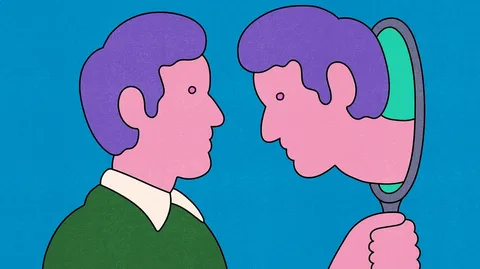
Psychology is a broad field that extends far beyond the most popular books about happiness, confidence, and personal development. Some valuable psychological works explore subjects that are less frequently discussed, including shame, identity, unconscious motivation, emotional isolation, and the complexity of human relationships. These books may not always appear on popular bestseller lists, but they offer thought-provoking perspectives on the human mind.
For readers who want to explore psychology beyond familiar titles, the following seven books provide different ways of understanding human behavior and emotional experience.
1. The Examined Life: How We Lose and Find Ourselves – Stephen Grosz
Stephen Grosz’s The Examined Life explores human emotions and relationships through stories drawn from his experience as a psychoanalyst. Rather than presenting complicated psychological theories in an abstract way, Grosz uses individual experiences to examine the hidden meanings behind everyday behavior.
The book discusses subjects such as love, loss, change, denial, and the difficulty of understanding oneself. Its central idea is that people do not always know why they behave in particular ways. Sometimes, examining personal experiences and telling their stories can reveal patterns that were previously difficult to recognize.
It is particularly interesting for readers who want to understand the relationship between unconscious processes and everyday emotional life.
2. Shame and Guilt – June Price Tangney and Ronda L. Dearing
Shame and guilt are often treated as similar emotions, but psychological research distinguishes between them. In Shame and Guilt, researchers June Price Tangney and Ronda L. Dearing examine how these emotions influence personality, relationships, moral behavior, and psychological well-being.
One important distinction explored in the book is the difference between evaluating the self and evaluating an action. Guilt is often associated with the belief that one has done something wrong, whereas shame can involve a more global negative evaluation of the self.
The authors examine how these emotional experiences may influence interpersonal behavior and psychological adjustment. This book is useful for readers interested in self-esteem, emotional development, and the psychological consequences of self-criticism.
3. The Presentation of Self in Everyday Life – Erving Goffman
Erving Goffman’s The Presentation of Self in Everyday Life offers a fascinating sociological perspective on human interaction. Goffman uses theatrical metaphors to explain how people present themselves in different social situations.
According to his approach, individuals often adjust their behavior, language, and appearance depending on the audience and the social environment. A person may behave differently at work, among friends, and within the family, not necessarily because they are being dishonest, but because social roles influence self-presentation.
The book encourages readers to examine how identity is shaped through everyday interactions. It is especially relevant to those interested in social psychology, impression management, and the relationship between personal identity and social expectations.
4. The Emotional Brain – Joseph LeDoux
Joseph LeDoux’s The Emotional Brain explores the relationship between brain processes and emotional experiences. The book examines how the brain detects potential threats and how emotional responses develop.
LeDoux discusses the neural mechanisms involved in fear and the ways in which emotional processing can occur without complete conscious awareness. His work helps explain why people sometimes react physically or emotionally before they have fully understood what is happening.
This book is particularly valuable for readers interested in neuroscience, fear, memory, and the biological foundations of emotion. It also offers a scientific perspective on why emotional reactions are not always controlled by conscious reasoning.
5. The Gift of Therapy – Irvin D. Yalom
Irvin D. Yalom’s The Gift of Therapy presents reflections on psychotherapy, therapeutic relationships, and the challenges of understanding human suffering. Drawing on his experience as a psychiatrist and psychotherapist, Yalom discusses the importance of empathy, authenticity, and the relationship between therapist and client.
The book explores existential themes such as isolation, freedom, responsibility, and death. It also considers the importance of listening carefully rather than approaching psychological difficulties through rigid assumptions.
Although the book is primarily intended for therapists and people interested in psychotherapy, general readers may also find its reflections on human relationships and emotional vulnerability valuable.
6. The Psychology of Self-Esteem – Nathaniel Branden
Nathaniel Branden’s The Psychology of Self-Esteem examines the relationship between self-esteem, personal responsibility, independent thinking, and psychological functioning.
Branden argues that self-esteem is connected not only to how individuals feel about themselves but also to how they evaluate their abilities and approach life. He emphasizes the importance of conscious awareness, personal judgment, and taking responsibility for one’s decisions.
The book offers a theoretical perspective on self-esteem that goes beyond simple advice about positive thinking. It is particularly relevant to readers who want to understand the psychological foundations of self-confidence and personal independence.
7. The Psychology of Interpersonal Relations – Fritz Heider
Fritz Heider’s The Psychology of Interpersonal Relations is an important work in the development of social psychology. It explores how people interpret the behavior of others and form explanations for why events occur.
One of the central ideas associated with Heider’s work is attribution: the process through which individuals explain behavior by referring to personal characteristics or external circumstances.
For example, if someone arrives late to a meeting, another person may assume that they are irresponsible. However, the delay may have been caused by traffic, an emergency, or circumstances beyond their control. The explanations people choose can strongly influence their judgments and relationships.
This book is valuable for understanding social perception, interpersonal misunderstandings, and the ways people construct explanations about others.
Final Thoughts
These seven books demonstrate that psychology can be explored through many different perspectives. Some focus on emotions, others examine social behavior, neuroscience, psychotherapy, or the development of personal identity.
Reading less familiar psychological works can introduce ideas that are absent from conventional self-help literature. They encourage readers to question automatic assumptions, examine emotional patterns, and consider the complexity of human behavior.
The most valuable psychological books do not necessarily provide simple answers. Instead, they introduce questions that make readers think more deeply about themselves and the people around them.