Inner peace is often described as a state in which a person feels calm, balanced, and free from unnecessary emotional disturbance. However, psychological and spiritual perspectives suggest that inner peace is not simply the absence of problems, negative emotions, or difficult circumstances. It may instead involve developing a different relationship with oneself, one’s thoughts, emotions, expectations, and experiences. People frequently search for peace by attempting to change their surroundings, avoid uncomfortable situations, or eliminate everything that causes uncertainty. Yet lasting inner peace may begin with the way individuals understand and accept their own inner experiences.
Spiritual growth is sometimes associated with discovering a deeper purpose, developing awareness, or becoming more connected to life. In this process, self-acceptance becomes particularly important. A person who constantly criticizes themselves, compares their life with others, or attempts to suppress every undesirable emotion may experience difficulty developing a stable sense of inner balance. Self-acceptance does not mean approving of every behavior or refusing to change. Rather, it involves recognizing one’s experiences, imperfections, limitations, and emotions without turning them into reasons for self-rejection. This perspective may create a foundation for psychological development and a more meaningful relationship with life.
Many individuals believe that peace will arrive after they achieve certain goals. They may imagine that emotional stability will become possible when they have more money, a better relationship, greater recognition, a successful career, or fewer responsibilities. Although external circumstances can significantly influence well-being, the expectation that happiness must always depend on future conditions may create a continuous cycle of dissatisfaction. Every achievement becomes temporary, and another condition is introduced before a person allows themselves to feel satisfied. Spiritual reflection may encourage individuals to question this pattern and examine whether they are postponing their lives while waiting for an ideal situation that may never completely exist.
Self-acceptance is closely related to the ability to recognize reality without immediately fighting against it. People naturally experience disappointment when circumstances do not match their expectations. They may resist their emotional experiences, repeatedly ask why something happened, or mentally reconstruct situations they cannot change. This resistance can sometimes intensify emotional distress. Accepting a situation does not mean considering it fair, desirable, or permanent. It means acknowledging that it exists before deciding how to respond. Psychological flexibility often begins when individuals stop spending all their emotional energy denying reality and begin directing their attention toward possible actions.
The relationship between self-acceptance and inner peace can also be understood through the concept of self-compassion. Self-compassion involves responding to personal difficulties with understanding rather than excessive criticism. Many people have developed an internal voice that is more demanding than the way they would speak to another person. Mistakes may become evidence of personal inadequacy, while ordinary difficulties may be interpreted as signs of weakness. This internal pattern can create emotional exhaustion. A more compassionate perspective recognizes that mistakes, uncertainty, disappointment, and imperfect decisions are part of human experience. Instead of demanding perfection, individuals can acknowledge their difficulties while still maintaining a sense of personal worth.
Spiritual growth does not necessarily require dramatic experiences or profound revelations. It may occur through ordinary moments of reflection, awareness, and honesty. A person may become more spiritually aware when they begin questioning why they constantly seek approval, why certain situations create disproportionate emotional reactions, or why they feel uncomfortable being alone. These questions may reveal patterns that were previously unnoticed. Developing awareness of such patterns can help individuals understand the motivations behind their behaviors. Rather than reacting automatically to every emotional experience, they may gradually develop the ability to observe their thoughts and feelings with greater curiosity.
One of the obstacles to inner peace is the tendency to identify completely with one’s thoughts. Individuals often treat every thought as a reliable description of reality. A thought such as “I am not successful enough” may become a personal truth rather than a temporary mental interpretation. Similarly, the belief that another person dislikes them may generate anxiety even when the evidence is uncertain. Psychological approaches such as mindfulness encourage individuals to observe thoughts without automatically accepting or rejecting them. This practice creates psychological distance between a person and their mental experiences. From a spiritual perspective, this distance may also encourage a deeper understanding of the difference between awareness and the changing contents of the mind.
The search for inner peace is also influenced by the relationship people have with the past. Memories can provide valuable information, emotional connection, and a sense of personal history. However, unresolved experiences may sometimes become sources of repeated mental engagement. Individuals may revisit old conversations, imagine alternative outcomes, or continue evaluating decisions made years earlier. This process can make it difficult to remain emotionally present. Spiritual reflection may encourage a person to recognize that the past cannot be completely reconstructed through repeated thinking. Understanding previous experiences can be valuable, but continually living through them mentally may prevent individuals from engaging with their present lives.
Forgiveness is often discussed within spiritual traditions, but psychologically it can be understood in several different ways. Forgiveness does not necessarily mean reconciliation, forgetting, excusing harmful behavior, or restoring trust. It may instead involve gradually reducing the emotional influence of a painful experience on one’s present life. Some individuals feel pressured to forgive quickly because they believe anger or resentment is incompatible with spiritual development. However, emotional healing is not always immediate. Anger may communicate that a boundary was violated, while sadness may reflect the significance of a loss. A healthy approach allows emotions to be acknowledged rather than forcing them to disappear in the name of inner peace.
Another important aspect of spiritual growth is the ability to distinguish between personal values and socially imposed expectations. Individuals may spend years pursuing goals that were shaped by family expectations, cultural standards, social comparison, or the desire to be admired. These goals are not necessarily wrong, but they may become psychologically exhausting when they are disconnected from personal values. Someone may achieve professional recognition while experiencing a sense of emptiness because the achievement was primarily intended to satisfy external expectations. Reflecting on what genuinely matters can help individuals develop a more authentic direction in life. Spirituality, in this context, becomes a process of discovering what gives personal experiences meaning rather than simply following established definitions of success.
The experience of solitude can also contribute to inner peace. Modern life provides continuous opportunities for stimulation, communication, entertainment, and distraction. Although social connection is essential for psychological well-being, constant stimulation may make it difficult for individuals to recognize their own emotional needs. Solitude creates an opportunity to observe thoughts, feelings, and personal priorities without immediately responding to external demands. However, solitude and social isolation are not identical. Healthy solitude is generally experienced as an opportunity for reflection or restoration, whereas unwanted isolation may involve loneliness, distress, and a lack of meaningful connection. Spiritual development does not require withdrawing from people. It may instead help individuals develop a more balanced relationship with both solitude and social life.
The connection between spirituality and gratitude is another important area of psychological reflection. Gratitude involves recognizing aspects of life that are meaningful, valuable, or appreciated. It does not require denying hardship or pretending that everything is positive. People may experience gratitude while simultaneously feeling sadness, disappointment, or uncertainty. The ability to recognize meaningful experiences alongside difficult ones may encourage a more balanced perception of life. Gratitude can sometimes shift attention away from the constant pursuit of what is missing and toward the experiences, relationships, opportunities, and ordinary moments that already contribute to personal well-being. When practiced realistically, gratitude may support emotional awareness rather than become another expectation that individuals must fulfill.
Spiritual growth may also involve accepting uncertainty. Human beings often seek predictability because uncertainty can create anxiety and a sense of vulnerability. They may attempt to control future events, anticipate every possible difficulty, or repeatedly seek reassurance. Although planning and preparation are useful, excessive attempts to control uncertain situations can become exhausting. Many aspects of life remain unpredictable regardless of how carefully individuals organize their decisions. Developing the ability to tolerate uncertainty may allow people to respond to life more flexibly. Inner peace does not necessarily emerge from knowing what will happen. It may develop from recognizing that uncertainty is an unavoidable part of existence and that individuals can still make meaningful choices within it.
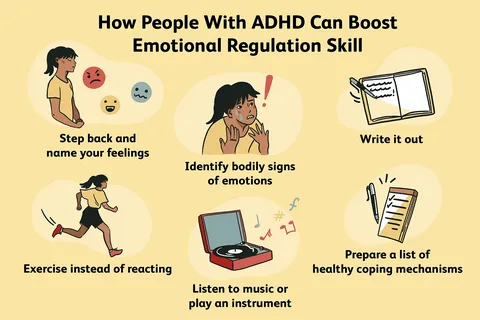
The relationship between spirituality and emotional regulation is equally significant. Some individuals interpret spiritual development as becoming permanently calm or avoiding emotional reactions. However, psychological maturity does not necessarily involve experiencing fewer emotions. It may involve understanding emotions more accurately, recognizing their origins, and responding to them in ways that are consistent with personal values. A spiritually reflective person may still experience frustration, fear, grief, jealousy, or disappointment. The difference may lie in their willingness to understand these experiences instead of automatically allowing them to determine their behavior. Emotional regulation supports the ability to remain aware of feelings without being completely controlled by them.
Personal boundaries can also be an important part of inner peace. Some individuals believe that spirituality requires unconditional kindness, constant availability, or the ability to tolerate every behavior. Such beliefs may lead them to neglect their own needs or remain in emotionally exhausting situations. However, compassion does not eliminate the importance of boundaries. A person can care about others while recognizing their own emotional limits. They can understand another person’s difficulties without accepting harmful behavior. Boundaries may support healthier relationships by clarifying expectations, protecting personal resources, and reducing resentment. From a psychological perspective, the ability to establish boundaries may reflect an understanding of personal responsibility and self-respect.
The concept of meaning is particularly important when examining spirituality. Human beings frequently seek explanations for their experiences, especially during periods of uncertainty, loss, or significant change. Meaning may emerge through relationships, creativity, responsibility, personal development, contribution, or the way individuals respond to difficult circumstances. It does not necessarily need to be connected to a single universal explanation. People may discover different forms of meaning at different stages of their lives. An experience that once seemed insignificant may become meaningful through reflection, while previously important goals may lose their relevance. The process of discovering meaning is often dynamic rather than fixed.
Spiritual reflection may also influence how individuals perceive other people. When people become more aware of their own emotional patterns, they may gradually recognize that others also experience fear, insecurity, disappointment, and uncertainty. This understanding can encourage empathy. However, empathy does not require interpreting every person’s behavior positively or assuming that everyone has good intentions. It involves recognizing human complexity while maintaining the ability to evaluate behavior realistically. Developing empathy may reduce unnecessary judgment, but it should not eliminate discernment. Inner peace and interpersonal awareness can coexist with the recognition that some relationships are unhealthy or incompatible with one’s values.
The pursuit of spiritual growth may sometimes become another form of perfectionism. Individuals may begin expecting themselves to remain peaceful in every situation, respond to conflict with complete wisdom, or never experience negative thoughts. When they inevitably encounter ordinary emotional difficulties, they may feel that they have failed in their personal or spiritual development. This expectation can create a new form of self-criticism. Spiritual growth is not necessarily a linear process. People may become more aware of their patterns and still repeat them. They may develop greater emotional understanding and still experience periods of confusion. Progress can involve returning to previously understood lessons under different circumstances and gradually responding with greater awareness.
Mindfulness may offer a practical way to support this process. Mindfulness involves paying attention to present experiences with greater awareness and less automatic judgment. It can be practiced through breathing, observing sensations, walking, eating, or simply noticing thoughts and emotions during ordinary activities. It does not require special circumstances or a completely silent environment. Even brief moments of attention may help individuals recognize when they are distracted, emotionally overwhelmed, or reacting automatically. The purpose is not necessarily to eliminate thoughts but to become more aware of how attention and emotional reactions influence daily experiences.
Writing can also support spiritual and psychological reflection. Individuals may benefit from recording their thoughts, emotional reactions, personal questions, and experiences that have influenced their understanding of life. Journaling may reveal recurring patterns, values, fears, and expectations that are difficult to recognize during ordinary daily activities. Questions such as “What do I consider meaningful?”, “What am I trying to control?”, “Which expectations are genuinely mine?”, and “What am I avoiding emotionally?” may encourage deeper reflection. The purpose of such questions is not to produce immediate answers but to create opportunities for honest self-examination.
Spirituality may further encourage a different relationship with achievement. Personal goals remain valuable, but they do not necessarily determine a person’s entire identity or worth. Individuals can pursue professional development, education, financial stability, and personal ambitions while recognizing that their value is not limited to their accomplishments. When achievement becomes the primary source of identity, setbacks may feel like threats to personal existence rather than ordinary experiences of difficulty. A more balanced perspective allows individuals to pursue meaningful goals without constantly evaluating themselves through external outcomes.
Ultimately, inner peace may be less about creating a life in which nothing difficult happens and more about developing the psychological capacity to experience life without continuously rejecting oneself. Self-acceptance, emotional awareness, personal boundaries, gratitude, mindfulness, and the search for meaning may contribute to this process. Spiritual growth does not necessarily involve becoming a completely different person. It may involve understanding the person one already is with greater honesty, compassion, and awareness. When individuals stop expecting themselves to be perfect before they deserve peace, they may begin discovering that inner peace is not exclusively a future achievement. It can gradually emerge through the way they experience, interpret, and respond to their present lives.