July 5, 2025-
No Comments
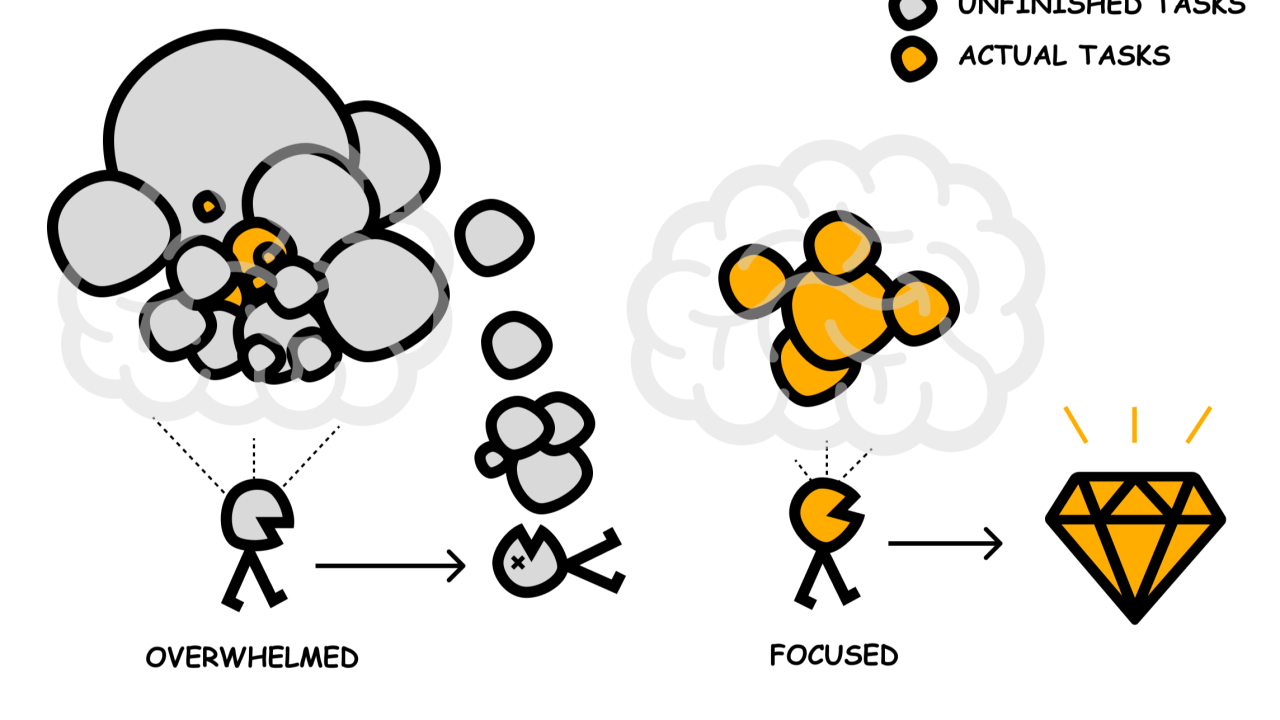
Most people carry a mental list of things left undone—emails unsent, books half-read, projects started but never completed. Psychologists refer to this phenomenon as part of the Zeigarnik Effect, which...
Most people carry a mental list of things left undone—emails unsent, books half-read, projects started but never completed. Psychologists refer to this phenomenon as part of the Zeigarnik Effect, which...
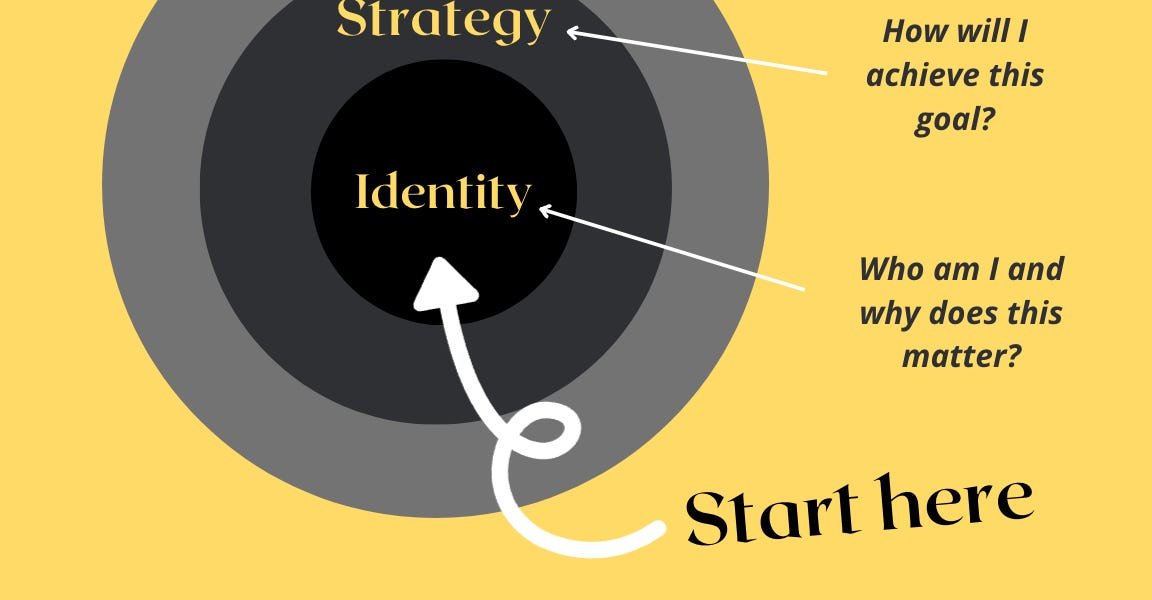
While macro-decisions like choosing a career or ending a relationship define major life chapters, it is the micro-decisions that quietly build our character. Every time we choose to speak kindly,...
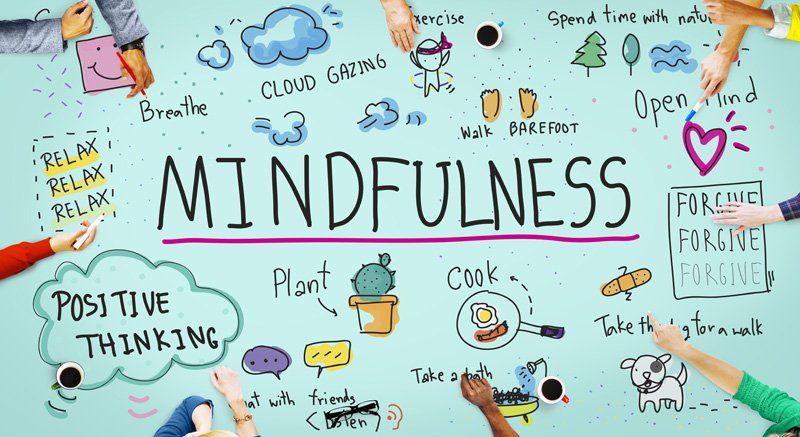
Mindfulness is defined as the psychological process of intentionally bringing one’s attention to experiences occurring in the present moment without judgment. Rooted in ancient contemplative traditions, particularly Buddhism, mindfulness has...
PTSD is a mental health condition that can develop after a person experiences or witnesses a traumatic event involving intense fear, helplessness, or horror. Such events may include war, natural...
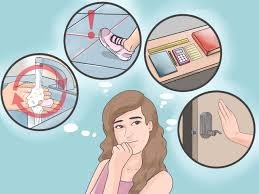
Obsessive-Compulsive Disorder, commonly known as OCD, is more than just a preference for cleanliness or order. It is a serious mental health condition that traps individuals in cycles of unwanted...
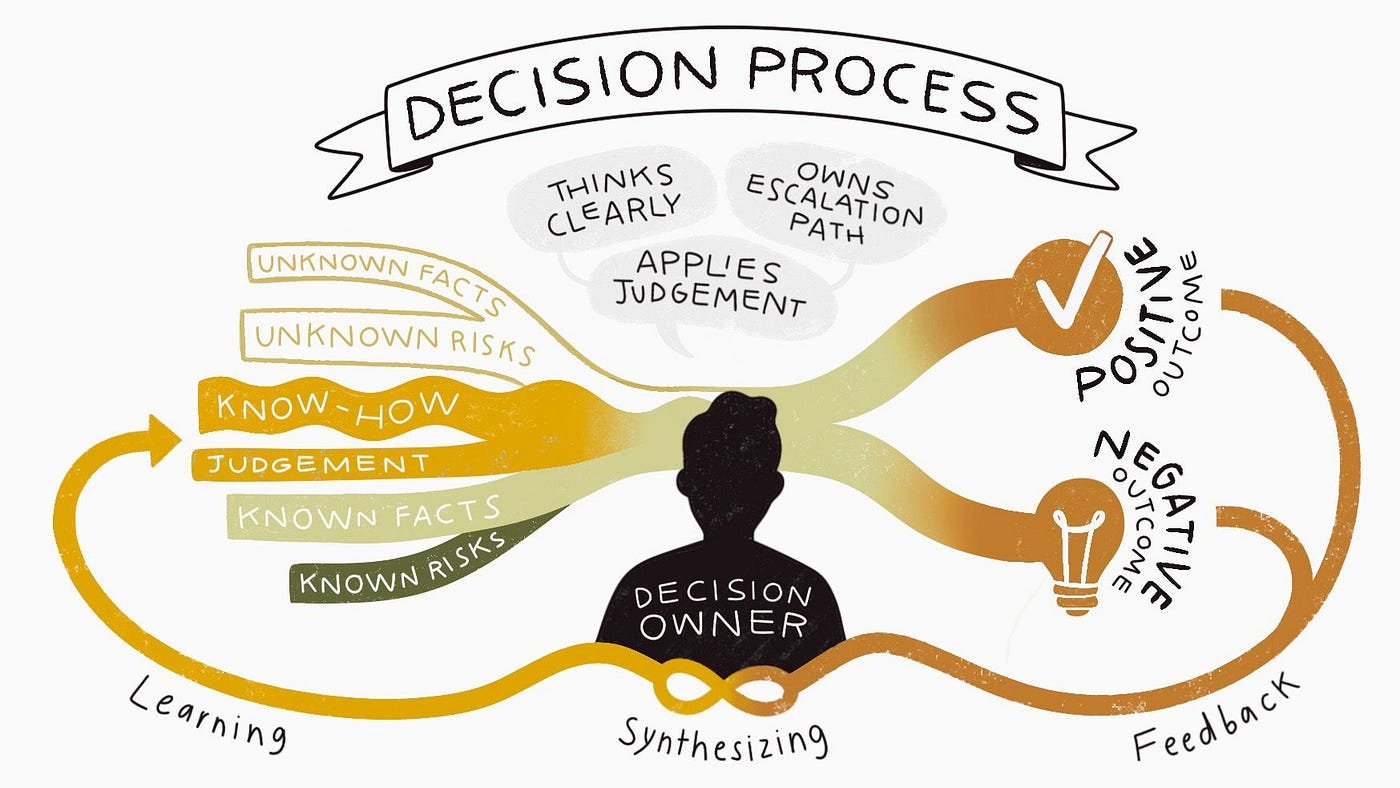
While major life decisions often receive the most attention, research shows that micro-decisions—the small, everyday choices we make without much thought—can significantly influence our habits, identity, and long-term well-being. These...
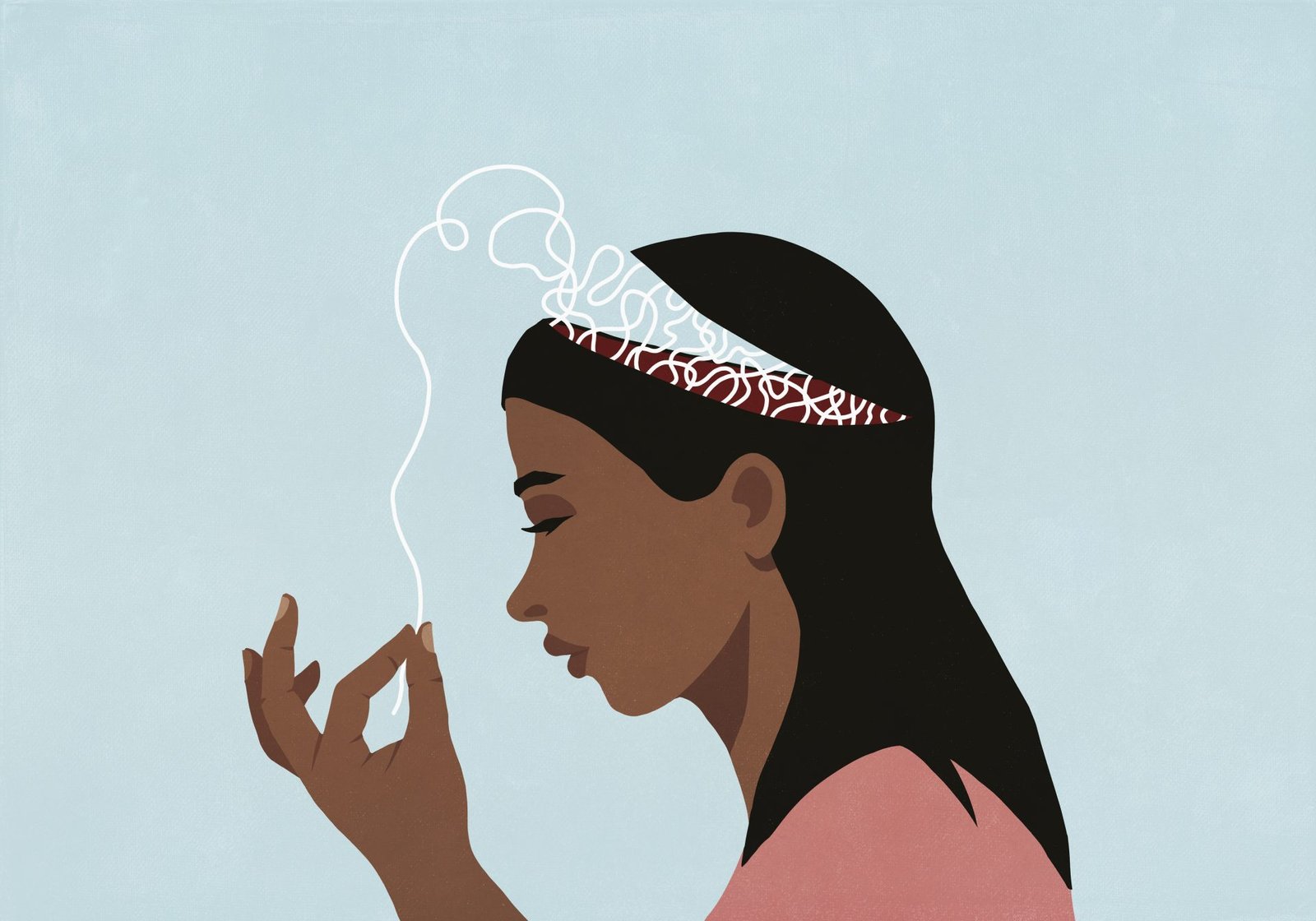
Nostalgia, once seen as a sentimental longing for the past, is now recognized by psychologists as a complex and meaningful emotional experience. Far from being merely a symptom of sadness...
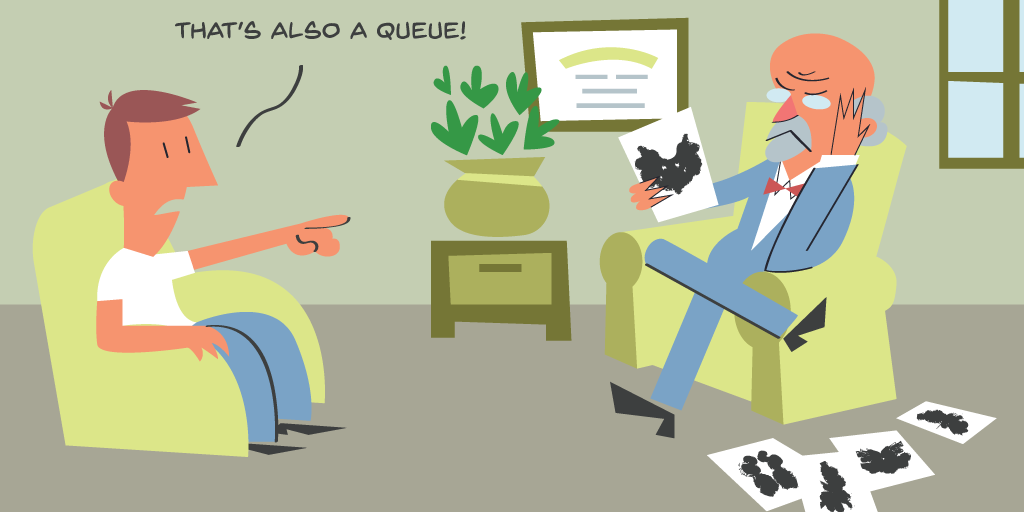
Waiting is a universal human experience, yet it often triggers intense emotions—frustration, anxiety, boredom, and even helplessness. In a world designed for speed and instant access, our tolerance for delay...
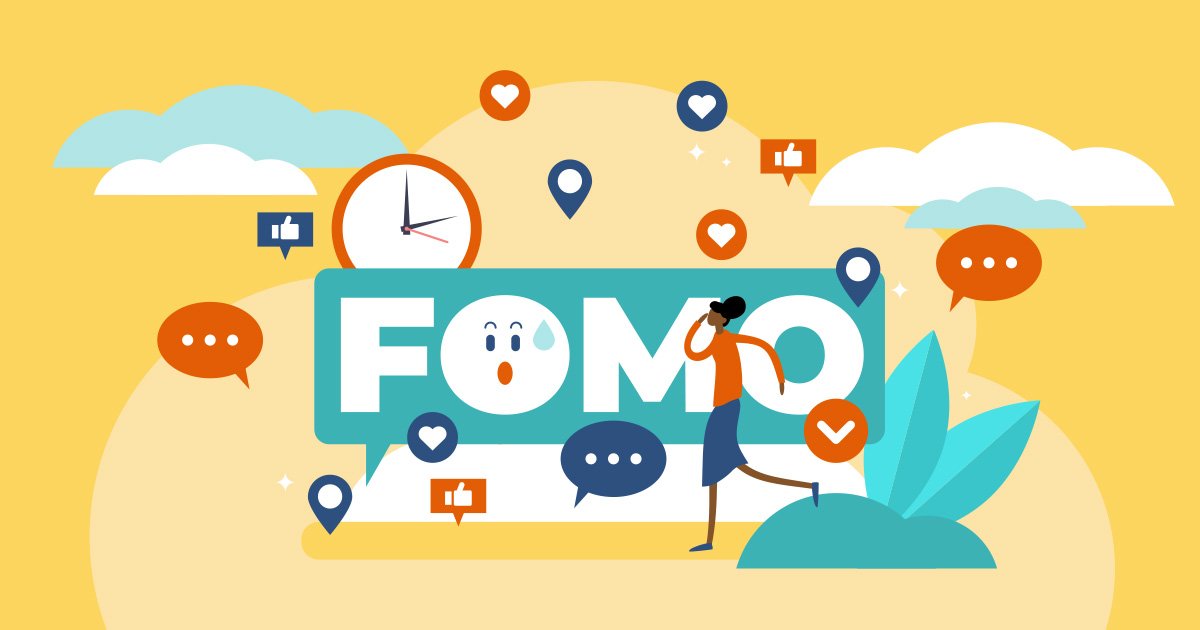
The Fear of Missing Out, commonly known as FOMO, is a psychological phenomenon marked by the constant worry that others are having more rewarding experiences than oneself. With the rise...
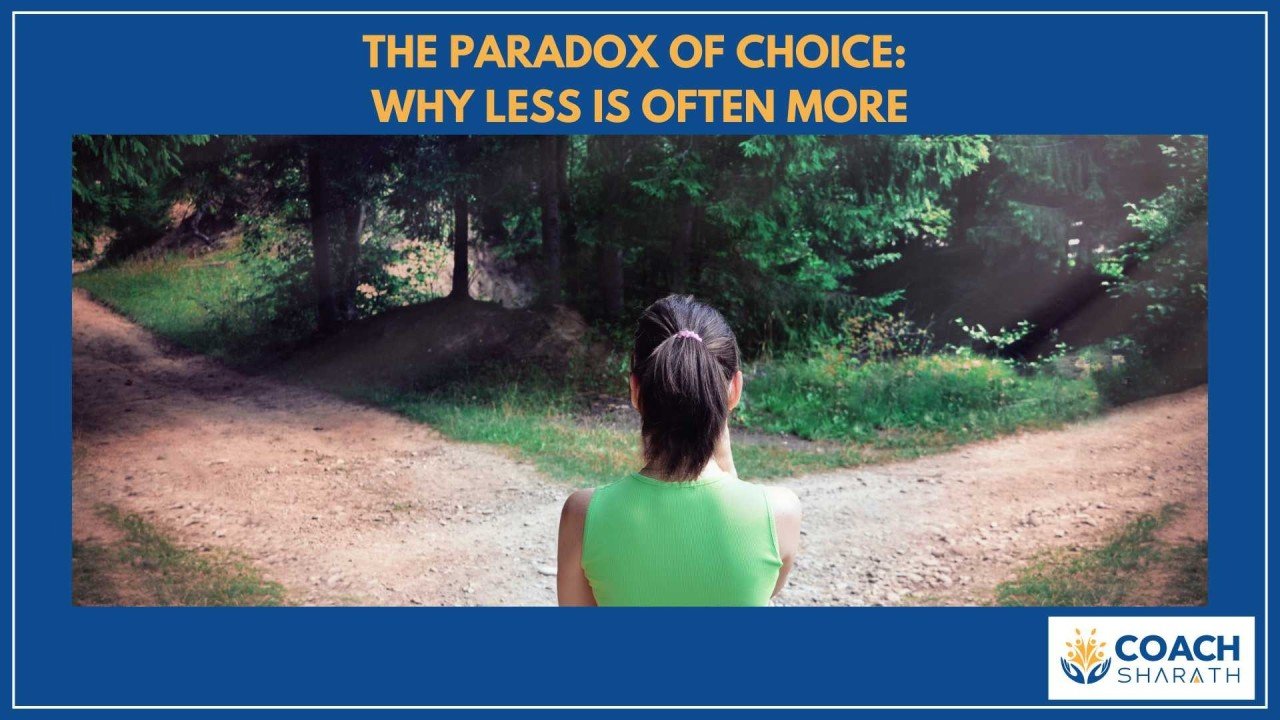
In today’s world, people are offered more choices than ever before—what to buy, how to live, who to follow, what to believe. While choice is often considered a symbol of...