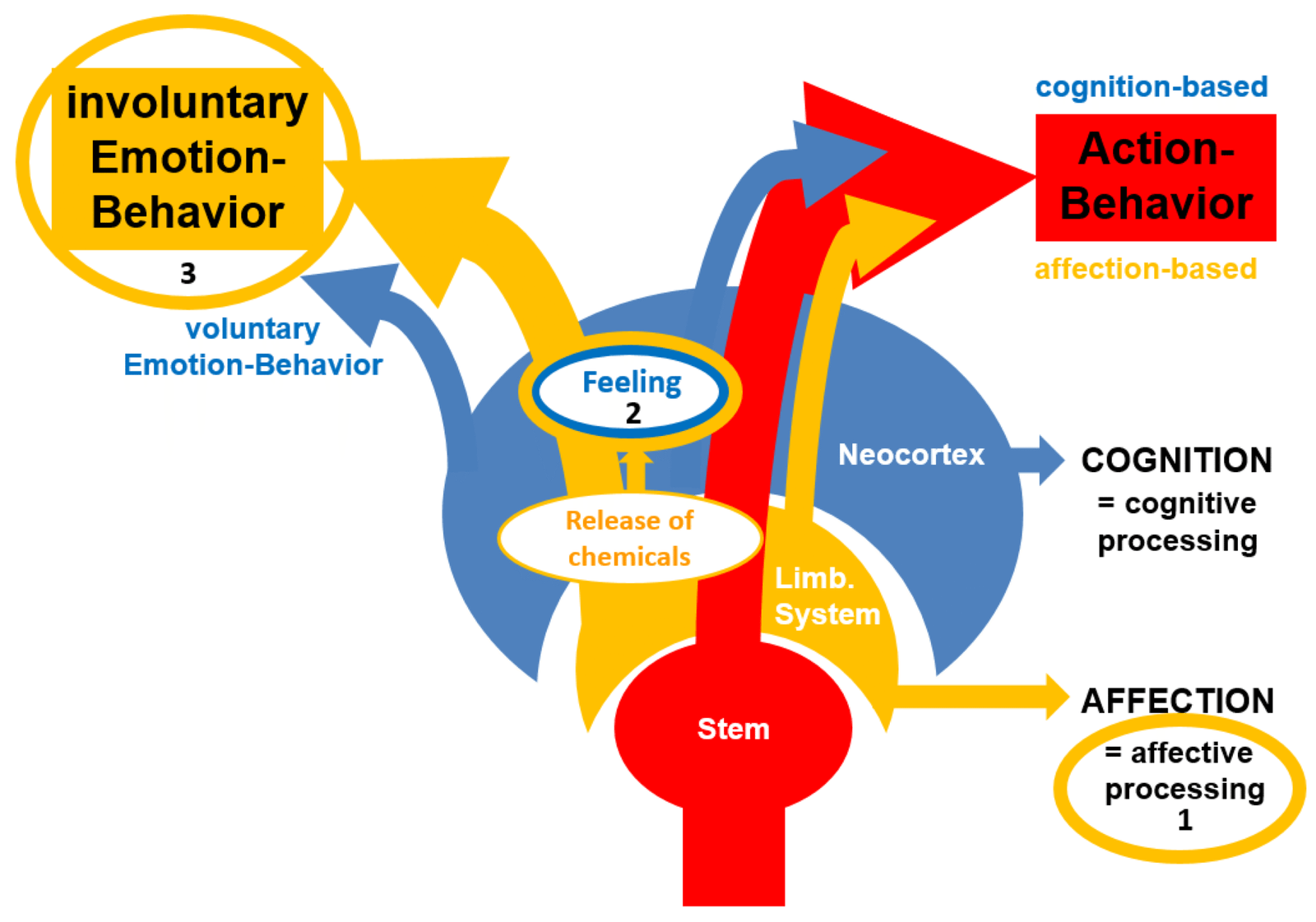
In the twenty-first century, psychiatry is no longer limited to treating emotional disorders — it is learning to design emotion itself. Advances in neurotechnology, psychopharmacology, and affective computing have given...
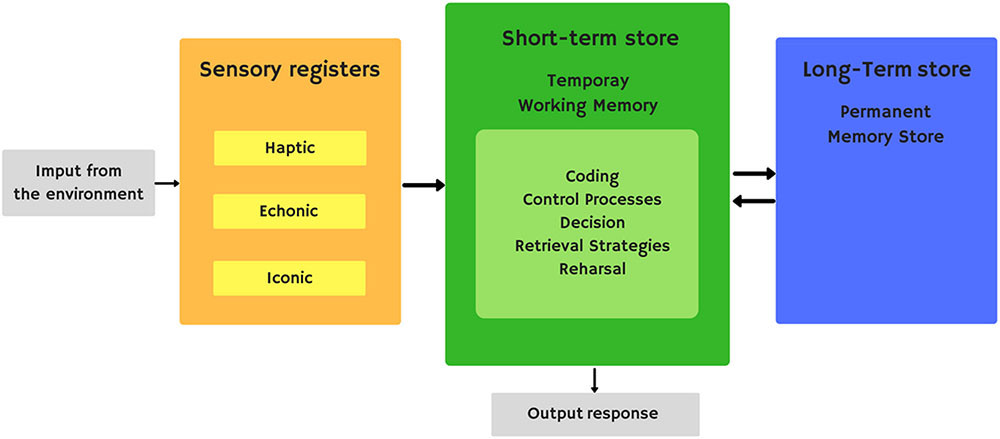

In the twenty-first century, psychiatry is no longer limited to treating emotional disorders — it is learning to design emotion itself. Advances in neurotechnology, psychopharmacology, and affective computing have given...
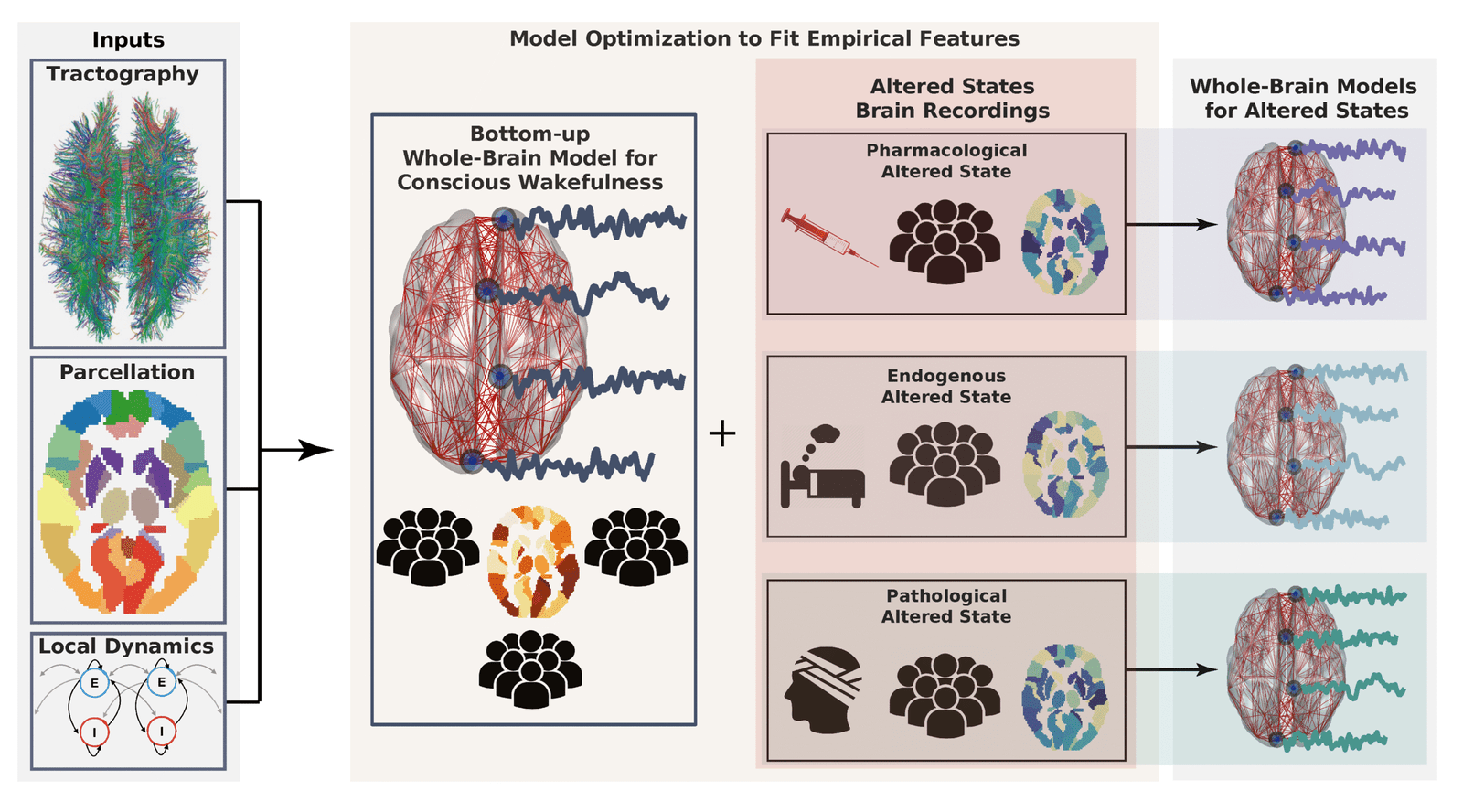
Among all dimensions of human experience, none is as fundamental yet as elusive as time. We do not merely live in time — we are time. The self, as psychiatry...

Psychiatry, once confined to the study of human suffering and emotion, now stands at the edge of a conceptual revolution. The rise of artificial intelligence has not only transformed how...

Throughout history, humanity has sought to transcend the boundaries of ordinary waking consciousness — through ritual, meditation, intoxication, or visionary experience. Such altered states of consciousness (ASCs) have been variously...

Dreams have always occupied a strange borderland between science and mystery — an intimate theater of the unconscious that reveals the hidden logic of the psyche. From ancient civilizations that...

We live in an era of unprecedented connectivity. Billions of humans are digitally linked through social media, messaging platforms, and virtual networks. Yet beneath this web of communication lies a...

Trauma is often conceived as an intimate psychological event — a wound within a single mind. Yet some traumas are too vast, too enduring, to belong to any one person....

The 21st century marks a turning point where psychiatry — once the science of the human mind — now faces a profound question: What happens when the mind itself can...

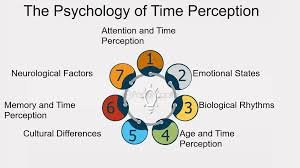
Time, though objective in physics, is profoundly subjective in human experience. The brain does not measure time as a clock does; it constructs it. Every moment we perceive is filtered...

In an age defined by rapid technological change, political instability, climate crisis, and social alienation, the human search for meaning has become more urgent — and more fragile — than...
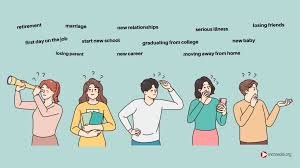
Role conflict occurs when an individual faces incompatible demands attached to different social roles they occupy. Each person plays multiple roles—such as employee, parent, partner, student, friend—and these roles come with specific expectations and responsibilities. When these expectations clash, they create psychological tension and stress.
At Famout, we are passionate about quality, innovation, and excellence.
24/7 Support
Subscribe for latest products
© 2024 Famout