December 13, 2025-
No Comments
Human consciousness is not only defined by thought or emotion, but by time. To exist as a self is to experience continuity — a remembered past, a lived present, and...
Human consciousness is not only defined by thought or emotion, but by time. To exist as a self is to experience continuity — a remembered past, a lived present, and...

Annihilation anxiety is not the fear of death as commonly understood. It is the fear of psychological non-existence — the terror that the self may dissolve, disappear, fragment, or cease...

Emptiness, once seen as an affliction, reveals itself at last as a horizon — not a void to be crossed but a depth to be understood. The patient who has...

The human self is typically experienced as a continuous thread—stable across time, coherent across situations, and unified across internal states. Yet in some individuals, the self does not function as...
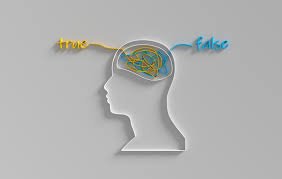
Memory is often imagined as a passive archive of lived experience — a faithful recording of events, emotions, and sensory impressions. Yet modern psychiatry has revealed a far more unsettling...
Depersonalization is not merely a feeling of strangeness; it is a profound disruption of the first-person structure of consciousness — the sense that experience is happening to me. In this...
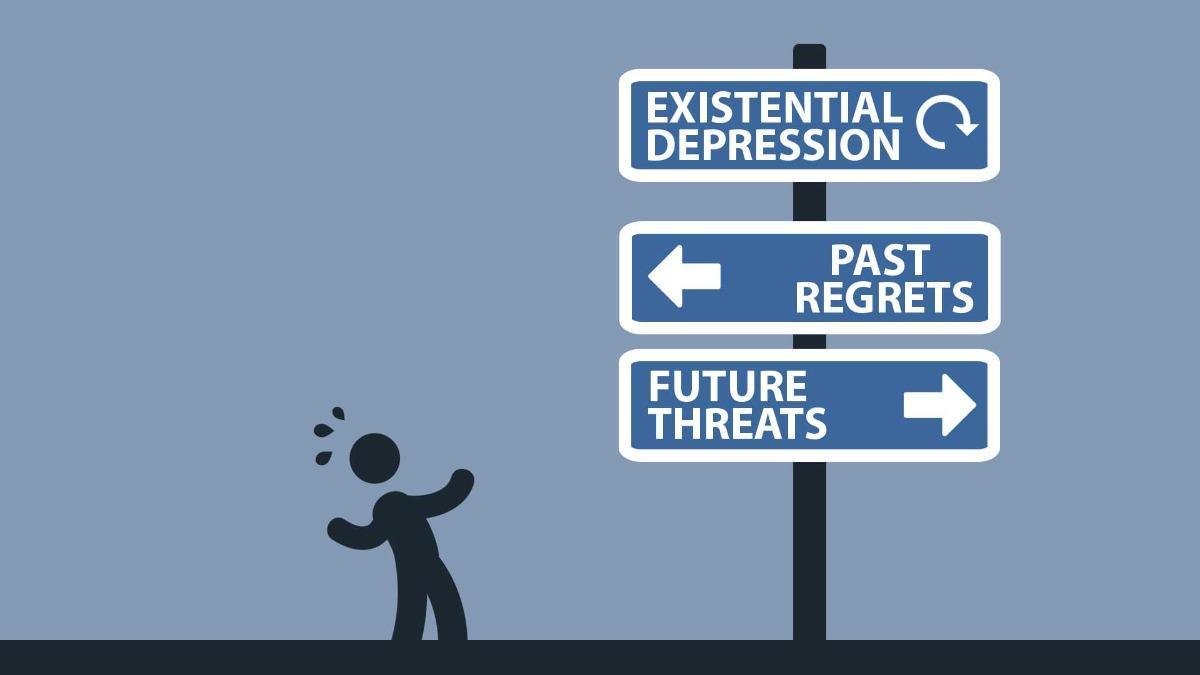
Existential depression is not sadness, nor is it the emotional heaviness commonly associated with mood disorders. It is a collapse of the structures that make experience meaningful — a failure...

Psychopathy is typically described through behavioral criteria — lack of empathy, superficial charm, impulsivity, manipulativeness — but these traits emerge from a deeper and less discussed phenomenon: the absence or...
Dissociation is often described as a disruption of memory, identity, or perception, but it is better understood as a complex reorganization of consciousness itself. It is not the mind breaking...

Emotional numbness is not the absence of emotion; it is the mind’s strategic withdrawal from unbearable internal intensity. It is a paradoxical state in which the individual feels too little...