December 28, 2025-
No Comments
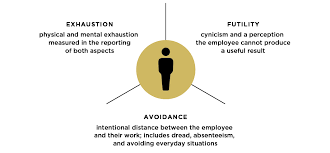
Intentional exhaustion is not apathy, not laziness, and not the simple absence of motivation. It is a far deeper psychological failure: the collapse of the mind’s capacity to generate intention...
Intentional exhaustion is not apathy, not laziness, and not the simple absence of motivation. It is a far deeper psychological failure: the collapse of the mind’s capacity to generate intention...

Self-continuity is the silent psychological assumption that the person who existed yesterday, who exists now, and who will exist tomorrow is fundamentally the same self. This continuity is not a...

Psychopathology is usually described as a deficit: too little meaning, too little emotion, too little connection. Yet there exists a lesser-known and profoundly destabilizing condition characterized not by absence, but...
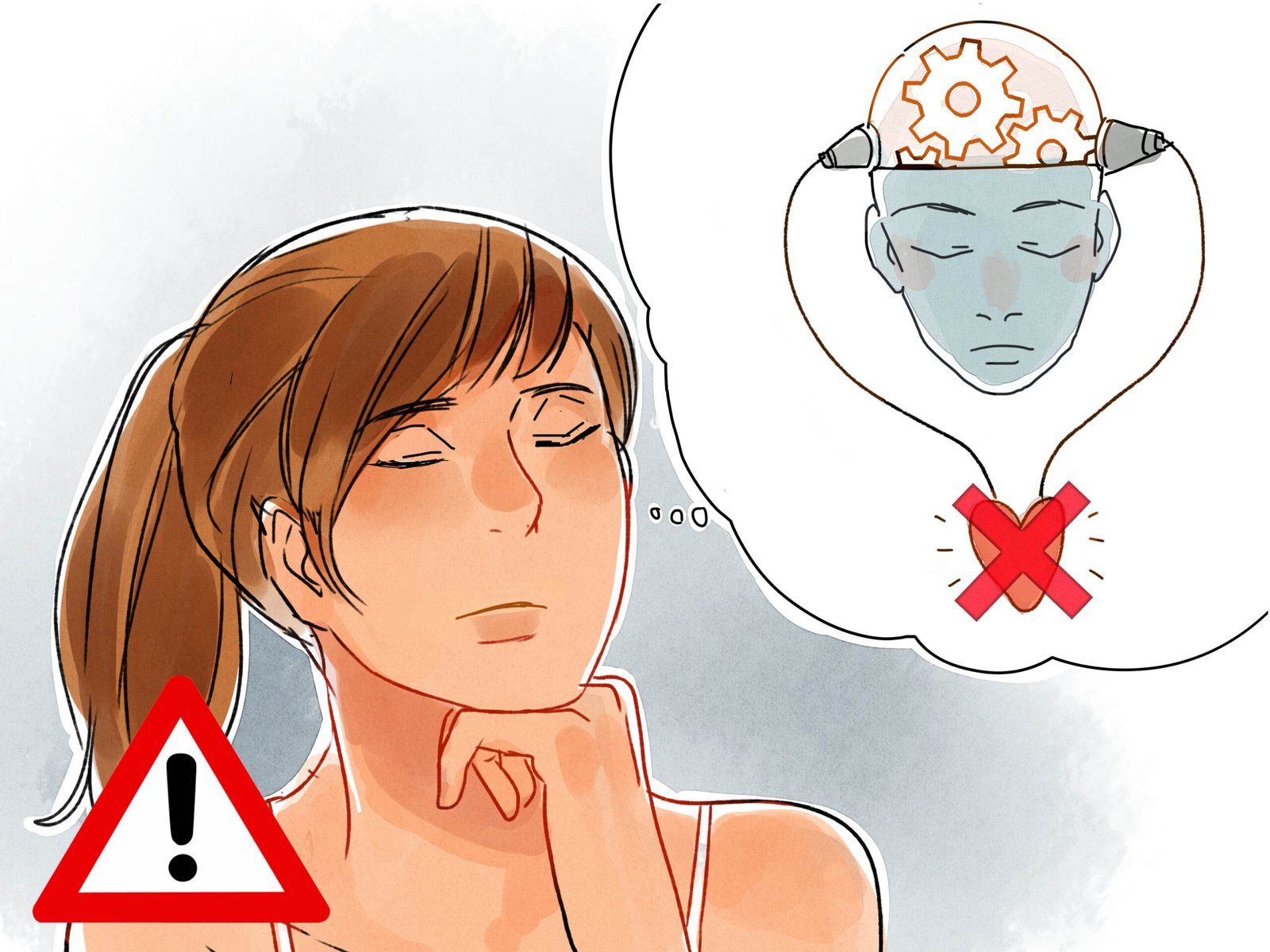
Emotional life is usually described in terms of presence or absence: feeling versus numbness. Yet there exists a far subtler and more disturbing condition in which emotions are neither absent...

Human psychology is fundamentally temporal. The mind does not exist only in the present moment; it continuously stretches backward into memory and forward into anticipation. Identity itself depends on this...

Inner dialogue — the silent conversation we carry with ourselves — is one of the most fundamental yet invisible pillars of psychological life. It is through inner speech that we...

Psychological invisibility is not the fear of being ignored, nor the social anxiety of being judged. It is a far deeper disturbance: the felt conviction that one does not register...

Human psychological life depends not only on perception or emotion, but on meaning attribution — the continuous, mostly unconscious process by which the mind assigns importance, relevance, and value to...

One of the most unsettling experiences in severe psychopathology is not the loss of identity itself, but the loss of ownership over identity. In this state, thoughts still occur, emotions...
Emotional extinction is not numbness in the ordinary sense, nor is it the temporary blunting seen in stress or fatigue. It is the progressive disappearance of the capacity to feel...