January 21, 2026-
No Comments
Most psychiatric models assume that emotions arise in close temporal proximity to events. Something happens, the feeling emerges, and the psyche responds. Yet there exists a little-described condition in which...
Most psychiatric models assume that emotions arise in close temporal proximity to events. Something happens, the feeling emerges, and the psyche responds. Yet there exists a little-described condition in which...
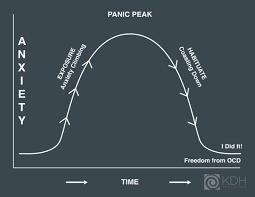
Psychiatry frequently addresses pathological fear, sadness, or confusion, but rarely examines a more subtle disturbance: the loss of experiential novelty in existence itself. Existential Habituation describes a condition in which...

Psychiatry usually associates mental health with an active inner life—thoughts, images, inner speech, and emotional commentary. Yet there exists a rarely discussed condition in which cognitive operations remain intact while...
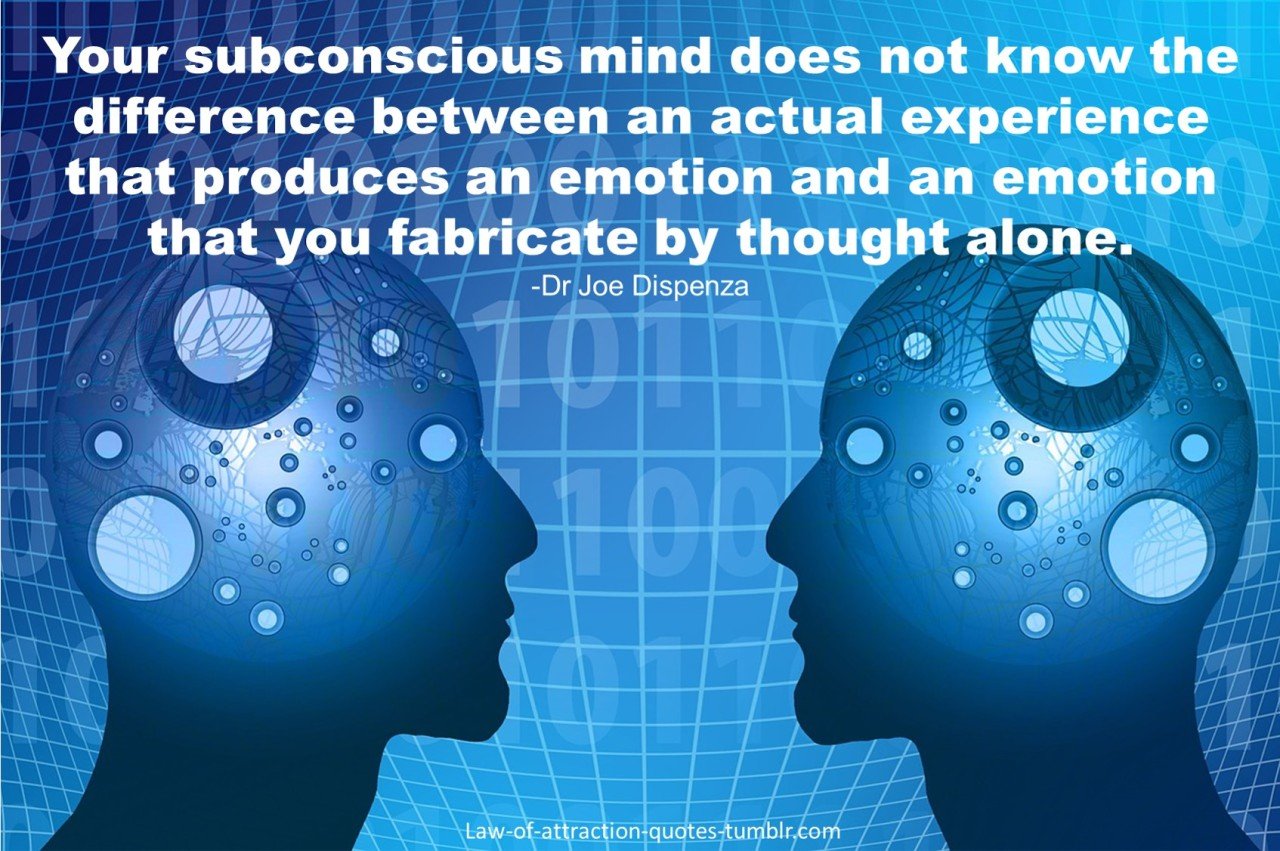
Most psychiatric frameworks assume that emotions are either felt or absent. However, a little-described condition exists in which emotions are cognitively recognized as present, yet subjectively unfelt. This phenomenon can...

Psychiatry typically links motivation to desire. People act because they want something: relief, pleasure, approval, safety, meaning. Yet there exists a rarely articulated psychological state in which behavior remains organized...
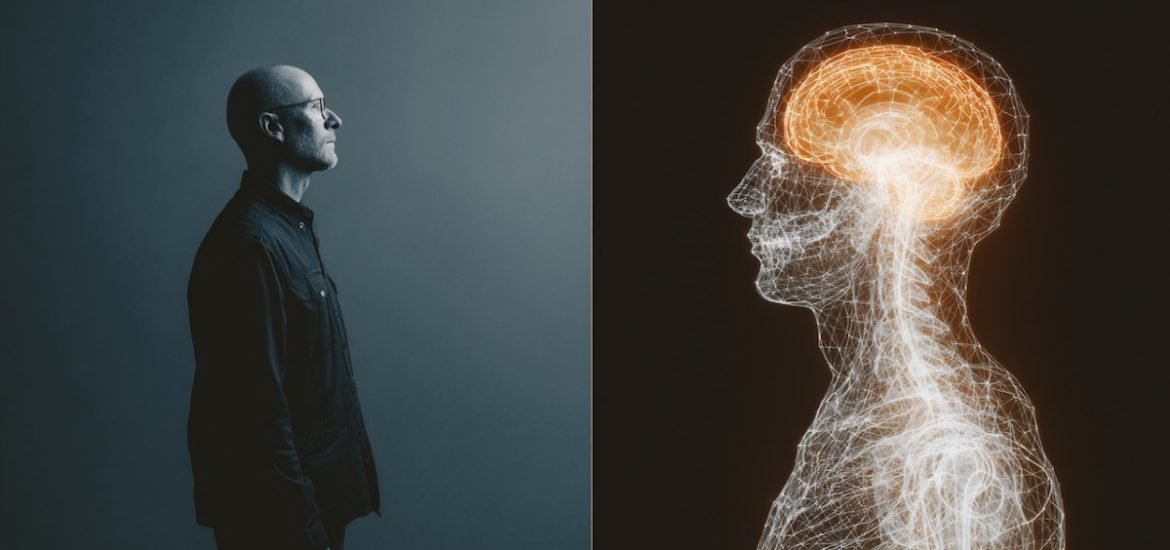
Most psychiatric models assume that personal continuity—the sense of being the same person over time—is inseparable from identity. Memory, personality traits, values, and emotional patterns are thought to bind the...

Psychiatry often assumes that psychological suffering arises from confusion, lack of meaning, or unresolved conflict. Far less attention is given to a paradoxical condition in which distress emerges from the...

Most psychiatric descriptions assume that agency—the capacity to act—and ownership—the feeling that one is the author of those actions—are inseparable. Yet a rarely articulated disturbance exists in which actions are...
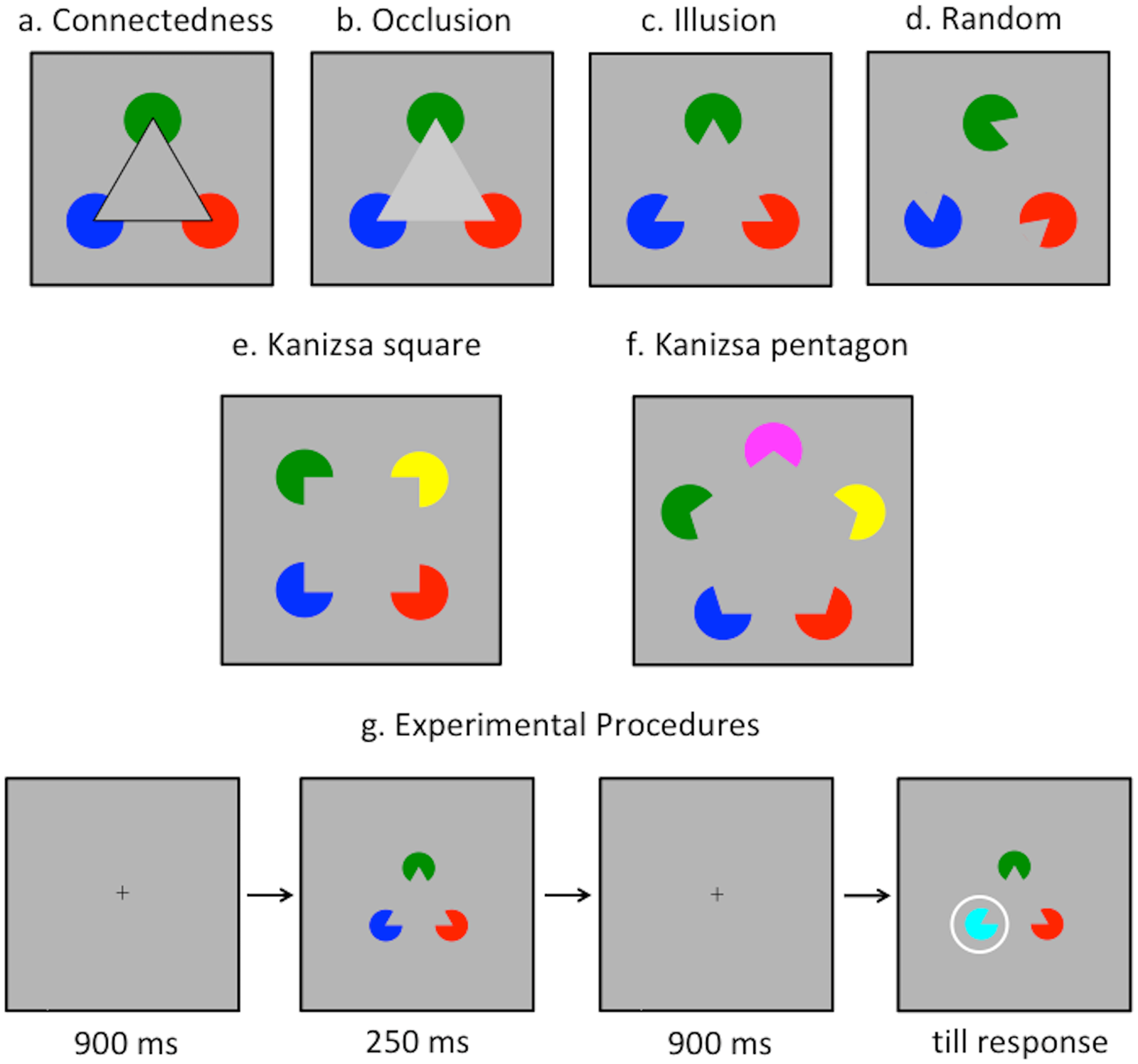
Psychiatric theory often associates perceptual disturbance with distortion, hallucination, or instability. Yet an inverse and rarely described condition exists in which perception becomes excessively stable. This phenomenon, which may be...
Most psychiatric models assume that thoughts are inherently intentional—that they are about something. A thought refers to an object, a memory, a fear, a plan, or a belief. Yet a...