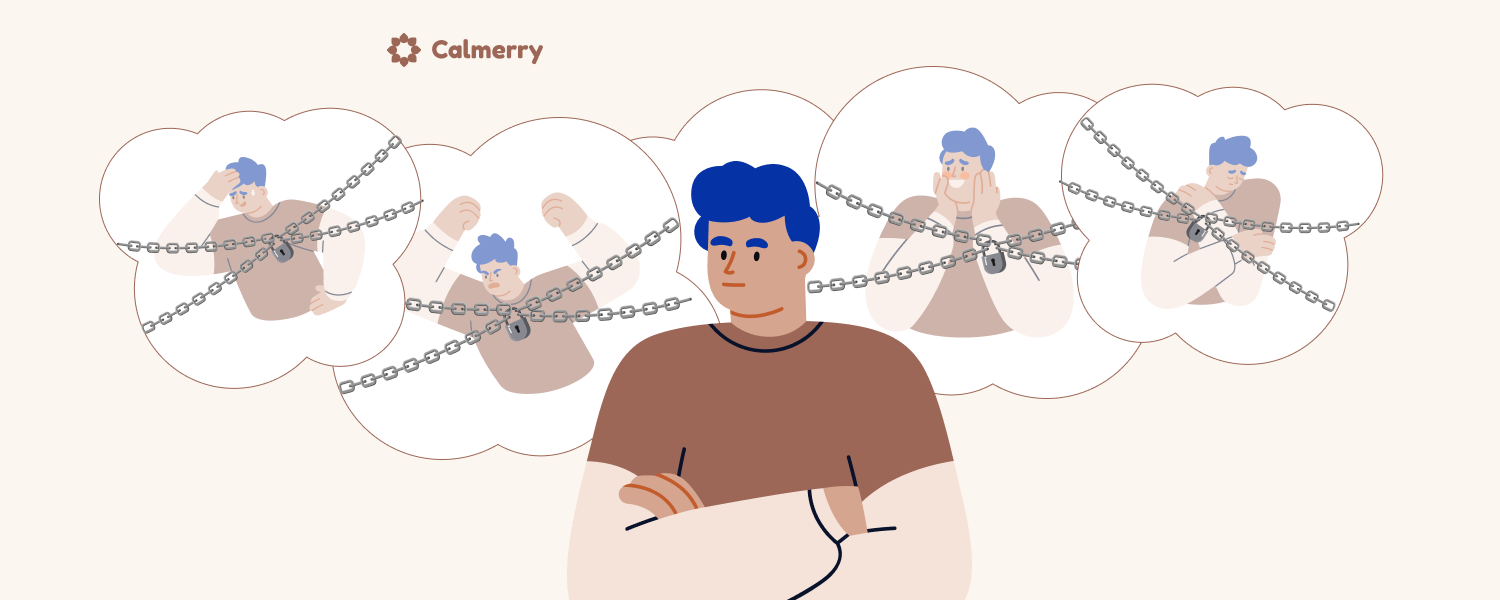
Emotional suppression refers to the conscious or unconscious effort to inhibit the expression of emotions, particularly those deemed socially undesirable or personally uncomfortable. While occasional restraint of emotions can be...

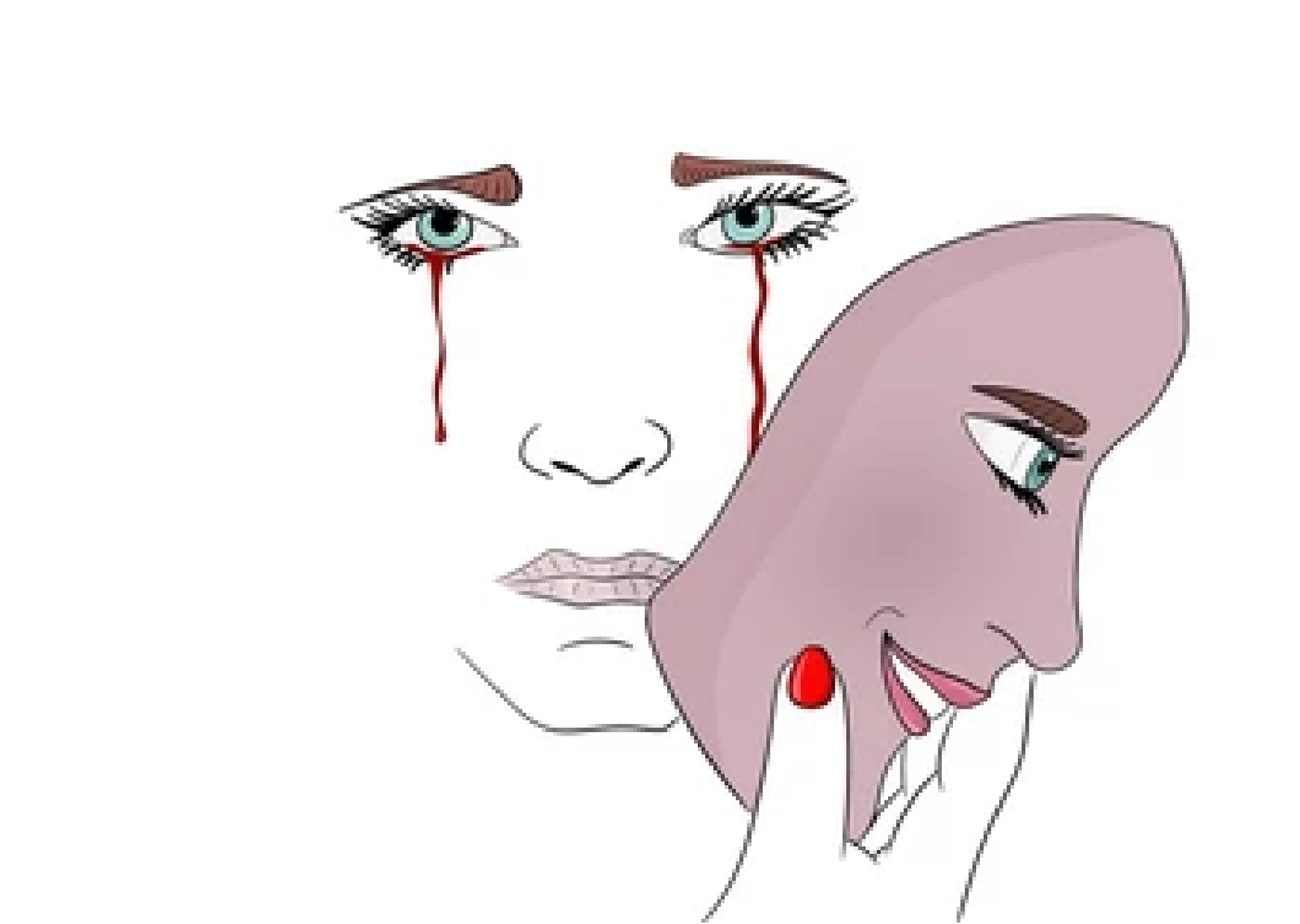
Emotional suppression refers to the conscious or unconscious effort to inhibit the expression of emotions, particularly those deemed socially undesirable or personally uncomfortable. While occasional restraint of emotions can be...
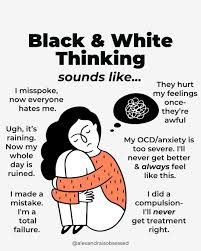
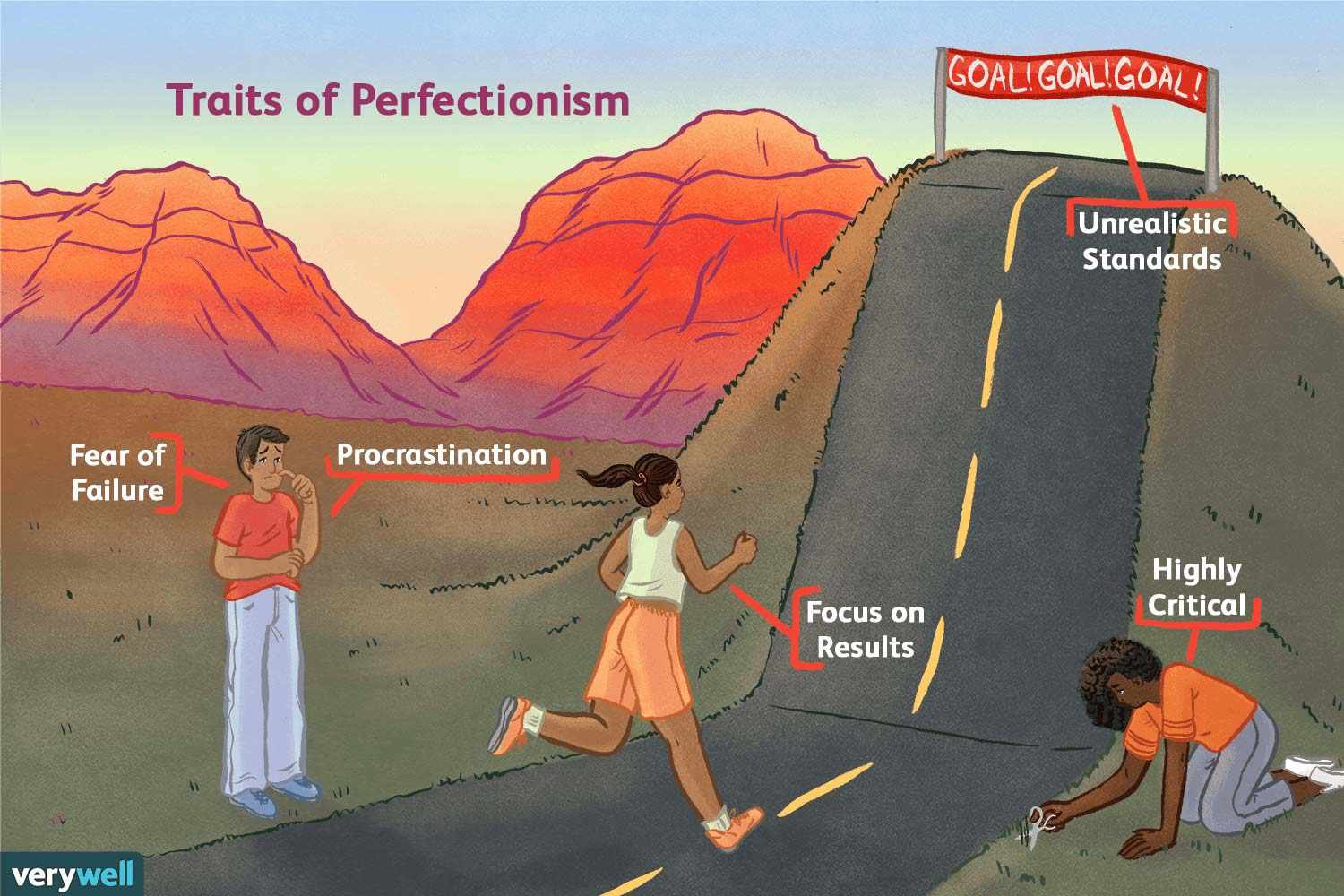
Perfectionism is a multidimensional personality trait characterized by setting excessively high performance standards, accompanied by overly critical self-evaluations and a constant concern over mistakes or imperfections. While the pursuit of...

Procrastination is a widespread phenomenon that affects people across cultures, age groups, and professions. Defined as the voluntary delay of an intended task despite expecting negative consequences, procrastination is not...

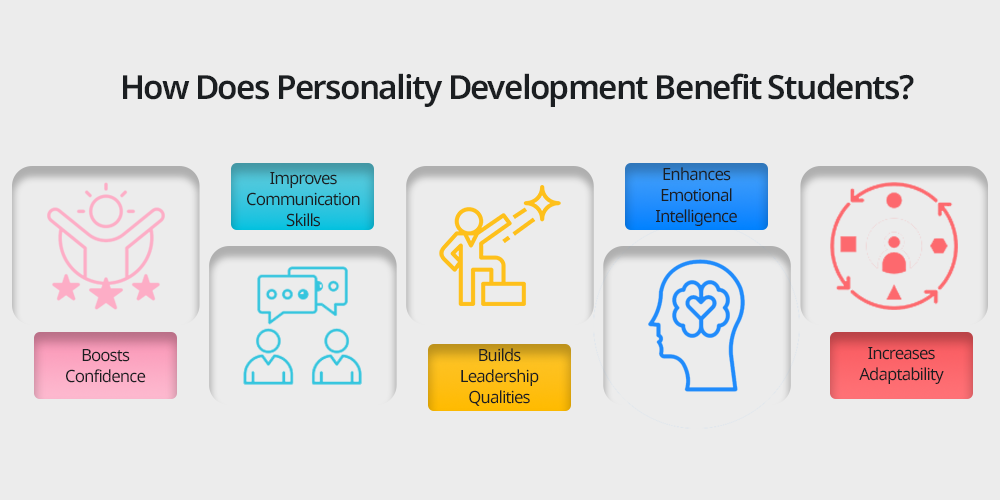
Personal development is a broad and interdisciplinary concept that refers to the conscious pursuit of growth in various aspects of an individual’s life, including psychological, emotional, intellectual, and social domains....

Regret is a complex emotion that arises when we compare what actually happened with what could have happened if we had acted differently. Unlike guilt, which focuses on moral wrongdoing,...

Rumination is the psychological process of repeatedly thinking about the same thoughts—often negative or distressing—without finding a solution. Unlike healthy reflection, rumination traps the mind in a loop, amplifying stress,...

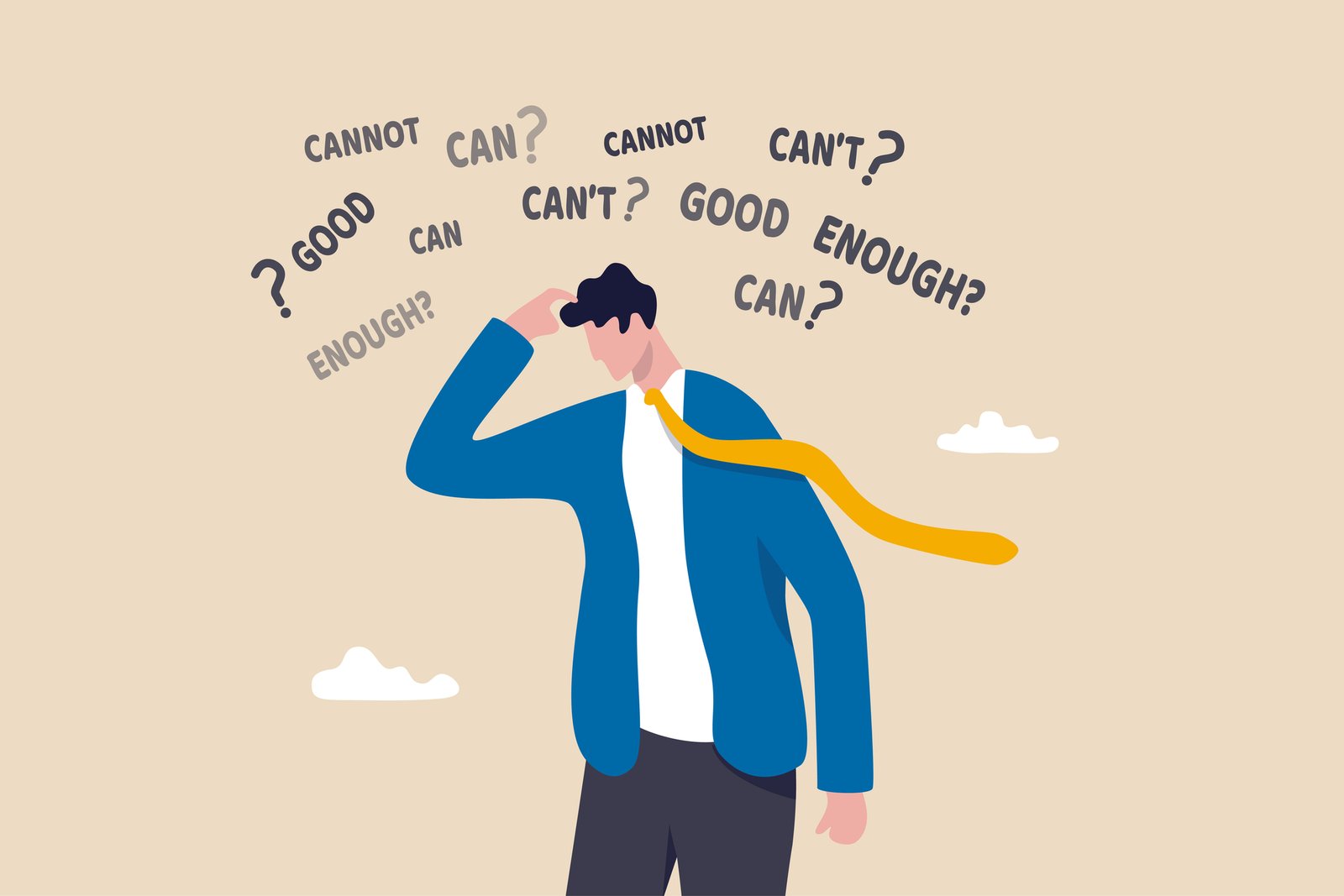
Impostor Syndrome is a psychological pattern where capable and accomplished individuals persistently doubt their skills, talents, or achievements. Despite external evidence of competence, they fear being exposed as a “fraud.”...

Role conflict occurs when an individual faces incompatible demands attached to different social roles they occupy. Each person plays multiple roles—such as employee, parent, partner, student, friend—and these roles come...

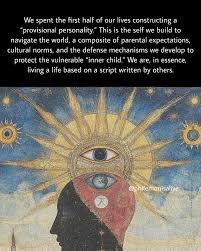
Inner conflict is a psychological state in which a person experiences tension between competing desires, beliefs, or goals. Unlike external conflicts, which are visible and often negotiable, inner conflict is...

In a world obsessed with appearing composed, successful, and unbothered, there exists an unspoken rule: always say you’re “fine.” Whether at work, on social media, or even among close friends,...
Role conflict occurs when an individual faces incompatible demands attached to different social roles they occupy. Each person plays multiple roles—such as employee, parent, partner, student, friend—and these roles come with specific expectations and responsibilities. When these expectations clash, they create psychological tension and stress.
At Famout, we are passionate about quality, innovation, and excellence.
24/7 Support
Subscribe for latest products
© 2024 Famout