
October 15, 2025-
No Comments
The 21st century marks a turning point where psychiatry — once the science of the human mind — now faces a profound question: What happens when the mind itself can...
The 21st century marks a turning point where psychiatry — once the science of the human mind — now faces a profound question: What happens when the mind itself can...
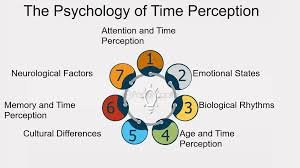
Time, though objective in physics, is profoundly subjective in human experience. The brain does not measure time as a clock does; it constructs it. Every moment we perceive is filtered...

In an age defined by rapid technological change, political instability, climate crisis, and social alienation, the human search for meaning has become more urgent — and more fragile — than...

Perfectionism, long celebrated as a mark of ambition and high standards, has in recent years revealed a far more complex — and often destructive — psychological dimension. While striving for...

In an era of constant connectivity, loneliness has paradoxically become one of the most pervasive and underrecognized public health crises of the 21st century. Despite the proliferation of social media,...
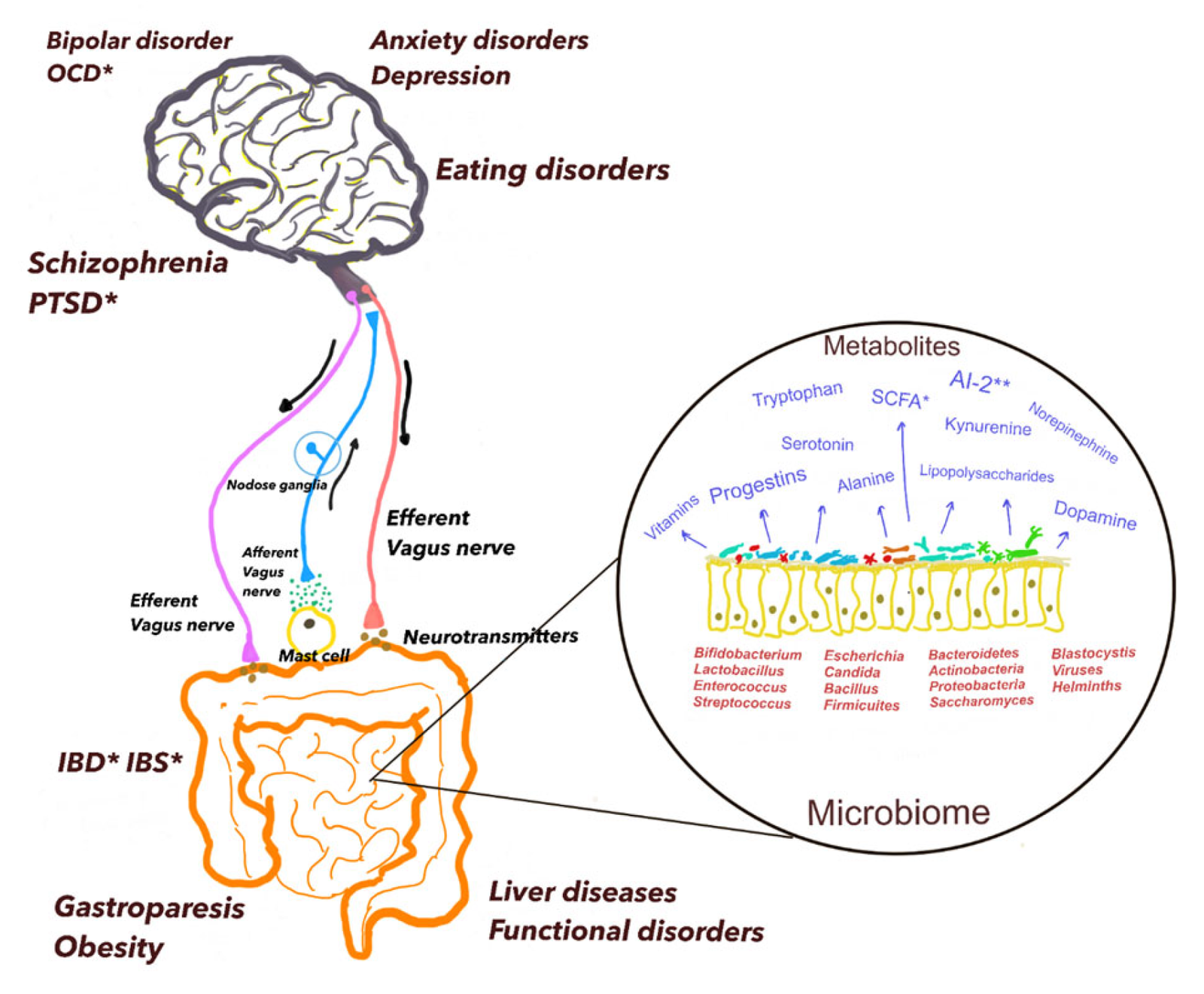
Over the past two decades, neuroscience has undergone a quiet revolution — one that begins not in the brain, but in the gut. Once considered merely a digestive organ, the...
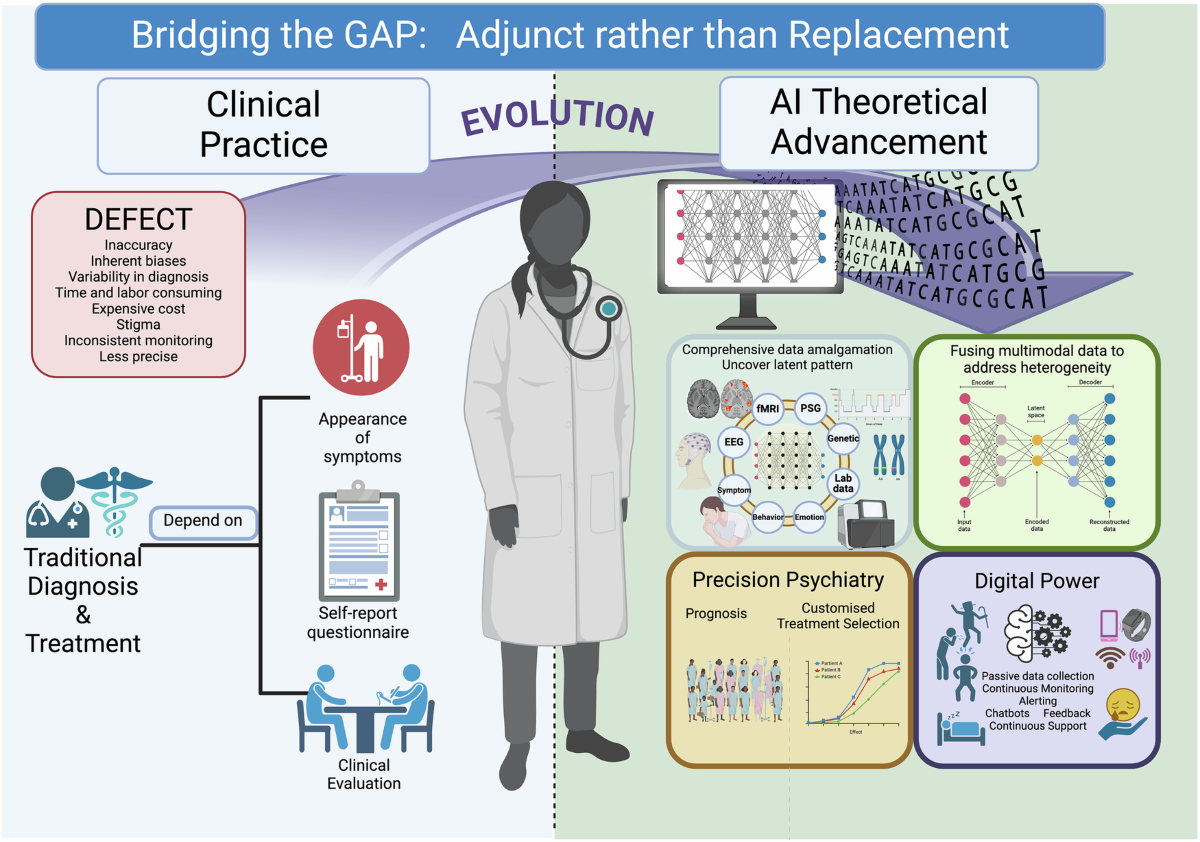
The rapid evolution of artificial intelligence (AI) and digital technologies is transforming nearly every field of medicine — and psychiatry is no exception. Digital psychiatry, a growing discipline at the...
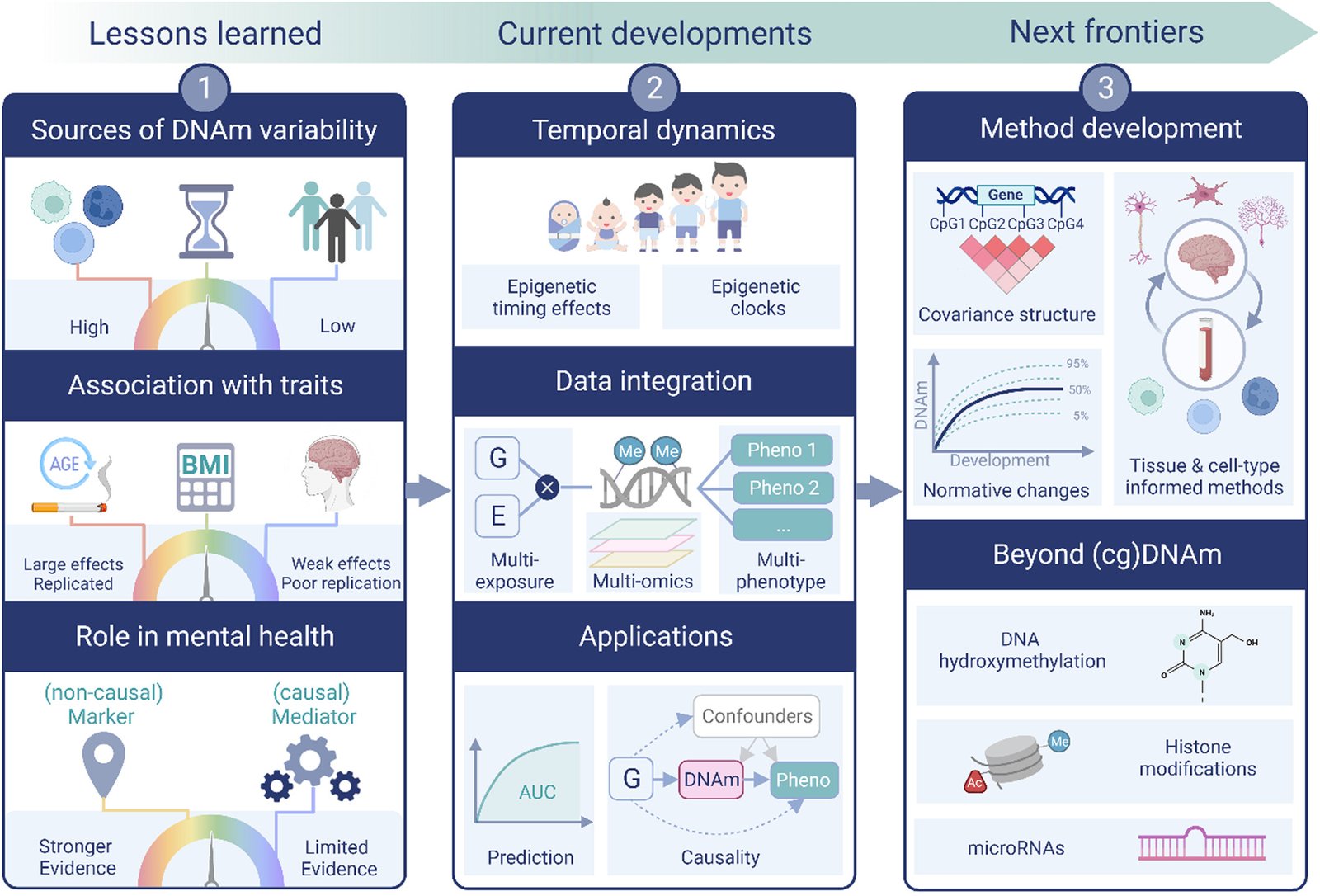
The long-standing debate of nature versus nurture in psychiatry is being reshaped by discoveries in epigenetics—the study of how environmental factors regulate gene expression without altering the DNA sequence itself....

Once relegated to the margins of science due to political and cultural stigma, psychedelics such as psilocybin, LSD, and ayahuasca are now experiencing a renaissance in psychiatric research. Far from...
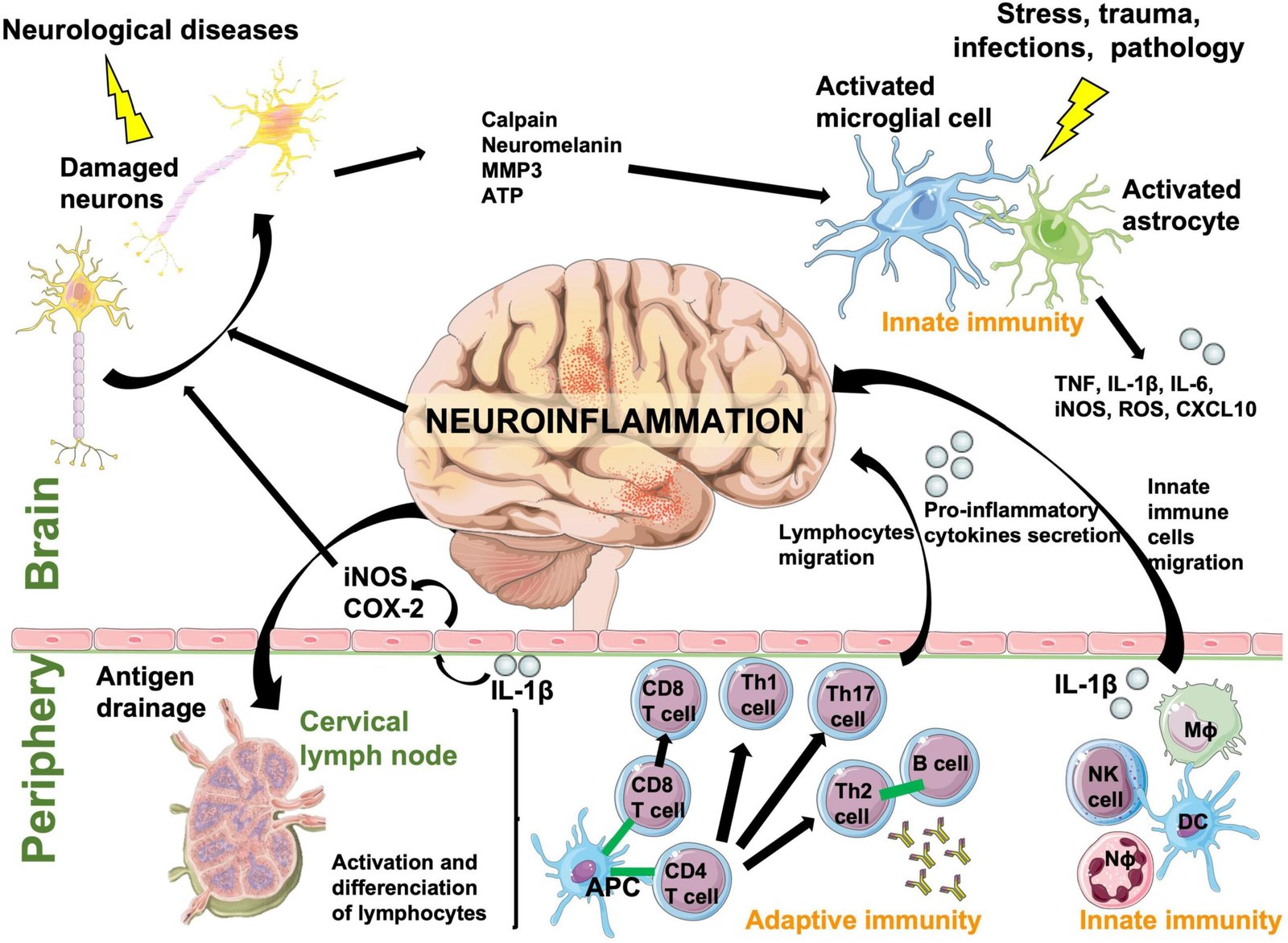
For decades, psychiatric disorders such as depression, schizophrenia, and bipolar disorder were predominantly viewed through the lens of neurotransmitter imbalances. However, mounting evidence reveals that neuroinflammation—the brain’s immune response to...