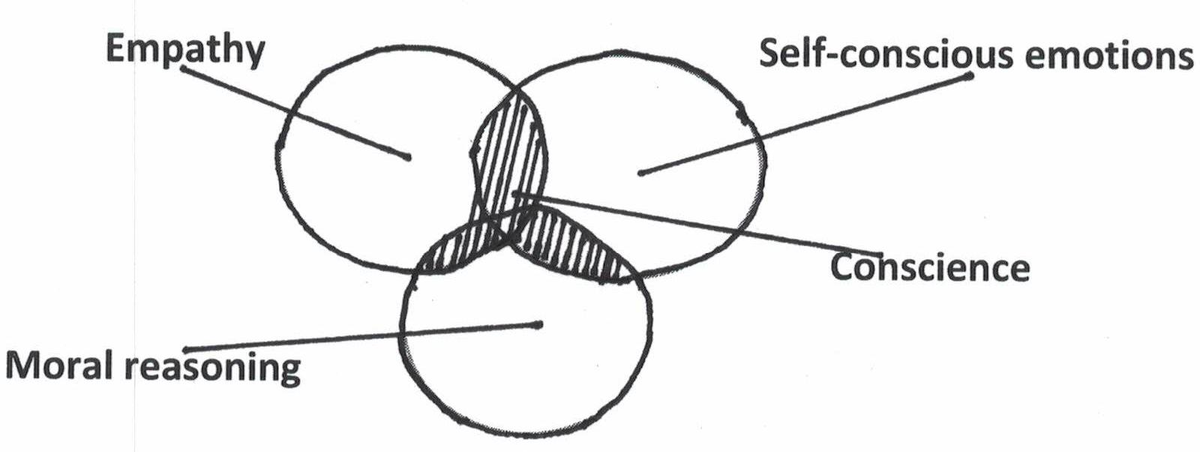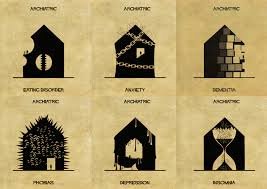
Psychopathy is typically described through behavioral criteria — lack of empathy, superficial charm, impulsivity, manipulativeness — but these traits emerge from a deeper and less discussed phenomenon: the absence or...


Psychopathy is typically described through behavioral criteria — lack of empathy, superficial charm, impulsivity, manipulativeness — but these traits emerge from a deeper and less discussed phenomenon: the absence or...
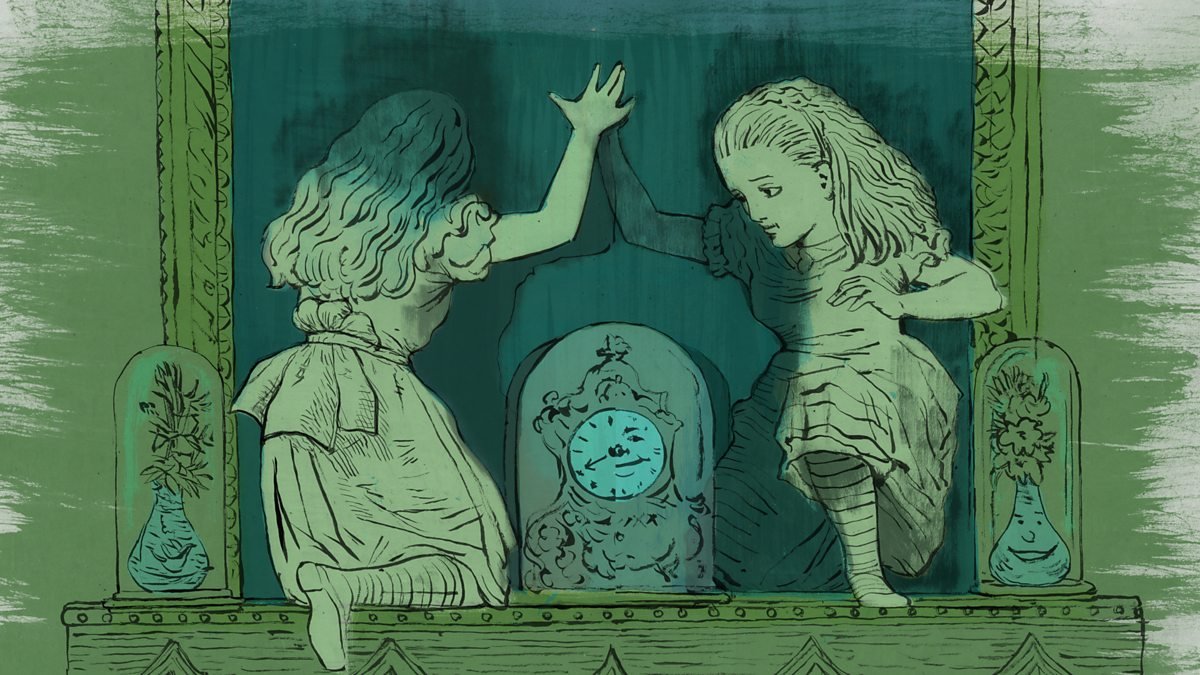
Dissociation is often described as a disruption of memory, identity, or perception, but it is better understood as a complex reorganization of consciousness itself. It is not the mind breaking...

Emotional numbness is not the absence of emotion; it is the mind’s strategic withdrawal from unbearable internal intensity. It is a paradoxical state in which the individual feels too little...

Cotard syndrome is often described as the delusion of being dead, nonexistent, or emptied of organs. But these clinical descriptions barely touch the existential abyss that defines the experience. Cotard...

Empathy did not emerge for kindness.It was not born from love, nor from moral awakening, but from survival — from the simple necessity of predicting another’s behavior in a social...

There are minds that do not speak to themselves.For most of us, life is lived in conversation — a constant dialogue between the “I” that acts and the “I” that...

When the self shatters, it does not vanish. It multiplies, disperses, and hides within the fractures of perception. Schizophrenia, at its deepest, is not the end of consciousness but its...

There are minds that do not merely suffer — they split.Not into madness, but into multiplicity — into too many selves observing the same world from incompatible angles. Schizophrenia is...

Emptiness, once seen as an affliction, reveals itself at last as a horizon — not a void to be crossed but a depth to be understood. The patient who has...

Emptiness is not the absence of experience; it is the experience of absence. It is the silent scream of consciousness when every structure of meaning has dissolved but awareness remains...
Role conflict occurs when an individual faces incompatible demands attached to different social roles they occupy. Each person plays multiple roles—such as employee, parent, partner, student, friend—and these roles come with specific expectations and responsibilities. When these expectations clash, they create psychological tension and stress.
At Famout, we are passionate about quality, innovation, and excellence.
24/7 Support
Subscribe for latest products
© 2024 Famout