January 8, 2026-
No Comments
Anxiety, in its clinical form, is classified as a mental disorder that can significantly impair daily functioning. However, when examined on a broader psychological spectrum, anxiety reveals itself as a...
Anxiety, in its clinical form, is classified as a mental disorder that can significantly impair daily functioning. However, when examined on a broader psychological spectrum, anxiety reveals itself as a...

After the Post-Irreversible Adaptation Void, some individuals enter a phase that is almost never recognized as recovery, because it does not feel like recovery at all. This stage, which can...

After intense Irreversibility Anxiety, some individuals do not return to their previous mental state, yet they also do not deteriorate into psychosis or collapse. Instead, they enter a little-described psychological...

Human psychological stability depends not only on memory, identity, or emotion, but on a largely invisible assumption: the belief that one can return. Return to a previous mental state, return...
In psychiatry, motor inhibition is usually associated with depression, catatonia, or neurological disease. Patients move slowly, speak less, or appear physically constrained. Far less recognized is a condition in which...
Psychiatry often conceptualizes psychosis as a break from reality characterized by false beliefs, hallucinations, or disorganized thought. Far less attention is given to a subtle but clinically significant state that...
Psychiatric literature often assumes that emotional flattening is accompanied by cognitive decline, psychosis, or neurological damage. However, a rarely examined condition exists in which emotional experience fades or disappears while...

Psychiatry traditionally treats time distortion as a secondary symptom—something that appears in depression, mania, trauma, or psychosis. Slowed time in melancholia, accelerated time in mania, or frozen time in trauma...

Modern psychiatry places great emphasis on insight, self-reflection, and narrative coherence. Patients are encouraged to understand their past, articulate their emotions, and construct meaningful personal stories. Yet an underrecognized pathological...
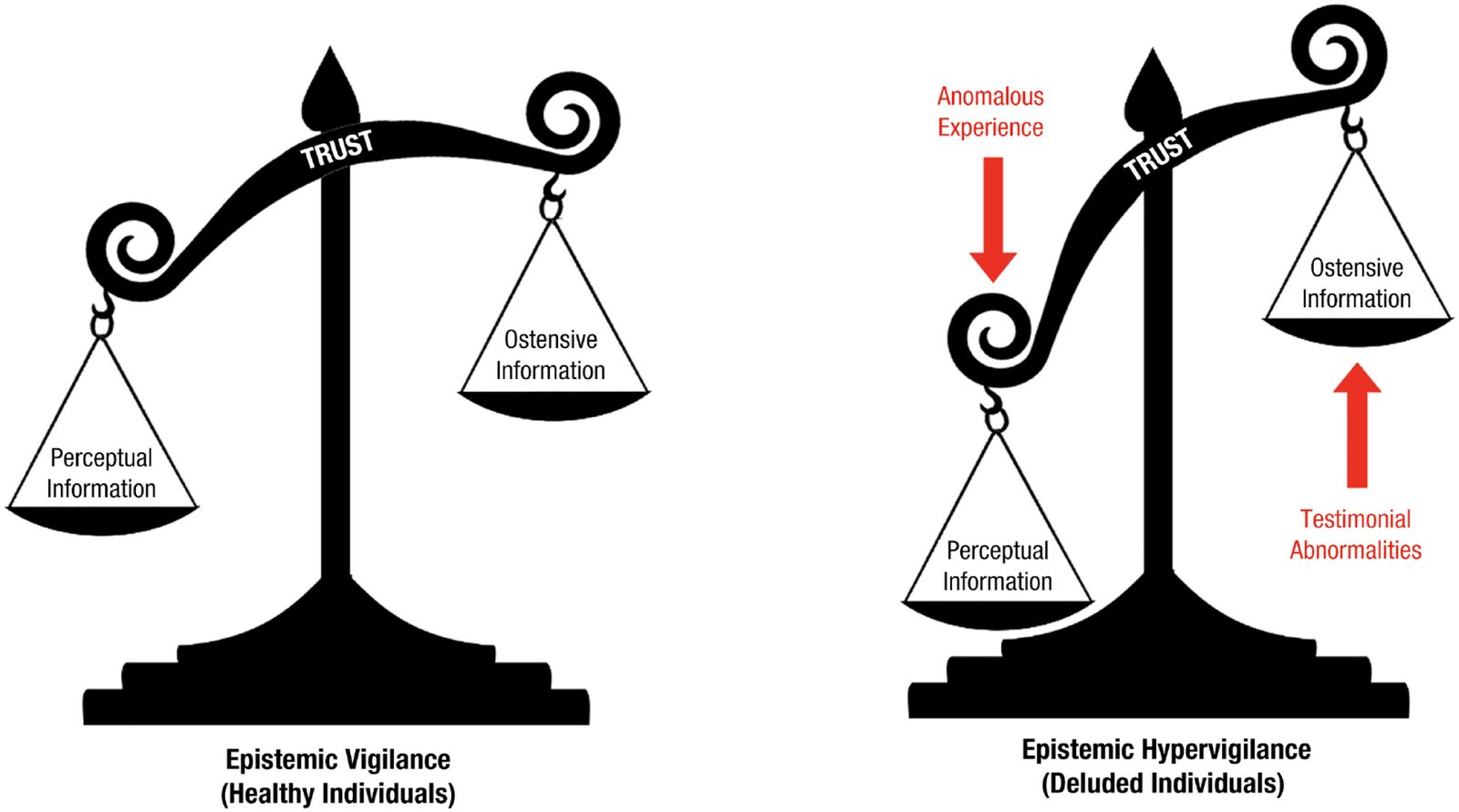
In classical psychiatry, vigilance is often treated as a neutral or even adaptive cognitive function: the capacity to remain alert to relevant stimuli, detect threats, and update beliefs accordingly. However,...