

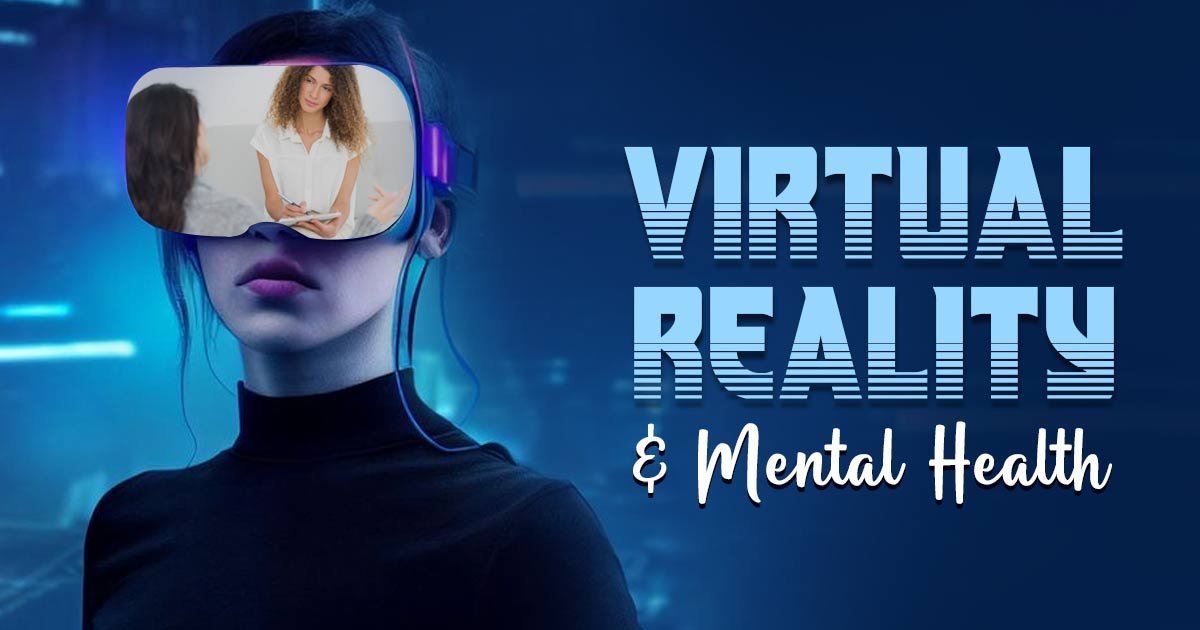
As virtual reality (VR) technology becomes more accessible and widely used, psychologists are beginning to observe a phenomenon known as Virtual Reality Induced Stress. While VR offers immersive experiences for gaming, education, and even therapy, it can also generate disorientation, anxiety, and psychological discomfort for certain users. This condition goes beyond simple motion sickness; it reflects deeper cognitive and emotional challenges associated with living in digitally simulated environments. One of the key causes is sensory conflict. In VR, the brain receives visual and auditory signals that suggest movement or interaction, while the body remains physically still. This mismatch can trigger confusion, nausea, and stress, as the brain struggles to reconcile conflicting information. Over time, repeated exposure may contribute to heightened anxiety, fatigue, and avoidance behaviors. Another factor is the blurring of boundaries between the virtual and the real. Extended immersion in VR environments can alter perception, making individuals feel detached or dissociated from the physical world. For some, this detachment persists after leaving VR, manifesting as difficulty concentrating, feelings of unreality, or increased irritability. Social VR platforms add another layer of complexity: interactions with avatars can trigger social anxiety, fear of judgment, or heightened self-consciousness, similar to but more intense than traditional online communication. VR-induced stress also has physiological impacts. Studies show that prolonged use can elevate heart rate and cortisol levels, reflecting the body’s stress response. In some cases, individuals report nightmares, intrusive thoughts, or heightened sensitivity to real-world environments after intense virtual experiences. These effects are particularly concerning as VR is being adopted not only for entertainment but also for workplaces, military training, and education. Coping strategies include limiting VR exposure time, taking frequent breaks, and gradually building tolerance through shorter sessions. Developers can mitigate risks by designing environments with more natural movement cues, reducing unnecessary visual complexity, and offering customizable comfort settings. On a therapeutic level, VR can still be highly beneficial when carefully managed—helping patients confront phobias, PTSD, or social anxiety in controlled environments. The challenge lies in balancing its potential with its risks. Ultimately, Virtual Reality Induced Stress highlights the psychological consequences of emerging technologies. As the boundary between physical and digital worlds continues to blur, understanding and addressing these effects will be crucial for ensuring that VR enhances human experience without compromising mental well-being.

Digital FOMO (Fear of Missing Out)
In the age of social media and constant connectivity, FOMO—the Fear of Missing Out—has evolved into one of the most widespread psychological challenges. While the concept of missing out has always existed, the digital era has magnified it to unprecedented levels. Platforms like Instagram, TikTok, and Facebook constantly showcase curated snapshots of other people’s lives: vacations, achievements, friendships, and celebrations. For many individuals, these images create a persistent sense of being left behind, excluded, or not living life “fully enough.” Digital FOMO is not just about curiosity—it is rooted in anxiety, insecurity, and social comparison. People affected often feel compelled to check their phones obsessively, fearing they might miss important updates, opportunities, or social interactions. This compulsive checking erodes attention, disrupts sleep, and fosters emotional exhaustion. The irony is that while trying to stay connected, individuals often end up feeling more isolated, as the constant exposure to others’ seemingly perfect lives amplifies feelings of inadequacy. Research shows that high levels of FOMO are linked to anxiety, depression, and reduced life satisfaction. It also correlates with problematic social media use, where individuals spend more time online yet feel less fulfilled. Adolescents and young adults are particularly vulnerable, as peer acceptance and social validation are crucial at this stage of development. However, adults are not immune; professionals may experience career-related FOMO, fearing they are falling behind in skills or opportunities compared to colleagues. Symptoms include compulsive phone use, difficulty disconnecting, heightened stress when offline, and a nagging sense that one’s own life is less meaningful. Over time, digital FOMO can lead to burnout, strained relationships, and diminished mental health. Coping requires both mindset shifts and behavioral changes. Practicing gratitude, focusing on personal achievements, and limiting time on comparison-driven platforms can significantly reduce FOMO’s impact. Mindfulness and digital detox routines help individuals re-engage with the present moment, while cultivating authentic offline relationships provides a stronger sense of belonging. On a larger scale, raising awareness about the curated nature of online content—highlighting that what people post is not the full picture—can reduce unrealistic expectations and ease social pressure. Ultimately, digital FOMO is a mirror of our hyperconnected society, where constant comparison is almost unavoidable. Overcoming it requires learning to value presence over perception and connection over competition, ensuring that technology enhances rather than undermines emotional well-being.

Information Overload Disorder
In today’s hyperconnected world, individuals are constantly bombarded with an unprecedented volume of information—from news updates and social media feeds to emails, notifications, and endless online content. While access to information is a hallmark of progress, it has also led to a modern psychological challenge known as Information Overload Disorder. This condition describes the cognitive and emotional strain that arises when the brain is overwhelmed by excessive data, making it difficult to process, prioritize, and act effectively. Information overload is not merely an inconvenience; it has measurable consequences for mental health. When faced with too much information, individuals often experience decision paralysis, heightened anxiety, and decreased productivity. The human brain, designed to filter and focus on limited inputs, becomes overstimulated by the constant flood of digital content. This leads to fatigue, irritability, and a reduced capacity for deep thinking. Over time, chronic exposure to information overload can impair memory, concentration, and problem-solving abilities. One of the key drivers of this disorder is the digital ecosystem itself. Social media platforms, news outlets, and online services compete for attention, using algorithms designed to maximize engagement. As a result, users are drawn into endless scrolling and constant consumption, often without realizing the toll it takes on their psychological balance. The 24/7 news cycle, amplified by global crises and real-time updates, further fuels feelings of stress and helplessness. Symptoms of information overload include difficulty focusing, restlessness, disrupted sleep, emotional exhaustion, and an inability to distinguish between important and trivial information. In severe cases, individuals may withdraw from responsibilities, avoid decision-making altogether, or develop anxiety disorders linked to constant digital overstimulation. Coping with information overload requires intentional strategies. On a personal level, practices such as digital minimalism, scheduled “information fasts,” and prioritizing quality over quantity in content consumption can help restore mental clarity. Mindfulness and meditation techniques also improve cognitive resilience, allowing the brain to recover from overstimulation. At an organizational and societal level, promoting digital literacy and creating healthier online environments are crucial steps in reducing the burden of information overload. Ultimately, Information Overload Disorder is a reflection of our time: while knowledge is more accessible than ever, too much of it can harm rather than help. By learning to manage the flow of information and reclaim control over attention, individuals can protect their mental health and regain the ability to think clearly in an age of overwhelming digital noise.

Cyberchondria
In the digital age, access to health information has never been easier—but this convenience has also given rise to a modern psychological issue known as cyberchondria. This condition refers to the compulsive tendency to search for medical information online, often leading to heightened anxiety and unnecessary distress about one’s health. While occasional online searches can be informative, individuals with cyberchondria fall into repetitive patterns of checking symptoms, comparing potential diagnoses, and spiraling into worst-case scenarios. The problem lies in the overwhelming volume and inconsistency of online health information. Search engines frequently highlight serious or rare conditions, reinforcing catastrophic thinking. For example, a simple headache might lead an anxious individual to suspect a brain tumor after reading online sources. This cycle of searching, worrying, and searching again creates a feedback loop that strengthens health-related anxiety rather than easing it. Cyberchondria is closely related to health anxiety and obsessive-compulsive tendencies. People experiencing it often feel temporary reassurance after checking medical websites, only to experience renewed doubt and fear soon after. This cycle can significantly disrupt daily life, causing sleep problems, loss of concentration, and even avoidance of medical professionals due to fear of bad news. Ironically, the reliance on online information often delays proper medical consultation, which may worsen genuine health conditions. Symptoms of cyberchondria include excessive time spent on medical websites, compulsive checking of symptom lists, difficulty trusting healthcare professionals, and heightened physical sensitivity—where normal bodily sensations are misinterpreted as signs of illness. Over time, this can lead to depression, chronic stress, and strained relationships, as the individual’s constant health worries affect family and social life. Addressing cyberchondria requires both behavioral and psychological strategies. Cognitive-behavioral therapy (CBT) has been shown to help individuals reframe catastrophic thinking and reduce compulsive searching. Setting boundaries on internet use, practicing mindfulness, and cultivating trust in healthcare professionals are also crucial. On a broader scale, promoting digital health literacy and improving the accuracy of online medical information could mitigate the rise of this condition. Ultimately, cyberchondria reflects the paradox of modern information access: the same technology that empowers people with knowledge can also overwhelm and destabilize mental well-being. Striking a balance between informed self-care and professional medical guidance is essential to prevent anxiety from overshadowing health itself.
Zoom Fatigue
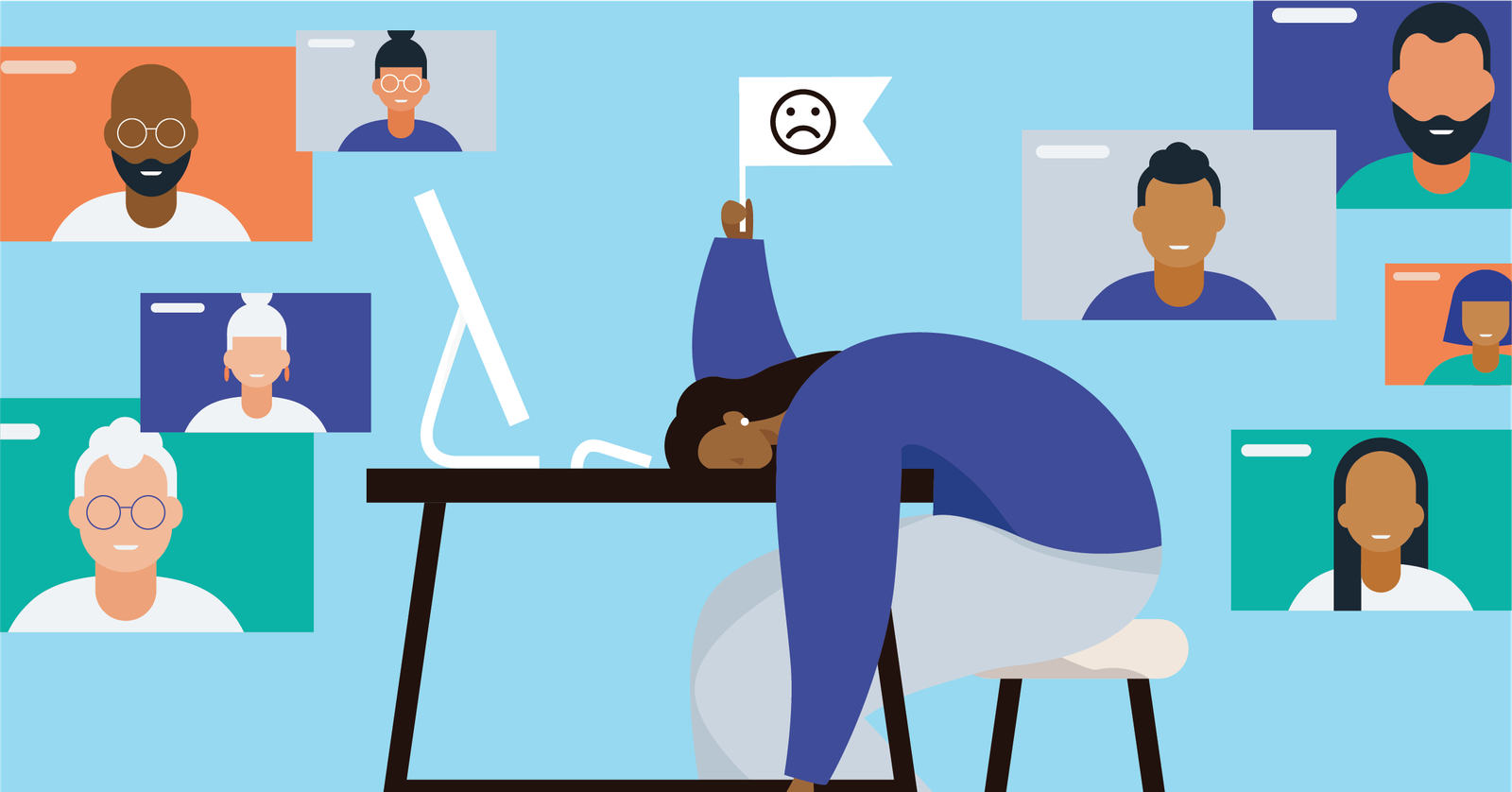
With the rise of remote work, online learning, and digital meetings, many people have begun to experience what psychologists call Zoom Fatigue—a unique form of exhaustion caused by prolonged video conferencing. Unlike traditional face-to-face interactions, virtual meetings require constant attention, heightened self-awareness, and an unnatural intensity of focus that drains cognitive and emotional energy more quickly. One major factor is the always-on camera effect. Being constantly aware of one’s appearance during meetings increases self-consciousness, similar to performing in front of a mirror. This creates additional stress that does not exist in offline interactions. At the same time, video calls limit natural body language cues, forcing the brain to work harder to interpret micro-expressions, tone, and gestures through a screen. This sustained cognitive effort contributes to mental fatigue and irritability. Another challenge is the lack of physical movement. In traditional office settings, people walk between meeting rooms or take natural breaks. In virtual environments, meetings often run back-to-back, leaving participants sedentary for hours. Over time, this not only harms mental focus but also causes physical discomfort, such as eye strain, headaches, and neck pain. Zoom fatigue also arises from digital overload. When work, education, and socialization all occur through the same screen, the boundaries between professional and personal life blur. People feel trapped in an endless cycle of virtual presence, where disengaging feels nearly impossible. This has been particularly challenging for students and remote workers, who may spend the majority of their day in front of a webcam. Symptoms include lack of concentration, irritability, emotional numbness, and a sense of dread before logging into yet another call. Left unaddressed, Zoom fatigue can contribute to broader conditions such as burnout, anxiety, and social withdrawal. Coping strategies include limiting unnecessary video meetings, encouraging “audio-only” calls when appropriate, scheduling regular screen breaks, and using tools such as standing desks or blue-light filters to reduce strain. On an organizational level, companies and schools must adopt healthier digital meeting practices—such as shorter sessions, built-in breaks, and clearer boundaries between online and offline time. Ultimately, Zoom fatigue is a reminder that while technology enables connection, it cannot fully replace the richness of human interaction. To protect mental health, individuals and institutions must reimagine digital communication in ways that promote balance, rest, and genuine connection rather than constant performance.

Toxic Productivity
In recent years, the idea of constant self-improvement and relentless achievement has given rise to what psychologists call toxic productivity. Unlike healthy motivation, which inspires people to reach their goals while maintaining balance, toxic productivity refers to the compulsive need to always be busy, accomplish more, and maximize efficiency—even at the expense of mental health, relationships, and rest. This phenomenon is deeply rooted in modern “hustle culture,” where success is measured by output, and rest is stigmatized as laziness. People struggling with toxic productivity often find it difficult to take breaks or enjoy leisure without feeling guilty. They may equate their self-worth entirely with how much they achieve in a day, leading to anxiety, exhaustion, and an endless cycle of dissatisfaction. Ironically, despite working longer hours, their productivity often declines over time due to burnout, lack of creativity, and mental fatigue. Social media amplifies the issue by promoting unrealistic images of constant achievement. Influencers, entrepreneurs, and even peers share curated snapshots of their success, reinforcing the belief that one must always be working, learning, or “grinding” to stay relevant. This comparison trap fosters feelings of inadequacy and fuels overcommitment. Symptoms of toxic productivity include chronic stress, inability to relax, neglect of personal relationships, disrupted sleep, and eventual burnout. Some individuals also experience what is known as productivity guilt—a nagging sense of failure when they are not actively working toward a goal. Over time, this can lead to depression, anxiety disorders, and diminished overall life satisfaction. Breaking free from toxic productivity requires redefining success and learning to value rest as much as effort. Practicing self-compassion, setting realistic goals, and establishing work-life boundaries are essential steps. Mindfulness and time management techniques can also help individuals prioritize meaningful tasks over endless to-do lists. On a broader scale, organizations must challenge the culture of overwork by promoting sustainable work practices, encouraging downtime, and recognizing that well-rested employees are more creative, engaged, and productive. Ultimately, toxic productivity reflects a deeper societal problem: the glorification of busyness over balance. To protect mental health in the modern age, individuals and communities must shift their perspective from “doing more” to “living well,” embracing a healthier relationship with work, rest, and self-worth.

Techno-Stress
As digital technologies continue to dominate daily life, a growing number of people are experiencing techno-stress—a form of psychological strain caused by the overuse of digital devices, constant connectivity, and the rapid pace of technological change. Unlike traditional stressors, techno-stress emerges specifically from interactions with computers, smartphones, social media, and online communication tools. It is increasingly recognized as a modern mental health challenge, affecting both professional and personal well-being. The roots of techno-stress are multifaceted. On one level, individuals feel pressured to remain constantly available through emails, messages, and notifications, blurring the line between work and rest. Remote work and “always-on” culture intensify this effect, as employees may feel guilty or anxious when they disconnect. On another level, the constant updates, new apps, and evolving platforms create a sense of digital overload, making people feel they can never fully keep up. This continuous cycle often leads to anxiety, fatigue, reduced productivity, and even burnout. Symptoms of techno-stress include difficulty concentrating, irritability, sleep disruption, eye strain, and an overwhelming sense of digital fatigue. In some cases, individuals develop digital dependency, where they compulsively check their phones or social media even when it interrupts work, family time, or rest. Over the long term, this can erode attention span, damage relationships, and increase risks of anxiety and depression. Coping with techno-stress requires both personal strategies and systemic changes. On an individual level, setting screen-free hours, turning off non-essential notifications, practicing mindfulness, and engaging in offline activities are effective steps. Physical strategies—such as limiting screen brightness, taking regular breaks, and maintaining proper posture—can also reduce physical strain. However, long-term solutions also depend on organizations and policymakers. Companies can establish healthier communication norms, such as limiting after-hours emails, while schools and governments can promote digital literacy and responsible technology use. Ultimately, techno-stress highlights the paradox of modern technology: while digital tools bring convenience, efficiency, and connection, they also introduce pressures that challenge mental balance. Developing a mindful, controlled relationship with technology is essential for reducing digital overload and protecting psychological health in a world where screens are inescapable.

Revenge Bedtime Procrastination
In recent years, psychologists have identified a curious and increasingly common behavior known as revenge bedtime procrastination. This phenomenon occurs when individuals deliberately delay going to sleep, even when they are aware that it will result in fatigue the next day. Unlike typical insomnia, which stems from an inability to fall asleep, bedtime procrastination is an intentional choice—often made by people who feel they lack control over their daytime schedules. By staying up late scrolling on phones, watching series, or engaging in leisure activities, individuals reclaim a sense of personal freedom that their work or academic obligations deny them. The term “revenge” highlights the subconscious rebellion against demanding lifestyles. People who experience this pattern often say that nighttime is the only moment they have for themselves, away from responsibilities and expectations. Unfortunately, this short-term psychological reward comes at the expense of long-term well-being. Chronic sleep deprivation contributes to cognitive decline, irritability, weakened immune function, increased risk of depression, and higher susceptibility to anxiety disorders. Technology amplifies the problem. Smartphones and social media platforms are designed to capture attention, making it harder to disconnect when bedtime arrives. The blue light from screens also interferes with melatonin production, delaying natural sleep cycles. Young adults, students, and professionals working long or irregular hours are among the groups most affected. Addressing revenge bedtime procrastination requires both behavioral adjustments and lifestyle changes. Establishing consistent sleep routines, setting screen-time limits, and practicing relaxation techniques before bed can help. On a deeper level, however, the issue reflects a societal imbalance: when individuals feel overworked, overstressed, or deprived of leisure during the day, they sacrifice rest to regain a sense of autonomy. For this reason, solutions must also involve improving work-life balance, reducing overwork culture, and acknowledging the importance of restorative downtime in daily life. Ultimately, revenge bedtime procrastination is not simply a matter of poor discipline—it is a psychological response to modern pressures. By understanding its roots and addressing both individual habits and structural causes, people can move toward healthier routines that protect both mental and physical health.

Workplace Burnout in the Modern Era
Workplace burnout has become one of the defining psychological issues of the 21st century, especially as professional environments grow more competitive, fast-paced, and digitally connected. Burnout is more than simple tiredness—it is a state of chronic physical and emotional exhaustion, accompanied by feelings of cynicism, detachment, and reduced professional efficacy. The World Health Organization officially recognized burnout as an occupational phenomenon, highlighting its prevalence and the urgent need to address it. Modern workplace structures often blur the boundary between professional and personal life. Remote work and constant digital connectivity mean that employees are expected to be available around the clock, responding to emails, messages, and deadlines far beyond typical office hours. Over time, this erodes rest, reduces recovery, and creates an ongoing cycle of stress. Symptoms of burnout include fatigue that does not improve with sleep, irritability, declining productivity, loss of motivation, and even physical health problems such as headaches, insomnia, and weakened immunity. Psychologically, burnout often overlaps with depression and anxiety, though it has unique features tied to occupational stress. Employees experiencing burnout may feel disconnected from their work, undervalued by their organizations, or hopeless about their future career trajectory. In severe cases, burnout can lead to complete withdrawal from professional responsibilities, long-term absenteeism, or career changes. The causes are multifaceted: excessive workload, lack of autonomy, unclear expectations, poor management, and insufficient social support all contribute. The rise of “hustle culture” and glorification of overwork have further normalized unhealthy work practices, making individuals believe that rest is a weakness rather than a necessity. Addressing burnout requires both individual and systemic interventions. On a personal level, strategies include setting boundaries, practicing stress management techniques, engaging in restorative activities like exercise or mindfulness, and seeking therapy when necessary. However, the responsibility cannot fall solely on individuals. Employers play a crucial role by promoting a healthier work-life balance, fostering supportive leadership, providing mental health resources, and restructuring workloads to be more sustainable. Ultimately, workplace burnout reflects a cultural and organizational issue rather than a personal failure. By rethinking how we define productivity and success, societies and organizations can build environments where mental well-being is prioritized, ensuring that work enhances life rather than depletes it.
Social Media Addiction
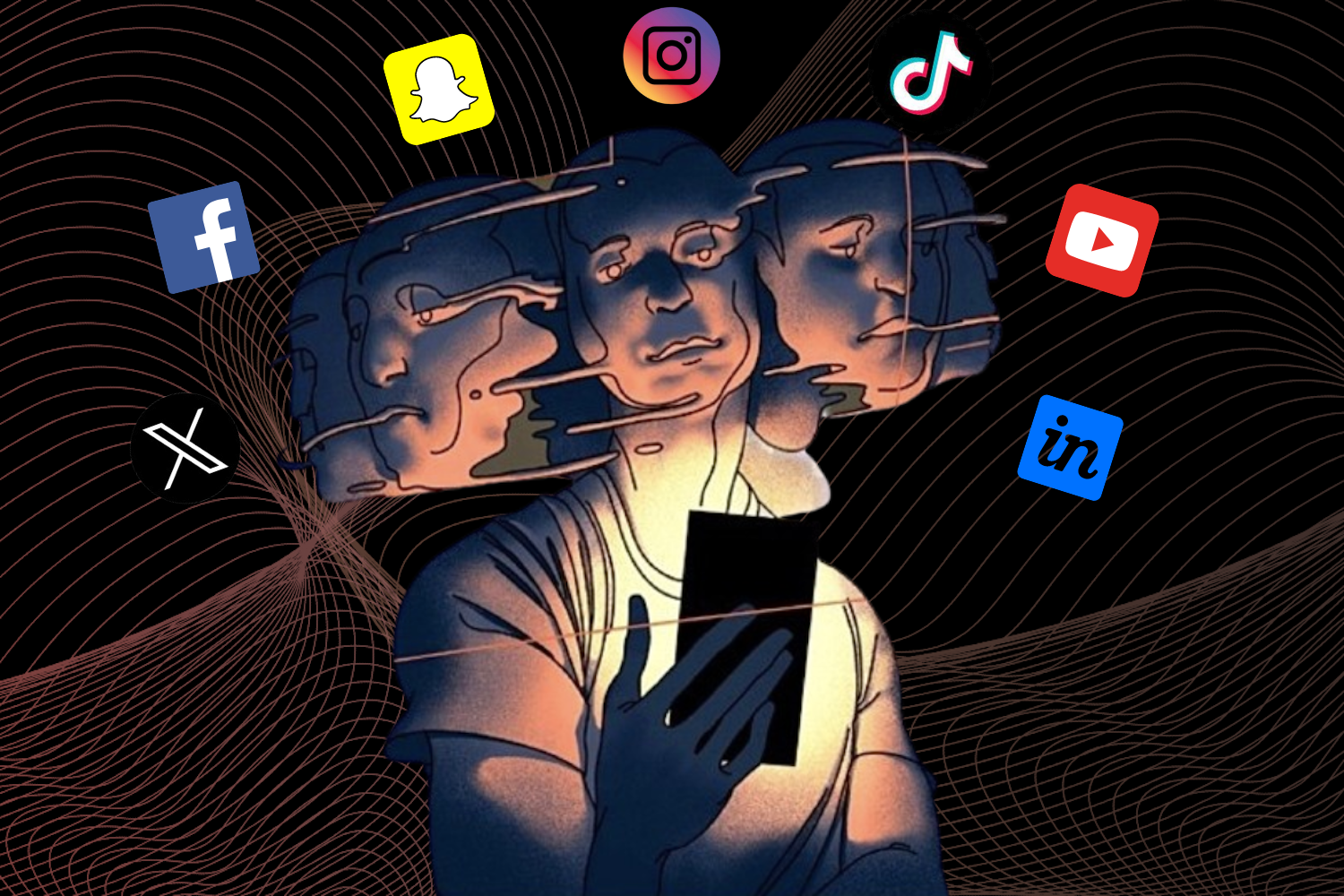
In the digital era, social media platforms have become central to communication, entertainment, and identity formation. However, for many individuals, the excessive use of these platforms has developed into social media addiction, a behavioral condition characterized by compulsive engagement with online networks despite negative consequences. Unlike casual use, addiction is marked by a loss of control—users spend more time scrolling, posting, and seeking validation than they intend to, often at the expense of work, studies, sleep, or real-world relationships. The psychological mechanisms behind social media addiction are deeply rooted in the brain’s reward system. Each notification, like, or comment provides a small dopamine release, reinforcing the urge to return repeatedly. Over time, this cycle conditions individuals to prioritize virtual approval over intrinsic satisfaction, creating dependency. Symptoms include anxiety when unable to access social media, neglect of offline responsibilities, reduced attention span, and feelings of inadequacy fueled by constant social comparison. Research has linked excessive social media use to depression, loneliness, and increased risk of body image disorders, particularly among adolescents and young adults. The curated, idealized lives portrayed online can intensify feelings of failure or isolation, while the constant exposure to news and global events can trigger stress and hopelessness. Addressing social media addiction requires conscious digital boundaries. Strategies include setting daily screen-time limits, turning off push notifications, engaging in regular “digital detoxes,” and replacing online habits with offline activities like exercise, hobbies, or face-to-face interactions. On a wider level, schools and workplaces can promote digital literacy, while policymakers and tech companies are increasingly called upon to design healthier digital environments that discourage manipulative engagement loops. Ultimately, social media addiction is not just about time spent online but about the psychological costs of constant connectivity. Developing mindful and balanced digital habits is essential for protecting mental health in a world where virtual life increasingly competes with real life.