


Relationships are one of the most important foundations of human life. Yet, every partnership inevitably faces ups and downs. When conflicts are left unresolved, even small disagreements can grow into communication breakdowns, loss of trust, and emotional distance. At this point, couples therapy becomes a powerful tool to repair, strengthen, and rebuild the bond between partners. Couples therapy is not only for those in crisis but also for couples who wish to build healthier, more balanced, and fulfilling relationships. During therapy, partners—guided by a trained professional—begin to better understand both their individual needs and the shared needs of the relationship. One of the central goals of therapy is to develop healthy communication skills. Many relationship problems stem not from a lack of love but from misunderstandings or the feeling of not being heard. Therapists help partners listen actively, empathize more deeply, and express emotions constructively. Another key aspect of couples therapy is learning conflict resolution skills. Disagreements are inevitable in any relationship, but the way they are handled determines whether they are destructive or constructive. In therapy, couples practice avoiding blame, focusing on shared solutions, and respecting differences. This approach strengthens trust and mutual respect within the relationship. A further benefit of therapy is the opportunity to rediscover emotional connection. The stress of daily life, work responsibilities, and external pressures often cause couples to drift apart emotionally. Couples therapy provides a safe space to rebuild closeness, reignite affection, and restore intimacy. This process often allows couples to reconnect with the warmth and passion that brought them together in the first place. Couples therapy also enhances self-awareness. Partners gain insight into how their own behaviors, communication styles, and even past experiences influence the relationship dynamic. This personal growth not only benefits the individual but also contributes to building a stronger and more resilient partnership. In the end, couples therapy is not merely about solving immediate problems—it is about creating a healthier, more understanding, and more loving relationship. Whether facing a major crisis or simply seeking to strengthen the bond, couples therapy offers valuable guidance for building long-lasting, fulfilling connections.

Self-Discipline in Daily Life
Self-discipline is often described as the bridge between goals and accomplishments. While motivation provides the initial spark to start something new, it is self-discipline that sustains progress when enthusiasm fades. In today’s fast-paced world full of distractions, developing strong discipline is one of the most valuable skills for personal growth, productivity, and long-term success. At its core, self-discipline is the ability to control impulses, stay focused on priorities, and consistently take action despite challenges or temptations. Many people mistakenly believe discipline is about rigid restriction, but in reality, it is about freedom—the freedom to shape one’s life intentionally rather than being controlled by habits, moods, or external influences. One important aspect of self-discipline is delayed gratification. The ability to resist immediate pleasure for the sake of long-term rewards is a common trait among successful individuals. Classic psychological studies, such as the “marshmallow experiment,” demonstrated that children who waited for a bigger reward later tended to have better outcomes in adulthood. This principle applies to everyday life: choosing to study instead of scrolling social media, saving money instead of overspending, or exercising rather than staying on the couch are all examples of delayed gratification in practice. Building self-discipline requires structure and consistency. Simple habits such as creating daily routines, setting clear goals, and breaking tasks into manageable steps help reduce decision fatigue and increase focus. By making positive behaviors automatic, individuals rely less on fluctuating willpower. For example, preparing healthy meals in advance or scheduling specific work hours reduces the chance of falling into unproductive habits. Another crucial factor is self-awareness. Recognizing personal weaknesses and triggers allows people to design strategies that minimize distractions. For instance, someone who struggles with concentration may use tools like the Pomodoro technique, or someone who overspends might set up automatic savings to avoid temptation. Discipline is not about being perfect but about creating systems that make good choices easier and bad choices harder. Resilience also strengthens discipline. There will inevitably be days of failure or inconsistency, but disciplined individuals don’t abandon their goals when they stumble. Instead, they reflect, adjust, and return to their routine. Over time, these small recoveries build mental toughness and reinforce the habit of persistence. Ultimately, self-discipline is less about restriction and more about empowerment. It provides the foundation for achieving personal, academic, and professional goals, while also enhancing confidence and well-being. By practicing delayed gratification, creating supportive routines, and maintaining resilience, anyone can cultivate discipline that transforms aspirations into lasting success.
Resilience and Motivation After Failure
Failure is an inevitable part of life, yet the way individuals respond to it often determines their long-term success and well-being. For some, failure leads to discouragement, self-doubt, and avoidance of future challenges. For others, it becomes a powerful motivator, fueling growth and resilience. Psychologists emphasize that resilience—the ability to recover and adapt after setbacks—is not a fixed trait but a skill that can be developed. Understanding how to turn failure into motivation is crucial for achieving lasting progress. One of the first steps in building resilience is reframing failure. Instead of viewing mistakes as permanent defeats, resilient individuals see them as temporary setbacks and opportunities for learning. This mindset shift, often described as adopting a growth mindset, reduces the fear of failure and encourages experimentation. When people recognize that skills and abilities can be improved through effort, they are more likely to persist despite obstacles. Emotional regulation also plays a key role. Failure often brings feelings of disappointment, shame, or frustration. Without healthy coping strategies, these emotions can lead to avoidance and loss of motivation. Practices such as mindfulness, journaling, or talking with supportive friends help individuals process emotions without being overwhelmed by them. By acknowledging feelings while maintaining perspective, people can move forward instead of getting stuck in negativity. Another important factor is self-compassion. Many individuals respond to failure with harsh self-criticism, which only deepens discouragement. Resilient people, however, treat themselves with kindness, recognizing that mistakes are part of the human experience. Research shows that self-compassion not only reduces stress but also enhances motivation, because individuals are more willing to try again when they are not paralyzed by guilt or shame. Practical strategies can also support resilience. Setting small, achievable goals after a setback helps rebuild confidence and momentum. Reflecting on what went wrong, identifying controllable factors, and adjusting strategies turn failure into a constructive learning process. Seeking feedback, mentorship, or new perspectives can also provide valuable insights that transform challenges into stepping stones for improvement. Finally, resilient individuals draw strength from purpose. When setbacks are connected to larger goals or values—whether personal growth, contributing to others, or pursuing a meaningful career—failure feels less like an endpoint and more like part of a journey. This sense of purpose sustains motivation even in the face of repeated obstacles. Ultimately, resilience after failure is about transforming setbacks into fuel for growth. By reframing mistakes, regulating emotions, practicing self-compassion, and staying connected to meaningful goals, individuals can turn discouragement into determination. Failure is not the opposite of success—it is often the foundation on which success is built.
Overcoming Procrastination: Building Lasting Motivation
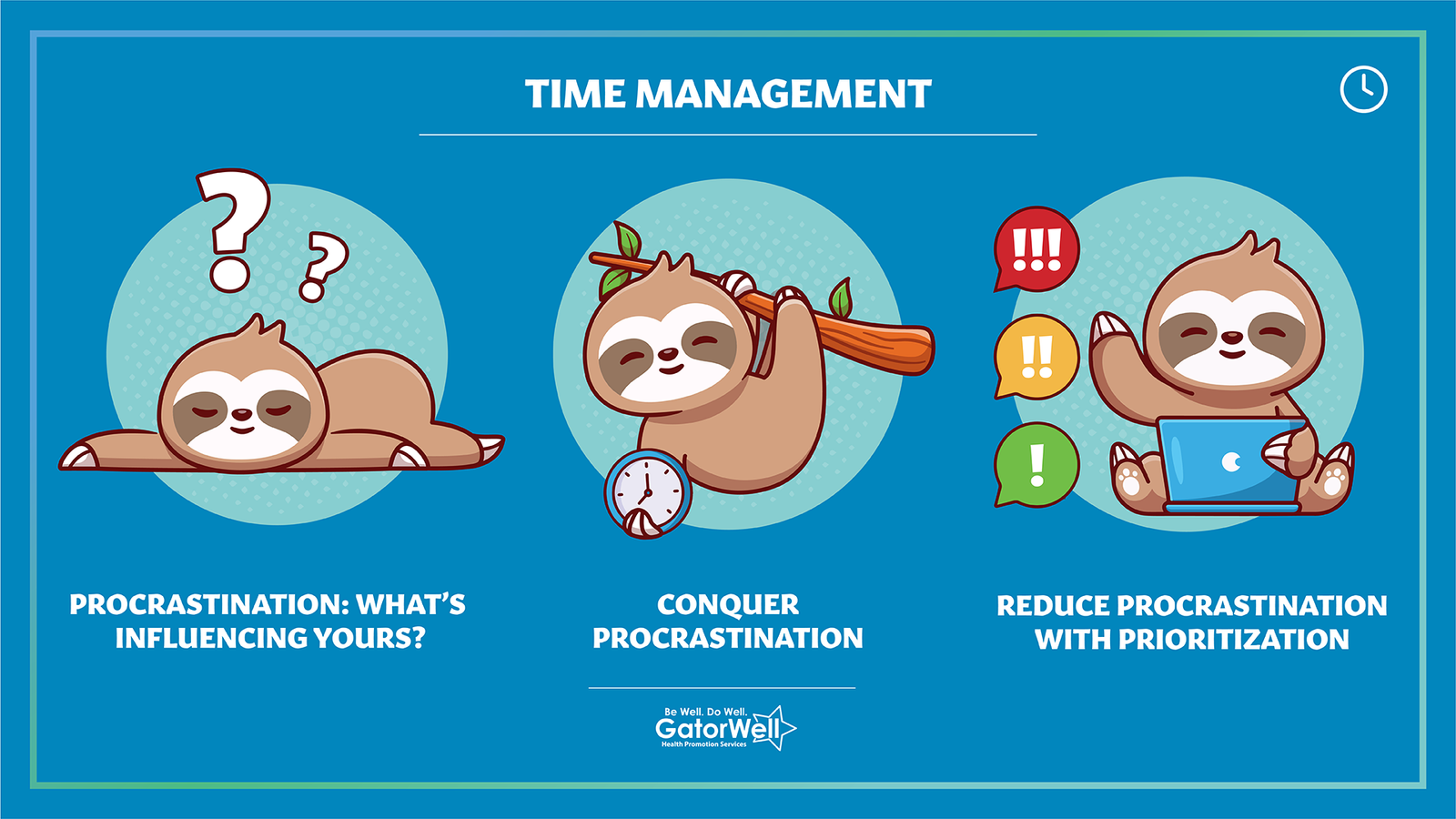
Procrastination—the act of delaying tasks despite knowing their importance—is one of the biggest challenges to motivation in modern life. Almost everyone has experienced putting off responsibilities in favor of easier, more enjoyable distractions, but chronic procrastination can damage productivity, self-esteem, and mental health. Psychologists view it not simply as laziness, but as a complex emotional regulation problem: people procrastinate to avoid negative emotions such as fear of failure, perfectionism, or overwhelm. Understanding these roots is the first step toward overcoming the cycle. One of the main reasons people procrastinate is task aversion. If a task feels boring, difficult, or emotionally heavy, the brain naturally seeks to escape it. This escape often takes the form of quick rewards—scrolling through social media, watching videos, or doing smaller, less important tasks. While these diversions provide temporary relief, they create guilt and stress later, reinforcing the cycle of avoidance. Another powerful factor is perfectionism. When individuals fear not performing perfectly, they delay starting, believing they must wait for the “right time.” Ironically, this fear of imperfection often leads to rushed, incomplete, or abandoned work. Overcoming procrastination requires addressing both mindset and behavior. One effective approach is the “two-minute rule.” By committing to work on a task for just two minutes, individuals reduce mental resistance and often end up continuing beyond that point. Breaking tasks into smaller, manageable steps also makes them less intimidating and more achievable. Another helpful method is using time-blocking or the Pomodoro technique, where focused work sessions are followed by short breaks. These structures reduce overwhelm and create a sense of progress. Equally important is reshaping the way individuals view mistakes and progress. Shifting from a perfectionist mindset to a growth mindset allows people to see effort and learning as more valuable than flawless results. Practicing self-compassion—accepting that procrastination happens but can be corrected—also prevents the shame spiral that often makes avoidance worse. On a deeper level, building long-term motivation comes from aligning tasks with intrinsic values. When individuals connect their work to personal meaning—whether growth, contribution, or future goals—they are more likely to stay committed. Creating a motivating environment is also key: reducing distractions, setting digital boundaries, and surrounding oneself with supportive peers can sustain focus. Ultimately, overcoming procrastination is not about achieving perfect discipline but about developing healthier habits, realistic expectations, and emotional resilience. By starting small, embracing imperfection, and maintaining consistency, individuals can break free from the cycle of delay and build lasting motivation for both everyday tasks and long-term goals.

The Psychology of Motivation in the Digital Age
Motivation has always been the driving force behind human behavior, but in today’s world shaped by technology, social media, and rapid change, the way we experience and sustain motivation has transformed dramatically. Psychologists note that while digital tools can inspire and connect people, they can also create distractions, comparisons, and pressures that weaken intrinsic motivation—the kind that comes from within. Understanding how motivation works in the digital age is essential for maintaining mental health, productivity, and long-term personal growth. At its foundation, motivation can be divided into two types: intrinsic and extrinsic. Intrinsic motivation comes from genuine interest, passion, or enjoyment of an activity—for example, learning because of curiosity. Extrinsic motivation, on the other hand, is driven by external rewards such as money, recognition, or social approval. In the digital age, extrinsic motivators dominate through likes, followers, and instant feedback. While these can provide short-term boosts, they often fail to sustain long-term commitment, leaving individuals feeling empty or dependent on validation. Another challenge is digital distraction. Constant notifications, endless scrolling, and algorithm-driven content can fragment attention, making it harder to stay focused on meaningful goals. Studies show that multitasking with digital devices reduces productivity and drains mental energy, leaving people less motivated to tackle challenging tasks. Over time, this contributes to procrastination and a cycle of guilt and avoidance. Social comparison also plays a major role in diminishing motivation. On platforms like Instagram or LinkedIn, people are bombarded with curated success stories, making them feel inadequate or “behind” in life. Instead of inspiring action, this often triggers demotivation, as individuals perceive their own efforts as insignificant compared to others’ achievements. Yet, digital tools are not inherently negative for motivation. When used intentionally, they can foster accountability, connection, and growth. Online communities provide support networks, educational platforms offer accessible learning, and productivity apps help structure goals. The key is mindful engagement—choosing tools that align with intrinsic values rather than relying on shallow validation. Practical strategies for boosting motivation in the digital age include setting clear, meaningful goals, breaking them into small achievable steps, and celebrating progress without depending on external approval. Establishing digital boundaries—such as limiting social media time or turning off unnecessary notifications—helps restore focus. Practicing self-compassion also plays a crucial role: instead of punishing oneself for setbacks, individuals should embrace mistakes as part of growth, which keeps motivation alive. Ultimately, motivation in the digital age requires balance. By prioritizing intrinsic values, using technology mindfully, and focusing on genuine progress rather than comparison, individuals can transform challenges into opportunities. Motivation is not about endless energy or constant success—it is about consistency, resilience, and staying aligned with what truly matters.

Digital Addiction
In the modern world, digital technology has become inseparable from daily life. Smartphones, social media, streaming platforms, and online games are designed to keep users engaged, often blurring the line between healthy use and dependency. Digital addiction refers to the compulsive need to use digital devices and online platforms, even when it interferes with work, relationships, sleep, or overall well-being. Unlike traditional addictions to substances, digital addiction is behavioral, but its psychological impact can be equally damaging. One of the driving forces behind digital addiction is the reward system built into apps and platforms. Features such as notifications, likes, and algorithm-driven recommendations trigger dopamine releases in the brain, reinforcing the cycle of checking and scrolling. This design creates a powerful loop, where individuals constantly seek stimulation and validation from their devices. Over time, the brain adapts to these instant rewards, making it harder to focus on slower, offline activities. Another factor is escape and coping. Many turn to digital platforms as a way to avoid stress, loneliness, or boredom. Online games, virtual communities, and endless entertainment offer a temporary escape from reality. However, overreliance on digital distractions can weaken real-life coping mechanisms, leading to a cycle where the digital world becomes the primary source of comfort. The effects of digital addiction are wide-ranging. Sleep disruption is one of the most common consequences, as screen use late at night interferes with melatonin production and natural sleep cycles. Cognitive impacts include reduced attention span, difficulty with memory retention, and constant multitasking that lowers productivity. Emotionally, individuals may experience irritability, anxiety, or depression when disconnected from devices. Socially, digital addiction can lead to neglect of face-to-face interactions, weakening family bonds and friendships. Symptoms of digital addiction include constant checking of devices, panic or discomfort when separated from a phone or internet connection, loss of time awareness during screen use, and inability to reduce usage despite attempts. In severe cases, withdrawal-like symptoms such as restlessness, agitation, and low mood occur when digital access is restricted. Addressing digital addiction requires a combination of personal discipline and structural change. On an individual level, strategies such as setting screen-time limits, practicing digital detox periods, turning off non-essential notifications, and prioritizing offline activities are effective. Engaging in hobbies, physical exercise, and in-person social connections helps restore balance. On a societal level, promoting digital well-being through education, parental guidance, and responsible platform design is essential to prevent long-term harm. Ultimately, digital addiction reflects the double-edged nature of technology. While digital tools offer connection, convenience, and opportunity, their overuse can erode mental health and life satisfaction. By cultivating mindful usage and restoring boundaries between online and offline life, individuals can enjoy the benefits of technology without becoming controlled by it.

Toxic Positivity
In recent years, the concept of toxic positivity has gained attention as a hidden psychological challenge. While positivity is generally considered beneficial, toxic positivity refers to the pressure to maintain an overly optimistic attitude in every situation, even when experiencing pain, stress, or hardship. This cultural trend, amplified by social media and self-help movements, can prevent individuals from processing genuine emotions and lead to long-term mental health issues. At its core, toxic positivity dismisses or invalidates negative feelings. Phrases such as “just stay positive,” “everything happens for a reason,” or “others have it worse” may seem encouraging, but they often minimize a person’s lived experience. Instead of creating comfort, these responses can produce guilt and shame for feeling sadness, anger, or fear—emotions that are natural and essential for human growth. Social media has intensified this issue. Platforms are flooded with motivational quotes, perfect lifestyles, and constant displays of happiness. While inspiring on the surface, these portrayals create pressure to always appear cheerful, even during difficult times. For many, this creates a double burden: coping with challenges while also pretending that everything is fine. Over time, suppressing emotions in this way contributes to anxiety, emotional numbness, and even depression. Toxic positivity can also harm relationships. When people feel forced to hide their struggles to avoid judgment, genuine communication breaks down. This prevents the formation of deep, supportive connections and reinforces isolation. In workplace settings, toxic positivity may discourage employees from voicing concerns, reducing trust and increasing burnout. Recognizing toxic positivity involves acknowledging that negative emotions are not a weakness but a vital part of life. Healthy emotional expression allows individuals to process grief, stress, or disappointment and move forward in healthier ways. Coping strategies include practicing self-compassion, validating emotions without judgment, and surrounding oneself with people who allow authenticity instead of forced optimism. Ultimately, the antidote to toxic positivity is balanced positivity. True resilience comes not from ignoring pain but from embracing it alongside hope and growth. By fostering emotional honesty and allowing space for all feelings—both positive and negative—individuals can build stronger mental health and more authentic relationships.
Influencer-Induced Anxiety
In the age of social media, influencers have become powerful cultural figures shaping trends, beauty standards, and even lifestyles. While they inspire millions, their constant presence has also given rise to a new psychological phenomenon known as Influencer-Induced Anxiety. This condition refers to the stress, insecurity, and dissatisfaction individuals feel when comparing their own lives to the seemingly perfect images and narratives presented by influencers online. The root of this anxiety lies in the curated nature of digital content. Influencers often showcase the best aspects of their lives—luxurious travel, flawless appearances, successful careers—while concealing struggles, failures, or imperfections. For viewers, especially younger audiences, this creates unrealistic expectations of what life “should” look like. As a result, many experience chronic dissatisfaction, low self-esteem, and a distorted sense of self-worth when their reality does not match the digital fantasy. Another major factor is social comparison. Humans naturally evaluate themselves against others, but social media amplifies this tendency by exposing people to endless streams of highlight reels. Instead of fostering motivation, these comparisons often generate feelings of inadequacy, envy, and hopelessness. Over time, this can erode mental health, leading to symptoms of depression, anxiety, and even body image disorders. The pressure to keep up with influencer lifestyles also contributes to financial stress. Many individuals overspend on fashion, beauty products, or travel experiences in an attempt to emulate what they see online. When reality fails to meet these expectations, frustration and guilt deepen the cycle of anxiety. Signs of influencer-induced anxiety include obsessive scrolling, feelings of worthlessness after engaging with social media, disrupted sleep patterns, and withdrawal from offline relationships. In severe cases, it can contribute to social isolation, as individuals retreat further into digital worlds in search of validation. Coping strategies involve cultivating digital literacy—understanding that influencer content is often edited, sponsored, or staged. Setting limits on social media use, unfollowing accounts that trigger negative emotions, and focusing on content that promotes authenticity and positivity can also help. On a broader scale, platforms must take responsibility by encouraging transparency and reducing the promotion of unhealthy beauty and lifestyle standards. Ultimately, Influencer-Induced Anxiety reflects the hidden cost of the influencer economy. While digital creators can inspire and entertain, their impact on mental health cannot be ignored. Building resilience, practicing mindful consumption, and prioritizing real-life connections are essential for protecting well-being in an era dominated by curated perfection.

Digital Isolation
Despite living in the most connected era in human history, many individuals today are experiencing a paradoxical phenomenon known as digital isolation. This condition describes the loneliness and emotional disconnection that arises from excessive dependence on online communication while face-to-face interactions decline. Although digital platforms allow instant messaging, video calls, and social networking, they often fail to provide the depth, intimacy, and authenticity that real-world connections bring. One root cause of digital isolation is the illusion of connection. Social media, for example, creates the sense of belonging by offering likes, comments, and quick interactions, yet these engagements rarely fulfill deeper emotional needs. Over time, people may substitute genuine relationships with superficial digital exchanges, leaving them feeling more isolated despite being constantly “connected.” Another factor is overexposure without intimacy. The more individuals share online, the more they risk curating identities rather than expressing their authentic selves. This dynamic fosters comparison, insecurity, and emotional detachment. Ironically, while people may have hundreds of online “friends,” they often lack close confidants in real life, reinforcing feelings of loneliness. Digital isolation is particularly prevalent among young adults and teenagers, who rely heavily on online platforms for social interaction. However, older generations are not immune—especially as digital communication increasingly replaces traditional social gatherings, workplace interactions, and community events. Prolonged digital isolation has been linked to depression, anxiety, reduced self-esteem, and even physical health risks associated with chronic loneliness. Symptoms include persistent feelings of emptiness despite constant online engagement, withdrawal from offline activities, difficulty forming deep relationships, and overreliance on digital validation. In extreme cases, digital isolation can lead to social anxiety, making real-life interactions even more difficult and perpetuating the cycle of loneliness. Addressing digital isolation requires intentional reconnection with offline life. Building face-to-face relationships, participating in community activities, and setting digital boundaries can help restore balance. Digital detox periods, where individuals step away from screens to engage in hobbies or nature, also strengthen mental resilience. On a societal level, promoting digital well-being, encouraging hybrid social experiences, and designing healthier online platforms are critical steps to counter the isolating effects of technology. Ultimately, digital isolation reminds us that connectivity is not the same as connection. True well-being depends on meaningful relationships, empathy, and shared experiences that cannot be fully replicated by screens. By re-establishing the value of offline bonds, individuals and societies can overcome the paradox of being digitally surrounded yet emotionally alone.
AI-Induced Anxiety
With the rapid advancement of artificial intelligence in daily life, a new psychological challenge is emerging: AI-Induced Anxiety. This condition refers to the unease, stress, or fear people experience as AI technologies increasingly shape work, communication, and personal decision-making. While AI offers efficiency and innovation, it also raises deep concerns about job security, privacy, ethical implications, and the future role of human beings in society. One source of this anxiety is job displacement. As automation and AI-powered systems replace tasks once performed by humans, many workers fear redundancy and uncertainty about their future careers. Even those not directly threatened by automation often feel pressured to constantly upskill, adapt, or compete with machines. This creates a sense of instability, fueling chronic stress and feelings of inadequacy. Another factor is loss of control. AI systems are complex, often functioning in ways that even their creators struggle to fully explain. For everyday users, this “black box” effect generates distrust and anxiety, especially when AI makes decisions that impact health, finance, or justice. The lack of transparency can leave individuals feeling powerless, undermining their confidence in technology and institutions. AI-induced anxiety is also tied to identity and self-worth. As creative fields adopt AI tools for writing, art, and music, many people worry about their originality, talent, and purpose being overshadowed by machines. This psychological pressure contributes to imposter syndrome and diminished motivation, particularly in younger generations entering a rapidly changing workforce. Symptoms include constant worry about the future, difficulty focusing, sleep disturbances, irritability, and feelings of existential dread about the role of humanity in an AI-driven world. In more severe cases, this anxiety can overlap with depression, social withdrawal, and even paranoia about surveillance or digital manipulation. Coping strategies involve both personal and societal efforts. On an individual level, building digital literacy and understanding how AI functions can reduce fear of the unknown. Practicing mindfulness, setting boundaries with technology use, and focusing on uniquely human skills such as empathy, creativity, and critical thinking can also restore confidence. On a systemic level, governments and organizations must address ethical concerns, provide retraining programs, and establish transparent regulations to ensure AI development aligns with human well-being. Ultimately, AI-Induced Anxiety reflects the tension between technological progress and human adaptation. By fostering awareness, resilience, and ethical responsibility, society can reduce fear and embrace AI as a tool for enhancement rather than a threat to identity and security.