


Spirituality is a deeply personal and complex aspect of human experience that relates to one’s search for meaning, purpose, and connection beyond the material world. It does not always depend on religion, though for many people, religious beliefs and practices are central to their spiritual life. Others may find spirituality through nature, art, meditation, or acts of kindness. At its core, spirituality involves a sense of inner peace, belonging, and a connection to something greater than oneself. In psychological and sociological research, spirituality is increasingly recognized as an important factor in emotional well-being. Studies have shown that people who consider themselves spiritual often report higher levels of life satisfaction, resilience, and mental clarity. Spiritual practices such as prayer, reflection, or mindfulness can help individuals cope with stress, grief, and uncertainty by providing comfort and perspective. Spirituality also plays a significant role in moral and ethical development. It encourages values such as compassion, forgiveness, humility, and gratitude. People who engage in spiritual reflection often develop a stronger sense of responsibility toward others and the world. This can lead to more meaningful relationships, a desire to help others, and greater overall life balance. In modern society, where materialism, competition, and fast-paced living can lead to anxiety and disconnection, many people are turning to spirituality to find grounding and purpose. Whether through religious tradition or personal exploration, spirituality offers a path toward inner growth and emotional harmony.
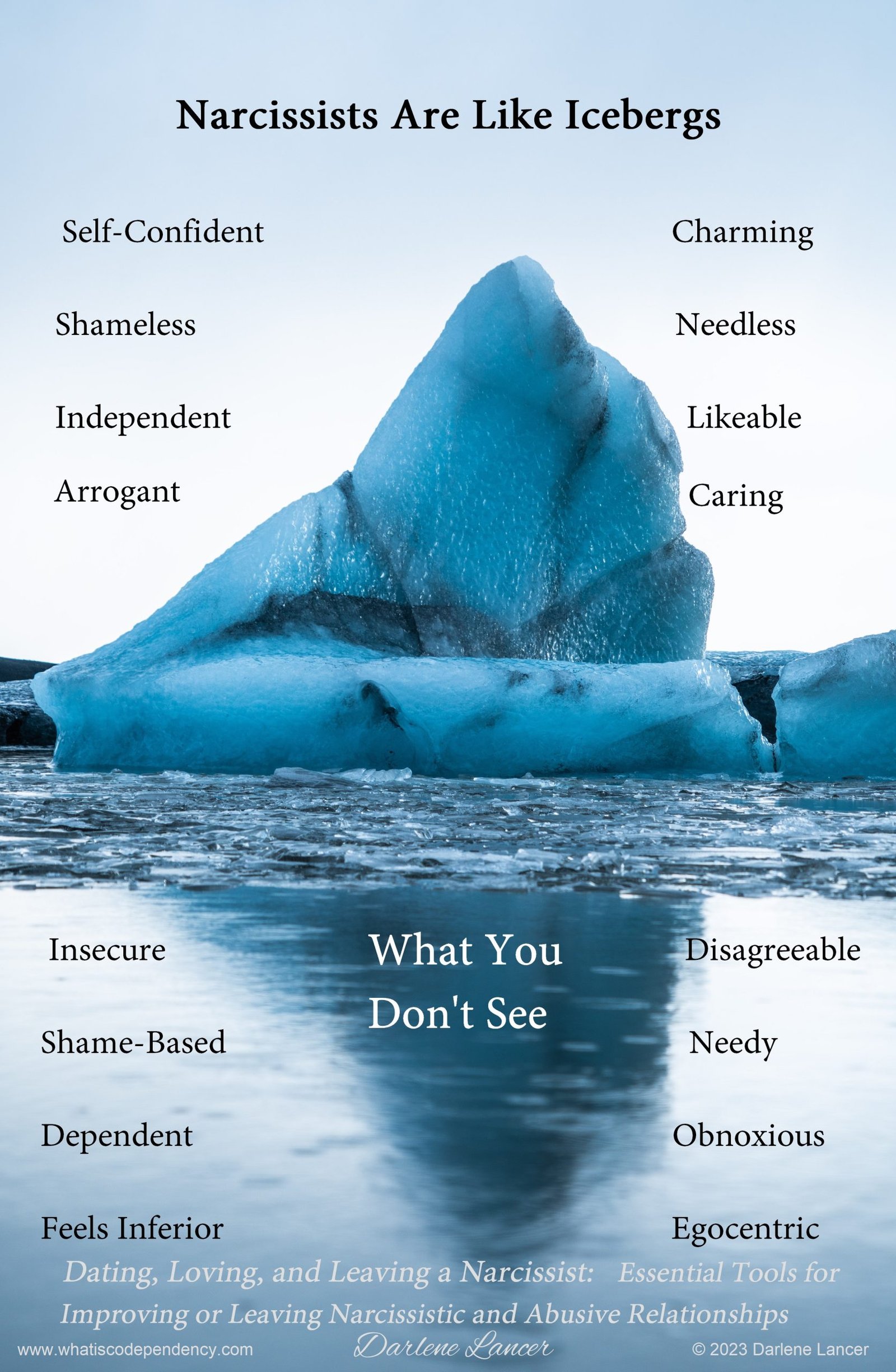
Narcissism: Understanding the Modern Self-Obsession
Narcissism is a psychological concept that refers to excessive self-focus, a strong need for admiration, and a lack of empathy for others. While healthy self-esteem is important, narcissism becomes problematic when it leads to arrogance, manipulation, or emotional harm to others. It exists on a spectrum—from common personality traits to a clinical diagnosis known as Narcissistic Personality Disorder (NPD). The term “narcissism” comes from the Greek myth of Narcissus, a young man who fell in love with his own reflection. In modern psychology, narcissism is often linked to deep feelings of insecurity, masked by an inflated sense of self-importance. People with narcissistic traits may appear confident and charismatic, but they often rely heavily on external validation to maintain their self-worth. Narcissism can be shaped by both genetic and environmental factors. Some researchers suggest that overpraising or neglect during childhood may contribute to the development of narcissistic traits. Social and cultural influences also play a major role. In today’s digital age—where self-promotion, likes, and online status are highly valued—narcissistic behavior may be unintentionally encouraged, especially among young people. Narcissism can affect relationships, workplaces, and even leadership dynamics. While narcissistic individuals may succeed in competitive environments, their lack of empathy and inability to accept criticism often leads to conflict, instability, or emotional distance. In severe cases, narcissism may result in emotional abuse, as others are treated as tools to boost the narcissist’s ego. Addressing narcissism requires a careful and empathetic approach. Therapy, especially psychodynamic or cognitive-behavioral therapy, can help individuals with narcissistic tendencies build healthier self-esteem and develop greater empathy. However, treatment can be challenging, as many narcissistic individuals do not recognize their behavior as problematic. In conclusion, narcissism is a complex and increasingly relevant topic in modern society. While a certain level of self-interest is natural, understanding the difference between confidence and narcissism is essential—for individual well-being and for fostering healthy, respectful communities.
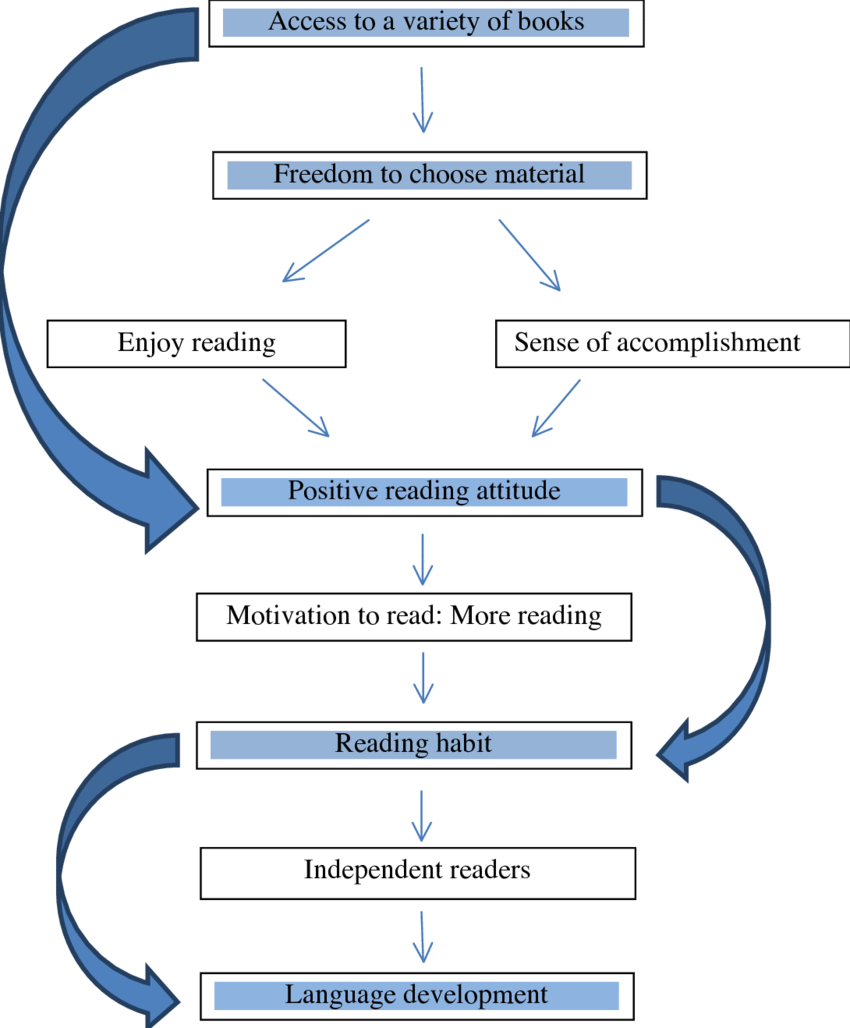
The Importance of Developing a Reading Habit
Reading is one of the most valuable habits a person can develop. It not only enhances knowledge and language skills but also shapes the way individuals think, imagine, and understand the world. In a time where digital media often dominates attention, cultivating a regular reading habit remains essential for personal growth, academic success, and lifelong learning. A consistent reading habit improves vocabulary, comprehension, and critical thinking. Readers are exposed to different perspectives, cultures, and ideas, which fosters empathy and global awareness. Furthermore, reading fiction can enhance imagination and creativity, while non-fiction provides practical knowledge and deeper insights into real-world issues. For students, strong reading skills are directly linked to academic performance, as reading comprehension is fundamental in almost every subject. Beyond intellectual benefits, reading also offers emotional and psychological advantages. It reduces stress, improves focus, and can even help manage anxiety and depression. Reading allows individuals to disconnect from their daily worries and immerse themselves in different realities. In this way, it serves as both a form of entertainment and a means of inner reflection. Despite its many advantages, the habit of reading is declining in many societies, especially among young people. The rise of smartphones, short-form content, and fast-paced entertainment has made it harder to focus on long texts. To encourage reading, it is important to create positive reading environments in homes and schools, promote access to libraries and books, and introduce reading as a pleasurable activity rather than a chore. In conclusion, developing a reading habit is a powerful tool for intellectual, emotional, and social development. It enriches our understanding of ourselves and others, strengthens our ability to think critically, and opens the door to endless possibilities. In an increasingly complex and distracted world, the simple act of reading remains a quiet but transformative force.
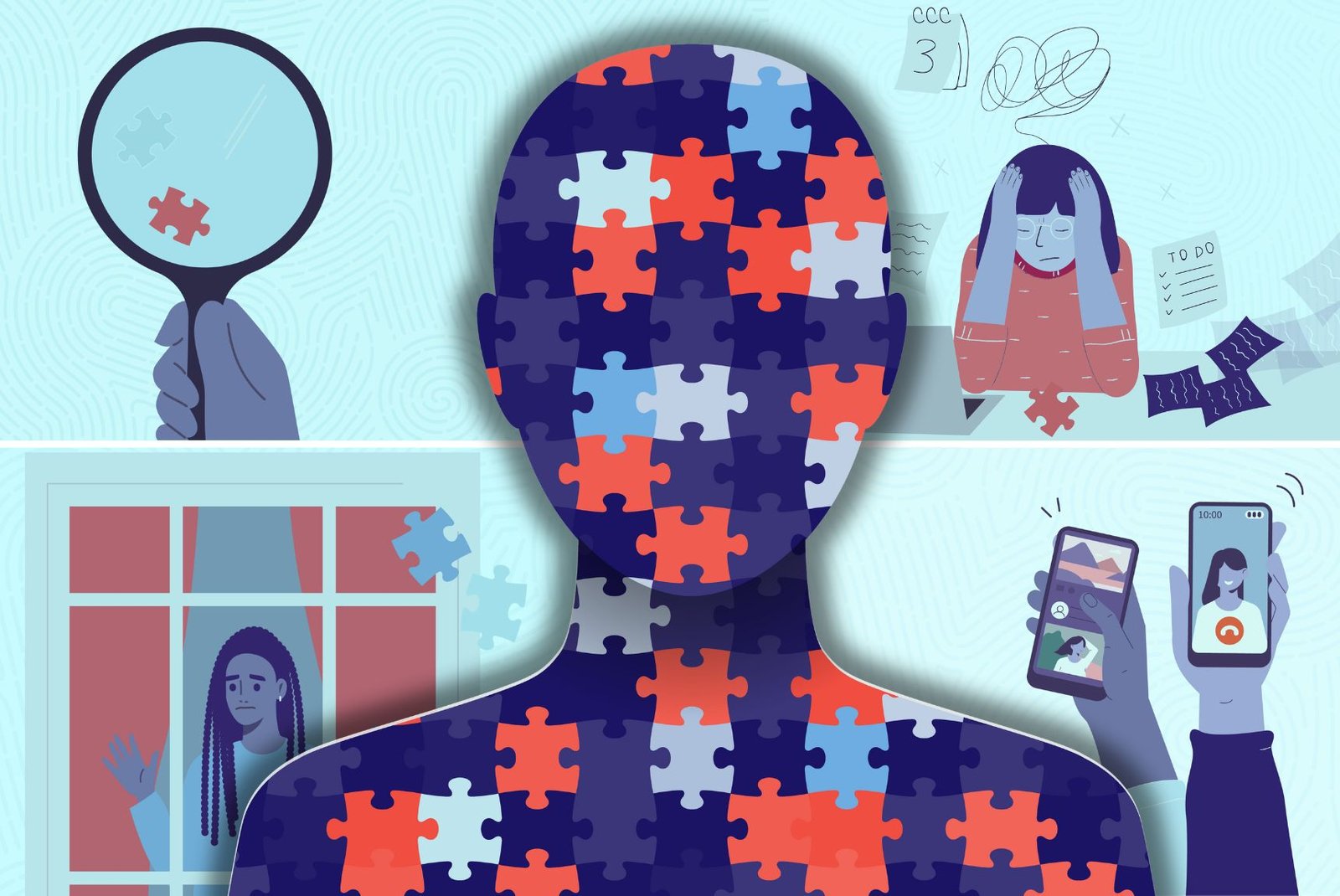
General Unhappiness: A Growing Psychological and Social Concern
In recent years, general unhappiness has become a significant topic in the fields of psychology, sociology, and public health. Unlike clinical depression, which is a diagnosable mental illness, general unhappiness refers to a persistent feeling of dissatisfaction, lack of fulfillment, or emotional discomfort that many individuals experience without necessarily meeting the criteria for a mental disorder. Though subtle in appearance, this type of emotional state can deeply affect personal well-being, productivity, and quality of life. There are many factors that contribute to general unhappiness. On an individual level, unmet expectations, chronic stress, social comparison, and a lack of meaning or purpose are among the most common causes. People often feel unhappy when there is a gap between what they hope for and what they experience in reality. In modern society, this gap may be widened by consumer culture, unrealistic social media portrayals, and the pressure to achieve constant success or happiness. Social and economic factors also play a key role. Financial instability, unemployment, loneliness, and social inequality contribute to a general sense of hopelessness and disconnection. In many developed nations, despite material comfort, feelings of isolation and emotional emptiness are rising. This has led researchers to argue that emotional well-being should be considered just as important as economic indicators when measuring a country’s progress. The effects of general unhappiness can be long-lasting. Over time, it may weaken motivation, reduce engagement in relationships, and increase the risk of mental health issues such as anxiety or depression. Furthermore, when large groups of people feel persistently unhappy, it can impact society as a whole — reducing trust, lowering civic participation, and even influencing political outcomes. Addressing general unhappiness requires both individual and collective effort. On a personal level, strategies such as mindfulness, gratitude practices, regular exercise, and strong social connections have been shown to improve emotional well-being. On a societal level, policies that support mental health, reduce inequality, and promote community belonging are crucial. While unhappiness is a natural part of the human experience, understanding and responding to its causes is essential for building a healthier, more resilient society.

The Concept of Time
Time is one of the most powerful forces in our lives. It cannot be seen or touched, yet it shapes everything we experience. From the moment we are born, time begins to pass — second by second, day by day — and we grow, learn, change, and age. Time moves forward constantly, and no one can stop it, control it, or go back. For some, time brings healing. Pain and sadness may fade with time, and wounds may begin to close. For others, time can be a reminder of loss, missed opportunities, or things that could not be changed. We often feel like there is never enough time, especially when we are busy, stressed, or facing important choices. People use time to measure progress, to set goals, and to understand life. We divide it into past, present, and future — remembering what was, living in what is, and dreaming of what might come. Time teaches us patience and helps us appreciate every moment. It reminds us that everything is temporary, which can be both comforting and painful. In the end, time is not something we can control, but something we must respect. How we choose to spend our time defines our lives. That is why it is important to live with purpose, to be kind, to forgive, and to make each moment count.
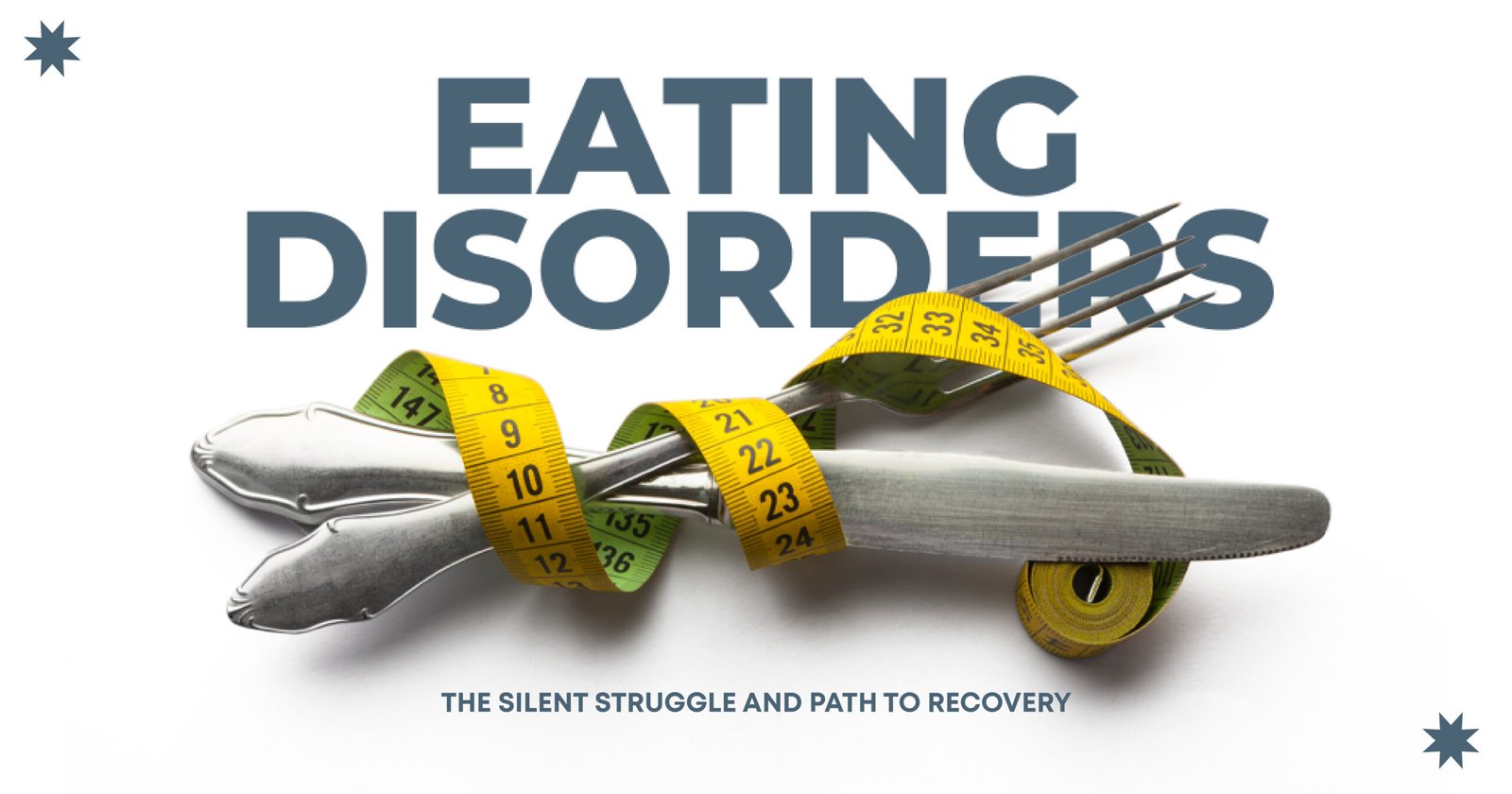
Anorexia Nervosa: The Silent Struggle for Control
Anorexia nervosa is a serious eating disorder that involves an intense fear of gaining weight and a distorted view of one’s own body. People with anorexia severely limit the amount of food they eat, even when they are already underweight. They often see themselves as overweight, no matter how thin they become. This mental health condition affects both the body and the mind, and it can have life-threatening consequences if not treated in time. Anorexia usually begins during the teenage years or early adulthood, though it can develop at any age. It is more common in females, but males can also suffer from it. The causes of anorexia are complex and include a combination of genetic, psychological, and environmental factors. People with anorexia often have low self-esteem, perfectionist traits, and a strong need for control. Social pressures, cultural beauty ideals, and trauma can also contribute to the development of the disorder. The symptoms of anorexia include extreme weight loss, refusal to eat, obsession with calories and dieting, excessive exercise, and a distorted body image. Some people may also show signs of depression, anxiety, or isolation. Physically, anorexia can lead to serious problems such as heart failure, low blood pressure, osteoporosis, hair loss, and even death due to starvation or organ failure. In females, it often causes menstrual periods to stop (amenorrhea).

Pica: An Unusual but Serious Eating Disorder
Pica is a type of eating disorder where a person regularly eats non-food items that have no nutritional value. These can include things like dirt, clay, chalk, paper, hair, soap, ice, or paint chips. This behavior must last for at least one month and be inappropriate for the person’s developmental level. For example, very young children may sometimes put things in their mouths, which is normal. But in older children, teenagers, or adults, pica is considered abnormal and may be a sign of a serious issue. The exact cause of pica is not fully known, but it is often linked to nutritional deficiencies, such as a lack of iron or zinc. Some people may develop pica as a response to stress, trauma, or mental health conditions such as obsessive-compulsive disorder (OCD), autism spectrum disorder (ASD), or intellectual disability. Pica can also appear during pregnancy, especially in women with low iron levels. Pica can be dangerous and lead to serious health problems. Eating non-food items may cause choking, poisoning, intestinal blockages, or infections. For example, eating paint that contains lead can lead to lead poisoning, which is very harmful, especially in children.

Eating disorders
Eating disorders are serious mental health conditions that affect a person’s relationship with food, body image, and emotions. They go beyond simply eating too much or too little — they are often linked to deeper emotional problems such as low self-esteem, anxiety, depression, or a need for control. People of all ages, genders, and body types can develop eating disorders, and they can lead to serious physical and psychological harm if left untreated. One of the most well-known eating disorders is anorexia nervosa, in which a person eats very little due to an intense fear of gaining weight. Even if they are dangerously underweight, they may see themselves as overweight. This condition can cause extreme weight loss, weakness, loss of menstruation in women, and serious health complications including heart problems. Another common disorder is bulimia nervosa. Individuals with bulimia often go through cycles of binge eating — consuming large amounts of food in a short time — followed by purging through vomiting, fasting, or using laxatives to try to “undo” the eating. Despite often having a normal weight, they experience intense guilt, shame, and physical effects such as tooth damage and digestive issues. Binge eating disorder is also widespread and involves episodes of eating large amounts of food while feeling a lack of control. Unlike bulimia, people with this disorder do not purge after eating. They often feel guilt, shame, and distress, and may become overweight or obese. This condition can lead to diabetes, high blood pressure, and other health risks. There are also other types of disordered eating, such as orthorexia, where a person becomes obsessed with eating only “healthy” or “pure” foods, and pica, where non-food items like dirt, paper, or ice are consumed. Eating disorders have many possible causes. They can be influenced by psychological factors such as perfectionism or trauma, biological factors like genetics or brain chemistry, and social pressures including beauty standards and media messages. Family dynamics and childhood experiences can also play a role. These disorders are not simply a choice or a phase—they are complex mental health conditions that require understanding, compassion, and professional support. Treatment for eating disorders often includes therapy, such as cognitive behavioral therapy, medical monitoring, nutritional counseling, and support from family and peers. In some severe cases, hospitalization may be necessary to address life-threatening symptoms. Recovery is possible with the right help and support, but it takes time and commitment. It is important to remember that anyone struggling with an eating disorder deserves care, and asking for help is a strong and important first step.

Meditation and Mindfulness Practices
Meditation and mindfulness are highly effective practices for those seeking mental peace and emotional balance in the fast pace of modern life. Both aim to calm the mind, stay in the present moment, and help individuals build a deeper connection with themselves. While meditation is the practice of developing mental clarity through focused attention, mindfulness is the state of noticing what is happening in the present without judgment. These practices offer many benefits such as reducing stress, improving concentration, enhancing sleep quality, and increasing overall well-being. To start meditating, it’s enough to sit in a quiet space and focus solely on your breath for a few minutes. Feeling the breath as it moves in and out through the nose and gently returning attention to the breath when the mind wanders is the essence of the practice. Rather than suppressing thoughts, it’s about observing them and letting them pass without engagement. Even short, consistent sessions can gradually lead to greater mental clarity and inner peace. Mindfulness, on the other hand, can be integrated into everyday activities. Noticing how your feet touch the ground while walking, truly tasting the food as you eat, or paying full attention while brushing your teeth are simple but powerful ways to practice mindfulness. The goal is to live with conscious awareness instead of automatic reactions. Especially in moments of stress or anxiety, taking a few deep breaths and focusing on the present can help ground the mind and restore emotional balance. Guided meditations can also be very helpful, especially for beginners. Thanks to mobile apps and online resources, anyone can be gently introduced to these practices. Starting with just 5 to 10 minutes a day can gradually develop into a deeper, more lasting sense of calm. Meditation and mindfulness are not about achieving a specific result but rather learning to observe and accept what is. With regular practice, they open the door to greater mental stillness, emotional resilience, and a more harmonious connection with life.

Bipolar Disorder: A Deeper Scientific Overview
Bipolar disorder is a chronic psychiatric condition characterized by significant changes in mood, energy levels, thinking patterns, and behavior. It involves alternating episodes of mania (or hypomania) and depression. Symptoms Types Biological and Genetic Basis Triggering Factors Diagnosis and Treatment Conclusion Bipolar disorder can significantly impact quality of life, but with early diagnosis and consistent treatment, individuals can live stable and productive lives. Long-term monitoring and proper management greatly improve outcomes.