Perceptual Presence Attenuation Disorder is a psychological condition in which sensory perception remains accurate and reality testing is fully intact, yet the felt sense of being immersed in the world is subtly diminished. Individuals see, hear, and touch without distortion, but experience their surroundings as experientially distant, as if a thin, invisible layer separates them from direct contact with reality. The world is recognized, but not fully inhabited.
Those affected do not question the reality of their environment. There are no hallucinations, derealization delusions, or perceptual deficits. Instead, the disturbance lies in the quality of presence. Objects, people, and spaces appear visually and logically normal, yet lack immediacy. The environment feels “observed” rather than “entered,” creating a persistent sense that life is happening just beyond reach.
This attenuation is most noticeable during moments that typically evoke strong sensory engagement, such as walking through a busy street, listening to music, or touching a familiar object. The sensory information is processed correctly, but it does not fully translate into a feeling of participation. Individuals often describe their experience as being “behind glass” or “one step removed,” despite knowing this is not literally true.
Emotionally, responses remain appropriate, but they feel less grounded in the environment. Joy, comfort, and curiosity arise, yet are less anchored to sensory input. This produces a subtle flattening of lived experience without the emptiness associated with depression. The person is not detached from life, but feels partially unembedded within it.
Identity and memory remain stable, but daily experience feels staged rather than lived. Routine actions are performed efficiently, yet lack the tacit familiarity that normally binds the self to the world. Over time, this leads to existential unease, not because reality is doubted, but because it feels slightly inaccessible.
Neurocognitive theories suggest a disruption in multisensory integration systems that normally bind perception, bodily awareness, and affect into a unified sense of presence. When this integration weakens, sensory data remains accurate, but the feeling of “being there” diminishes. The mind processes the world, but the body-mind connection that anchors experience feels loosened.
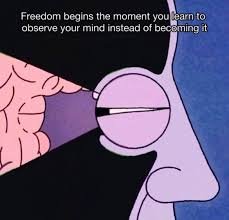
Individuals often attempt to compensate by seeking intense sensory stimulation or novel environments. Loud music, strong flavors, physical activity, or travel may temporarily increase presence. However, the effect is short-lived, and the baseline sense of distance returns. Excessive introspection tends to worsen symptoms, while embodied, movement-based activities can reduce them.
The condition is frequently confused with depersonalization or derealization. However, unlike derealization, the world is not experienced as unreal or artificial. Unlike depersonalization, the self remains intact and recognizable. The disturbance is selective, targeting experiential presence rather than identity or perception itself.
There is no standardized treatment. Therapeutic approaches emphasizing embodiment, sensory grounding, and present-moment engagement appear more beneficial than analytical methods. Techniques that reduce cognitive overprocessing and enhance bodily awareness may help restore the felt sense of connection.
Perceptual Presence Attenuation Disorder reveals that perception alone is not enough to feel part of the world. Presence depends on a fragile integration between sensing, feeling, and being. When this integration weakens, reality remains clear, yet subtly out of reach, leaving the individual awake within a world that never fully arrives.