Role-Identity Diffusion Pattern (RIDP) is a subtle psychological condition in which individuals experience themselves less as a unified self and more as a series of roles they perform. It is not a personality disorder, nor is it dissociation in the clinical sense. Instead, it is a quiet fragmentation of identity shaped by long-term social adaptation, performance pressure, and emotional self-monitoring.
People with RIDP often feel highly functional. They know how to behave in different settings, how to speak to different people, and how to meet expectations. Yet beneath this competence lies a persistent sense of inauthenticity. Life feels like a stage, and the self feels like a character constantly adjusting to the scene.
This pattern usually forms in environments where acceptance depends on behavior. When love, safety, or approval are conditional, the mind learns to prioritize performance over presence. Over time, roles replace identity. The individual becomes what is required rather than what is felt.
RIDP does not mean deception. Most people are unaware that they are performing. The roles feel natural because they have been practiced for years. However, in quiet moments, a subtle emptiness emerges. Without an audience or task, the person may feel uncertain about who they are.
Emotionally, RIDP creates a chronic sense of distance from oneself. Feelings are experienced, but they seem to belong to the role rather than the person. Happiness feels scripted, sadness feels restrained, and anger feels inappropriate. This emotional regulation maintains social harmony but erodes authenticity.
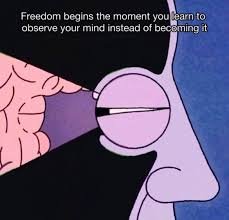
Cognitively, the individual becomes highly self-observant. They monitor how they are perceived and adjust constantly. This creates mental fatigue and a persistent fear of being “found out,” even when nothing is being hidden.
In relationships, RIDP leads to emotional asymmetry. Others may feel close, while the individual feels unknown. Intimacy becomes a performance of closeness rather than a lived experience of it.
Healing involves gently rediscovering the self beneath the roles. Through reflection, creative expression, and emotional honesty, individuals begin to reconnect with their internal identity. Over time, life feels less like a performance and more like a lived experience.