Unconscious Self-Limitation Syndrome (USLS) is a hidden psychological pattern that operates beneath awareness, shaping how individuals define their worth, ambition, and right to desire. It is not a disorder recognized in diagnostic manuals, yet it influences countless people across cultures and backgrounds. Those affected often appear modest, realistic, or “content,” while internally struggling with a persistent sense that wanting more—from life, relationships, success, or happiness—is somehow wrong.
At the core of USLS is an internalized belief that personal desires must be restricted to remain acceptable, safe, or morally worthy. This belief does not usually appear as a clear thought. Instead, it emerges as discomfort when imagining a better life, subtle guilt when feeling ambition, or hesitation when opportunities arise. The person may tell themselves they are simply being practical, but emotionally, something deeper is at work.
This syndrome often originates in early emotional environments where desire was implicitly discouraged. Children may grow up hearing messages such as “don’t be greedy,” “be grateful for what you have,” or “others have it worse.” While these phrases can teach empathy, they can also teach self-erasure. Over time, the nervous system learns that wanting too much leads to rejection, conflict, or shame. As a result, the mind begins to regulate desire downward to preserve emotional safety.
People with USLS frequently confuse limitation with humility. They may believe that suppressing their needs makes them good, loyal, or strong. Yet inside, there is often a quiet tension between what they long for and what they allow themselves to pursue. This tension rarely reaches consciousness as a clear conflict; instead, it appears as vague dissatisfaction, chronic indecision, or a feeling that life is smaller than it should be.
Cognitively, USLS operates through automatic self-correction. When a desire forms—such as a wish for a different career, a deeper relationship, or more recognition—the mind immediately generates reasons why it is unrealistic, selfish, or unnecessary. These rationalizations feel logical, but they serve to protect an emotional rule: do not outgrow the version of yourself that feels safe.
Emotionally, USLS creates a paradox. Individuals may feel proud of their restraint while simultaneously feeling empty or unfulfilled. They may celebrate others’ success but feel uneasy when imagining their own. This emotional contradiction can lead to self-judgment, confusion, and a persistent sense of being “out of alignment” with life.
In relationships, USLS often manifests as emotional self-sacrifice. People may minimize their needs to avoid burdening others or appearing demanding. Over time, this pattern can create resentment, even though the individual consciously believes they are choosing generosity. The hidden cost is a gradual erosion of self-worth, as the person learns to measure their value by how little they require.
Professionally, USLS can limit growth. Individuals may avoid applying for higher positions, negotiating salaries, or pursuing creative ambitions. They tell themselves they are satisfied, yet feel a subtle grief when witnessing others move forward. This grief is not envy—it is recognition of a self that has been kept small.
The body also carries USLS. Chronic tension, shallow breathing, and fatigue often accompany long-term self-limitation. The nervous system remains in a state of quiet suppression, as if holding something back. Over time, this can reduce vitality and emotional expressiveness.
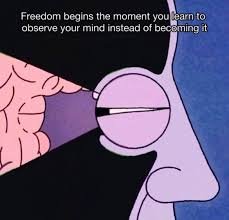
Healing begins with awareness. When individuals start noticing the guilt that follows desire, they can pause instead of immediately suppressing it. They learn to question whether the discomfort truly signals danger or merely reflects old emotional conditioning. Slowly, they begin to allow themselves to want, without immediately retreating.
Self-compassion plays a crucial role in this process. Rather than judging themselves for ambition or longing, individuals practice validating their inner needs. They learn that desire is not a moral failure, but a sign of life seeking expansion.
As USLS loosens its grip, people often experience both fear and relief. Fear, because growth feels unfamiliar. Relief, because the internal struggle between longing and restraint begins to dissolve. Life gradually feels more open, more spacious, and more aligned.
Unconscious Self-Limitation Syndrome reveals that many people are not blocked by lack of ability, but by invisible emotional rules. By gently challenging these rules, individuals reclaim the right to want, to grow, and to live more fully.