Internal Disconnection Drift (IDD) is a subtle psychological state that can emerge in individuals who outwardly function well yet feel quietly detached from their own experiences. It is not depression, apathy, or depersonalization in the clinical sense. Instead, it is a slow emotional and cognitive drifting away from the immediacy of life, in which moments are understood but not fully inhabited.
People with IDD often describe life as something they observe rather than participate in. Daily routines, conversations, and even meaningful events feel strangely flat or distant. They know they are living, but it does not feel vivid or personally anchored. This is not emptiness, but a muted form of presence.
This condition often develops gradually. Long-term stress, emotional suppression, overthinking, and constant performance demands can exhaust the nervous system. To cope, the mind reduces emotional intensity, creating a protective distance from overwhelming experiences. Over time, this distance becomes habitual, even when the original stress is gone.
Unlike depression, individuals with IDD still feel motivation and interest. They may pursue goals, maintain relationships, and appear emotionally stable. Yet something feels missing: the sense of being fully “inside” their own life. Joy, sadness, and excitement are felt, but with less depth and immediacy.
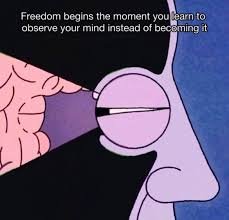
Cognitively, IDD is marked by excessive mental monitoring. People reflect on their experiences instead of simply having them. They analyze how they feel instead of feeling it. This creates a split between awareness and experience, reinforcing the sense of detachment.
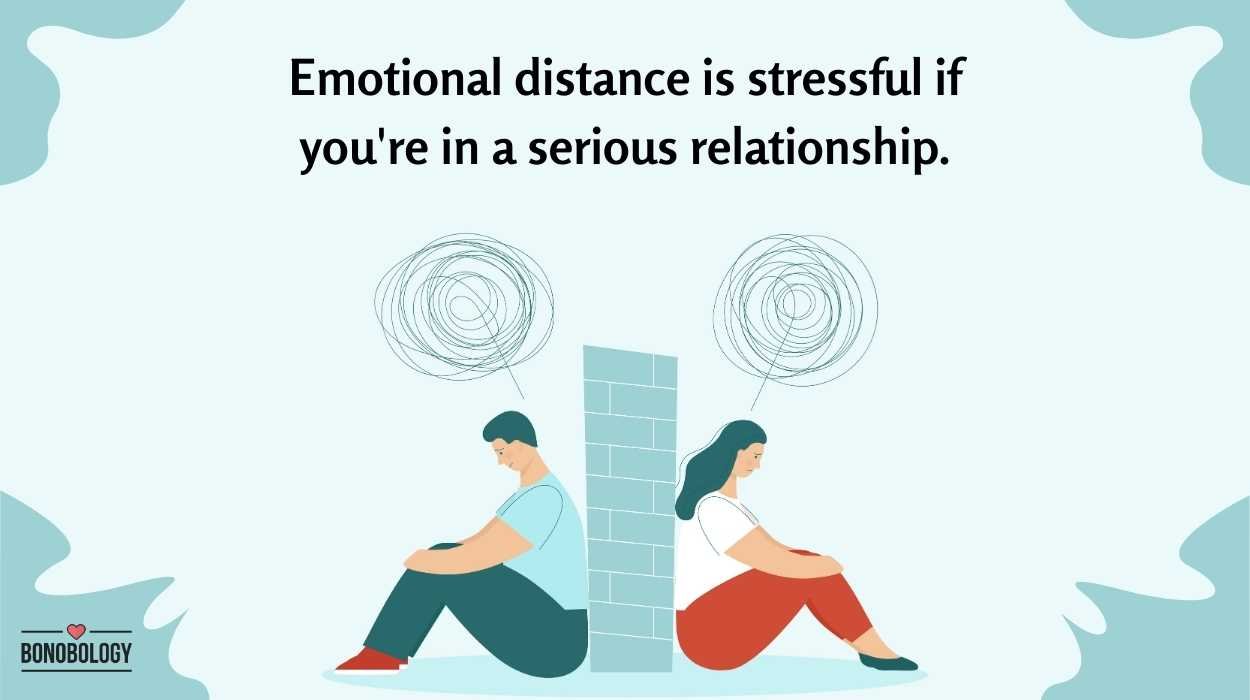
Emotionally, IDD produces a quiet longing for connection—to people, to meaning, to oneself. Individuals may feel nostalgic for moments that should be present, or miss their life even while living it. This subtle grief often goes unrecognized.
Healing begins with re-embodiment. Practices that bring attention back to physical sensation, emotion, and present-moment awareness help restore immediacy. Over time, the individual learns to experience life directly again, not as an observer, but as a participant.
IDD reminds us that sometimes the greatest loss is not of things or people, but of presence itself. Reclaiming that presence is not dramatic—it is gentle, slow, and deeply human.