Latent Self-Concealment Disorder (LSCD) is a subtle psychological condition that exists on a spectrum and can be observed in almost every individual to some degree. It is not defined by dramatic symptoms or visible dysfunction, but by a persistent internal impulse to hide one’s authentic emotional and cognitive self from others, even in safe or intimate environments. Unlike social anxiety or personality disorders, LSCD operates quietly, shaping behavior without the person realizing that it is happening.
People with LSCD often appear socially functional, confident, and emotionally composed. They communicate, work, and form relationships normally. However, beneath this surface lies a continuous filtering process. Thoughts are softened before being spoken, emotions are minimized, and personal experiences are selectively edited to avoid vulnerability. This is not deliberate deception, but an automatic psychological defense.
The root of LSCD lies in early interpersonal learning. Many individuals grow up in environments where emotional expression is discouraged, misunderstood, or subtly punished. Over time, the mind learns that safety depends on concealment. Even in adulthood, when the original threat no longer exists, the nervous system continues to operate under the same rule: remain partially hidden.
This hidden self is not inactive. It constantly evaluates what can be shared and what must be withheld. The individual may not feel consciously restricted, yet often experiences a vague sense of emptiness or emotional distance in relationships. Conversations feel safe but not deeply satisfying. Intimacy is present, but something essential remains unspoken.
Emotionally, LSCD does not cause numbness, but fragmentation. A person may feel strong emotions privately while presenting a controlled version of themselves to the world. Over time, this split between inner and outer identity creates subtle tension. The individual may feel unknown, even when surrounded by people who care about them.
Because LSCD is normalized in many cultures, it is rarely recognized as a psychological burden. Society often rewards emotional restraint and composure, reinforcing the belief that vulnerability is weakness. As a result, people internalize the idea that being fully seen is dangerous, even when there is no real threat.
The consequences of LSCD are not dramatic, but cumulative. Relationships may lack depth, creative expression may feel blocked, and personal fulfillment may remain just out of reach. Many individuals describe a persistent sense that life is happening “around” them rather than “through” them.
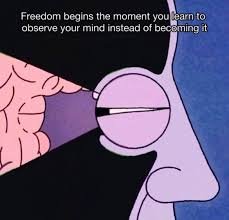
Healing begins with awareness. When individuals recognize their patterns of concealment, they can begin to test safe emotional exposure. Small acts of honesty, emotional naming, and authentic expression gradually retrain the nervous system to tolerate being seen. Over time, the hidden self becomes less guarded, allowing for deeper connection and a more integrated sense of identity.
LSCD reminds us that the most common psychological struggles are often the quietest. It is not a disorder of weakness, but of protection that has outlived its purpose. By gently lowering the mask, individuals rediscover not only intimacy, but themselves.