Human beings naturally seek a sense of order in their lives. From early childhood, individuals learn that the world contains patterns, rules, and predictable structures that allow them to navigate daily experiences. This tendency to organize and regulate the environment is not inherently pathological; in fact, it is essential for survival. Planning, regulating emotions, maintaining routines, and establishing personal boundaries all represent healthy forms of psychological control. However, in certain individuals this drive toward control becomes excessive, rigid, and emotionally consuming. Instead of providing stability, the need for control begins to dominate thought processes, relationships, and behavior. Psychopathology examines why some minds become intensely preoccupied with control and how this pattern develops within the human psychological system.
At its core, the desire for control reflects the brain’s attempt to reduce uncertainty. Uncertainty is psychologically uncomfortable because it limits the mind’s ability to predict future events. When outcomes cannot be anticipated, individuals may experience anxiety, vigilance, and emotional tension. The human brain therefore evolved mechanisms designed to minimize unpredictability. These mechanisms include planning, problem-solving, and creating routines that make life more manageable.
However, not all individuals tolerate uncertainty in the same way. Some people possess a particularly strong sensitivity to unpredictability. For them, ambiguous situations produce intense psychological discomfort. Their cognitive systems continuously search for ways to eliminate risk and maintain certainty. This sensitivity may arise from a combination of temperament, developmental experiences, and environmental pressures.
One important factor involves early experiences with instability. When children grow up in environments characterized by unpredictability—such as inconsistent caregiving, emotional neglect, chaotic household dynamics, or frequent changes—they may develop heightened vigilance toward potential disruptions. In such circumstances, control can become a psychological defense mechanism. By attempting to manage every detail of their environment, individuals try to protect themselves from the uncertainty they once experienced.
Over time, this adaptive strategy may become deeply ingrained. The individual learns that careful monitoring, strict routines, and rigid planning reduce emotional discomfort. Although these strategies may initially provide relief, they can gradually expand into broader areas of life. What begins as an effort to manage specific anxieties can evolve into a pervasive need to regulate thoughts, behaviors, and external conditions.
Cognitive psychology offers insight into how this pattern develops. The human brain constantly evaluates the relationship between actions and outcomes. When a particular behavior appears to reduce anxiety, the brain reinforces it through learning mechanisms. If organizing tasks, controlling schedules, or checking details leads to temporary relief from worry, the brain begins to associate control behaviors with emotional safety.
This reinforcement process can strengthen the habit of control-seeking. Each time anxiety arises, the individual attempts to restore order through further monitoring or regulation. Although the relief may be short-lived, the brain remembers the momentary reduction in tension. As a result, the cycle continues and gradually intensifies.
An important psychological component of excessive control involves perfectionistic thinking. Perfectionism is often misunderstood as simply striving for high standards. In psychopathology, however, perfectionism frequently reflects a deeper fear of mistakes and negative evaluation. Individuals who fear losing control may believe that errors will lead to catastrophic consequences, social rejection, or personal failure.
These beliefs create an internal environment in which every action must be carefully managed. The person may repeatedly review decisions, double-check tasks, or spend excessive time organizing details. While others might perceive these behaviors as diligence or discipline, the individual experiences them as necessary defenses against imagined negative outcomes.
Another factor contributing to control preoccupation is intolerance of emotional vulnerability. Many individuals who seek extreme control find uncertainty threatening not only because of unpredictable events but also because of the emotions those events might trigger. Feelings such as fear, shame, or helplessness can be deeply uncomfortable. By controlling external circumstances, individuals attempt to prevent situations that might evoke these difficult emotional states.
For example, a person who fears humiliation may carefully manage conversations, avoid spontaneous interactions, or rehearse responses in advance. Someone who fears failure might rigidly organize every aspect of work or study, believing that meticulous preparation will eliminate the possibility of mistakes. These behaviors aim to regulate not only the environment but also internal emotional experiences.
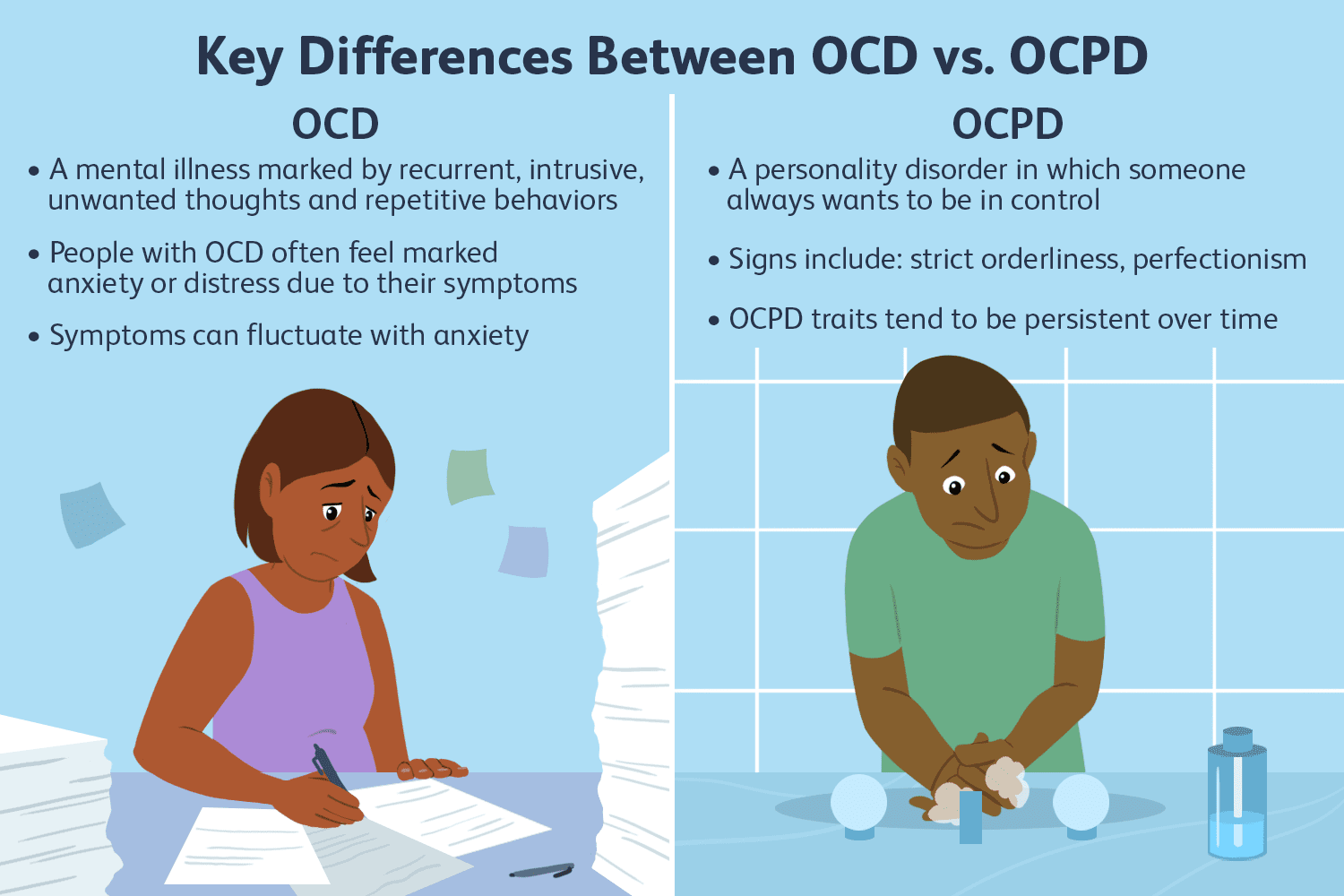
Obsessive–compulsive tendencies illustrate one of the most recognizable manifestations of excessive control. In obsessive–compulsive patterns, individuals experience intrusive thoughts that generate anxiety or distress. These thoughts often involve fears of contamination, harm, mistakes, or moral failure. To neutralize this distress, individuals engage in repetitive behaviors or mental rituals designed to restore a sense of control.
These rituals may include repeated checking, washing, counting, arranging objects, or seeking reassurance. Although the individual recognizes that these behaviors may be excessive or irrational, resisting them can produce overwhelming anxiety. The ritual temporarily reduces distress, reinforcing the cycle between intrusive thought and control behavior.
Neurological research suggests that these patterns involve specific brain circuits responsible for habit formation, error detection, and behavioral regulation. When these systems become overactive or dysregulated, the brain may continuously signal that something is wrong or incomplete. This signal drives the individual to perform corrective actions, even when no real problem exists.
However, the psychological meaning of control extends beyond specific disorders. Many individuals who do not meet clinical diagnostic criteria still experience strong urges to regulate their surroundings and internal states. In these cases, the need for control may manifest through rigid routines, strict personal standards, or discomfort with spontaneity.
Relationships often become particularly affected by control-oriented patterns. Interpersonal interactions require flexibility, compromise, and tolerance for unpredictability. When one individual attempts to regulate conversations, decisions, or emotional dynamics too tightly, others may feel restricted or pressured. This tension can lead to conflict, distance, or misunderstanding.
Ironically, the very strategy designed to maintain security may produce the opposite outcome. Efforts to control relationships can generate frustration in others, increasing the risk of emotional disconnection. When this occurs, the individual seeking control may feel even more anxious and respond by tightening their attempts to manage the situation.
Another psychological element underlying control preoccupation involves identity and self-worth. Some individuals define their value through competence, reliability, and discipline. While these qualities can be admirable, they may become problematic when self-esteem depends entirely on maintaining flawless order. Any deviation from expectations—whether a minor mistake or an unpredictable event—can threaten the individual’s sense of identity.
This connection between control and identity may develop in environments where approval depended heavily on performance. Children who received praise primarily for achievements, obedience, or perfection may internalize the belief that worth depends on maintaining control and avoiding errors. As adults, they may continue striving for flawless performance in order to preserve self-esteem.
Psychological treatment for excessive control typically focuses on increasing tolerance for uncertainty and emotional flexibility. Cognitive therapies help individuals examine the beliefs that sustain their need for control. For example, they may explore assumptions about mistakes, failure, or unpredictability. Through guided reflection, individuals gradually learn that uncertainty does not necessarily lead to catastrophe.
Behavioral approaches often involve gradually reducing control behaviors. Rather than eliminating them abruptly—which could provoke overwhelming anxiety—individuals practice small steps toward flexibility. For instance, someone who compulsively checks tasks might delay checking or intentionally allow minor imperfections to remain. Over time, these experiences demonstrate that feared outcomes rarely occur.
Mindfulness-based approaches also play a valuable role in addressing control-related patterns. Mindfulness encourages individuals to observe thoughts and emotions without immediately reacting to them. By developing awareness of internal experiences, individuals can recognize the impulse to control without automatically acting upon it. This process helps weaken the automatic cycle between anxiety and control behavior.
Equally important is learning to accept the inherent unpredictability of human life. No system of planning or monitoring can eliminate all uncertainty. Relationships evolve, circumstances change, and unexpected events occur. Developing psychological flexibility allows individuals to adapt to these changes rather than attempting to prevent them entirely.
From a broader perspective, the obsession with control highlights a fundamental tension within human psychology. On one hand, the mind seeks order and predictability in order to function effectively. On the other hand, life itself remains inherently uncertain and dynamic. Psychological health requires balancing these opposing forces—maintaining enough structure to navigate the world while allowing sufficient flexibility to adapt when circumstances shift.
When the balance tilts too strongly toward control, the mind may become trapped in rigid patterns that restrict emotional and behavioral freedom. Yet the same cognitive systems that create these patterns also allow individuals to modify them. Through awareness, experience, and supportive environments, the mind can gradually learn to tolerate uncertainty without resorting to excessive control.
Understanding why some minds become preoccupied with control therefore offers insight into the deeper mechanisms of human anxiety and adaptation. It reveals how strategies originally designed to create safety may expand beyond their useful limits, shaping thoughts and behaviors in powerful ways. At the same time, it demonstrates the remarkable capacity of the human mind to re-evaluate its own patterns and move toward greater psychological flexibility.