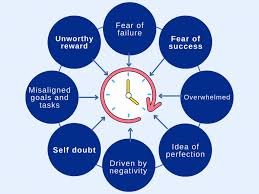
Procrastination is one of the most common behavioral patterns observed in everyday life. Many individuals delay important tasks even when they know that postponement may lead to stress, reduced performance, or missed opportunities. Students delay studying for exams, professionals postpone completing projects, and individuals often put off personal goals such as exercising or learning new skills. Although procrastination may appear to be a simple problem of poor time management, psychological research suggests that it involves a complex interaction of cognitive, emotional, and motivational processes within the human mind.
At its core, procrastination occurs when a person voluntarily delays an intended course of action despite expecting that the delay will produce negative consequences. This definition highlights a key feature of procrastination: individuals are usually aware that postponing the task is not beneficial. Yet the behavior persists, suggesting that deeper psychological mechanisms influence the decision to delay.
One major factor contributing to procrastination involves the way the brain evaluates immediate and future rewards. Humans often show a strong preference for activities that produce instant gratification. Tasks such as browsing the internet, watching entertainment, or engaging in casual conversations can generate quick feelings of pleasure or relaxation. In contrast, many important tasks require sustained effort before any reward becomes visible.
When the brain compares these options, activities with immediate rewards often appear more attractive than tasks associated with delayed benefits. This tendency can cause individuals to shift their attention away from long-term goals toward short-term distractions. As a result, procrastination emerges as a strategy for avoiding effort in the present moment.
Emotional regulation also plays a central role in procrastination. Many tasks provoke uncomfortable emotions such as anxiety, boredom, frustration, or self-doubt. For example, a student may feel anxious about failing an exam, or a writer may feel uncertain about the quality of their work. These negative emotions create psychological discomfort that the mind naturally attempts to reduce.
Procrastination can temporarily relieve this discomfort. By postponing the task, individuals escape the immediate emotional challenge associated with it. Even though this relief is temporary, it can reinforce the habit of delaying tasks whenever unpleasant emotions arise.
Perfectionism often contributes to procrastination as well. Individuals who set extremely high standards for their performance may fear that their work will not meet these expectations. This fear can create intense pressure that makes starting the task feel overwhelming. Instead of risking imperfection, the person may delay the task altogether.
Ironically, perfectionism can lead to lower productivity rather than higher achievement. By waiting for the perfect moment, ideal conditions, or complete confidence, individuals may postpone action indefinitely. This pattern demonstrates how the pursuit of flawless results can sometimes prevent progress.
Another important factor influencing procrastination involves the perception of task difficulty. When a task appears large, complex, or unfamiliar, it may feel intimidating. The brain may interpret the task as requiring significant mental energy and therefore seek easier alternatives.
Breaking tasks into smaller components can reduce this sense of overwhelm. When individuals focus on completing manageable steps rather than the entire project at once, the task becomes more approachable. This strategy illustrates how perceptions of difficulty can influence motivation and behavior.
Self-efficacy, or the belief in one’s ability to succeed, also affects procrastination. Individuals who doubt their competence may hesitate to begin tasks because they anticipate failure. This expectation can weaken motivation and encourage avoidance.
Conversely, people who believe they can successfully complete a task are more likely to begin promptly and persist through challenges. Strengthening self-confidence through practice and positive feedback can therefore reduce tendencies toward procrastination.
Attention and focus further influence the likelihood of procrastination. Modern environments are filled with distractions such as social media notifications, digital entertainment, and constant streams of information. These distractions compete for cognitive resources and make it more difficult to maintain sustained concentration on demanding tasks.
When attention shifts repeatedly between tasks, productivity often decreases. Each interruption forces the brain to reorient itself to the original task, consuming mental energy and slowing progress. Over time this pattern can encourage individuals to abandon the task altogether in favor of easier activities.
Time perception also plays a role in procrastination. Humans sometimes underestimate how long tasks will take or overestimate the amount of time available to complete them. This misjudgment can lead individuals to believe that postponing the task will not create significant problems.
However, as deadlines approach, the realization that time is limited may trigger stress and urgency. Some individuals rely on this pressure to motivate action, completing tasks only at the last possible moment. While this strategy occasionally produces results, it often leads to lower quality work and increased anxiety.
Habits formed through repeated behavior can reinforce procrastination patterns. When individuals consistently delay tasks, the behavior becomes familiar and automatic. Over time the brain associates certain situations—such as beginning a difficult assignment—with avoidance.
Changing these habits requires conscious effort to create new behavioral patterns. Establishing routines, setting clear schedules, and reducing distractions can gradually reshape the habits that influence productivity.
Motivation itself is not a fixed trait but a dynamic process influenced by goals, values, and expectations. Tasks that align with personal interests or meaningful objectives are often easier to initiate because they provide intrinsic motivation. When individuals understand how a task contributes to their long-term aspirations, they may feel more inclined to begin promptly.
In contrast, tasks perceived as irrelevant or meaningless may evoke little motivation. In such cases individuals may procrastinate simply because they see no compelling reason to invest effort. Clarifying the purpose and significance of tasks can therefore enhance engagement.
Social environments can also affect procrastination. Supportive relationships and collaborative work settings often encourage accountability. When individuals know that others depend on their contributions, they may feel stronger motivation to complete tasks on time.
On the other hand, environments lacking structure or clear expectations may allow procrastination to flourish. Without external reminders or deadlines, individuals may struggle to regulate their own schedules effectively.
Educational systems frequently encounter the challenge of student procrastination. Assignments with distant deadlines often lead students to postpone work until the final days before submission. Educators sometimes address this issue by dividing large projects into smaller stages with intermediate deadlines.
Such strategies help maintain consistent progress and reduce the temptation to delay work. They also encourage students to develop time management skills that will be valuable in professional life.
Technology has introduced new dimensions to procrastination. Digital devices provide constant access to entertainment and social interaction, making it easier than ever to shift attention away from demanding tasks. While technology offers many benefits, it also requires individuals to develop stronger self-regulation to maintain productivity.
Despite its challenges, procrastination is not necessarily a permanent trait. Many individuals learn strategies to manage or reduce it. Techniques such as setting specific goals, creating structured routines, and limiting distractions can help individuals begin tasks more easily.
Another effective strategy involves focusing on progress rather than perfection. When individuals allow themselves to produce imperfect first drafts or preliminary ideas, they reduce the pressure associated with starting. Once momentum develops, refining the work becomes easier.
Mindfulness practices have also been explored as methods for addressing procrastination. By increasing awareness of thoughts and emotions, individuals may recognize the feelings that trigger avoidance. This awareness can create opportunities to respond differently rather than automatically postponing tasks.
Ultimately procrastination reflects the complex interaction between emotion, motivation, cognition, and environment. It arises not simply from laziness but from the brain’s attempts to balance effort, reward, and emotional comfort.
Understanding these mechanisms helps explain why procrastination is so widespread. The human mind naturally seeks immediate relief from discomfort and immediate rewards from enjoyable activities. However, awareness of these tendencies allows individuals to develop strategies that align behavior with long-term goals.
Through conscious effort, supportive environments, and effective planning, people can gradually reduce procrastination and cultivate habits that promote productivity and personal growth.