Change is one of the most desired yet most resisted experiences in human life. People speak constantly about wanting transformation. They want better relationships, more meaningful careers, healthier bodies, calmer minds, financial freedom, emotional balance. They imagine different futures and promise themselves that one day they will take action. Yet when the moment for real change arrives, hesitation appears. Fear grows louder. Doubt interrupts intention. Suddenly the life they once complained about feels safer than the uncertainty ahead.
This contradiction is not a sign of weakness or hypocrisy. It reflects the complexity of human psychology. At the core of resistance to change lies a fundamental biological truth: the brain prioritizes survival over fulfillment. Familiarity equals safety. Predictability reduces perceived threat. Even when a situation is uncomfortable, the mind prefers known discomfort over unknown possibility.
The nervous system is designed to detect risk quickly. When circumstances shift, even in positive ways, the brain interprets uncertainty as potential danger. Heart rate increases, thoughts accelerate, muscles tense. The body prepares to defend itself. This reaction does not distinguish between a physical threat and a psychological risk like changing jobs or ending a relationship. The internal alarm system activates anyway.
Consider someone who feels trapped in a stable but uninspiring career. They fantasize about pursuing a passion, starting a business, or studying something new. For months or years, they imagine freedom. But when a real opportunity arises—an interview, a course enrollment, a resignation letter—their mind floods with catastrophic scenarios. What if it fails? What if I regret it? What if I am not capable enough? The desire for change collides with fear of loss.
Loss is central to the fear of change. Even positive transformation requires letting go of something. Changing careers may mean losing financial security. Changing a relationship may mean losing familiarity. Changing habits may mean losing comfort. The brain processes loss more intensely than gain. Psychologists call this loss aversion: the pain of losing something often outweighs the pleasure of gaining something new.
Identity also contributes to resistance. People build narratives about who they are over time. These narratives provide coherence and stability. “I am responsible.” “I am cautious.” “I am the reliable one.” “I am not creative.” When change challenges these stories, it threatens the psychological structure that supports self-understanding. Becoming someone new requires dismantling parts of the old self. That process feels destabilizing.
There is also a social dimension. Change can disrupt relationships. When someone evolves, not everyone evolves with them. Growth may create distance from friends who prefer familiarity. Assertiveness may unsettle those accustomed to compliance. Ambition may provoke insecurity in others. Because belonging is a core human need, the possibility of social rejection intensifies hesitation.
Past experiences amplify caution. If someone previously attempted change and encountered failure, criticism, or disappointment, the memory remains active. The brain uses past pain as predictive data. It assumes similar outcomes in the future. Even if circumstances differ, emotional memory influences present decisions. The body remembers what the mind tries to rationalize away.
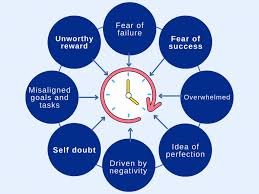
Perfectionism further complicates transformation. Many people believe that if they cannot execute change flawlessly, they should not attempt it at all. They set unrealistic expectations and then become paralyzed by the fear of imperfection. Instead of viewing change as an evolving process, they treat it as a single irreversible leap. This rigid thinking magnifies risk and suppresses action.
Cultural messaging reinforces extremes. Society celebrates dramatic reinventions and overnight success stories. Social media highlights milestones but rarely shows the uncertainty behind them. Observers compare their internal confusion to others’ polished outcomes. They assume everyone else transitions smoothly. This distorted perception increases self-doubt and exaggerates fear.
Ironically, people often grow comfortable in dissatisfaction. Complaining about circumstances can become a form of emotional stability. As long as conditions remain unchanged, responsibility remains external. “If only things were different, I would be happier.” Real change shifts responsibility inward. Success or failure becomes personal. That accountability can feel heavier than ongoing discomfort.
Control is another factor. Familiar routines provide a sense of predictability. Even if those routines are limiting, they are understandable. Change introduces variables outside immediate control—other people’s reactions, economic conditions, unexpected obstacles. Surrendering certainty, even temporarily, feels risky.
Yet within fear there is often excitement. The physiological sensations of anxiety and anticipation are remarkably similar. Rapid heartbeat, alertness, heightened energy. The interpretation determines the emotional experience. If these sensations are labeled as danger, fear dominates. If interpreted as growth, they can fuel courage. Reframing bodily responses shifts perception.
Gradual change reduces resistance. When transformation feels overwhelming, breaking it into smaller steps makes it manageable. Instead of a dramatic career shift, someone might begin with skill development or networking. Instead of ending a relationship impulsively, they might begin with honest conversations. Incremental progress builds confidence and rewires beliefs about capability.
Self-compassion is essential during this process. Fear often brings self-criticism. People judge themselves for hesitating. They interpret anxiety as weakness. Harsh internal dialogue increases avoidance. Compassion, on the other hand, normalizes fear as part of growth. It creates psychological safety for experimentation.
Support systems significantly influence willingness to change. Encouragement from trusted individuals increases resilience. Knowing that failure will not result in abandonment reduces perceived risk. In contrast, environments that punish mistakes reinforce stagnation. Human beings are more courageous when they feel emotionally supported.
Another hidden reason people resist change is uncertainty about desire itself. Sometimes individuals are unsure whether they truly want transformation or simply want relief from discomfort. The two are different. Relief seeks escape. Growth seeks development. Clarifying motivation prevents impulsive decisions driven solely by frustration.
Timing also becomes an excuse. Many people wait for the “right moment.” They imagine a future version of themselves who feels completely ready and confident. That version rarely appears spontaneously. Readiness often follows action. Confidence grows through experience, not before it. Waiting for fear to disappear before moving guarantees immobility.
Reflection helps distinguish intuitive caution from fear-based avoidance. Sometimes hesitation signals misalignment rather than resistance. Asking reflective questions clarifies direction: Am I afraid because this is wrong for me, or because it challenges me? Does this change align with my values? What would staying cost me in the long term?
The cost of stagnation is often underestimated. While change carries visible risk, remaining in an unfulfilling situation carries invisible consequences—diminished energy, quiet resentment, unrealized potential. Over time, these costs accumulate. Regret can become heavier than fear.
Resilience develops through previous transitions. Every person has navigated change before—moving schools, forming friendships, learning new skills, adapting to unexpected circumstances. Remembering past adaptability strengthens confidence. The brain gathers evidence: I have survived uncertainty. I can survive this too.
Curiosity transforms fear. Instead of asking “What if everything goes wrong?” one might ask “What might I discover?” Curiosity opens space for learning. It shifts focus from outcome to experience. When change becomes exploration rather than evaluation, pressure decreases.
Ultimately, fearing change while desiring it reflects the tension between two fundamental needs: safety and expansion. Safety seeks stability, predictability, and protection. Expansion seeks growth, meaning, and possibility. A balanced life honors both. The goal is not to eliminate fear but to integrate it.
Courage does not mean calm certainty. It means moving forward while acknowledging anxiety. It means understanding that discomfort is often temporary, while growth can be lasting. Change rarely feels comfortable at the beginning. It often feels destabilizing, disorienting, even frightening. Yet beyond that initial instability lies adaptation.
Humans are remarkably adaptable. What once felt impossible gradually becomes normal. New routines form. New identities stabilize. The unfamiliar becomes familiar. Fear diminishes not because risk disappears, but because competence grows.
Life itself is constant change. Aging, relationships, technology, environments—nothing remains static. Resisting change entirely is futile. The real choice is whether to engage consciously with transformation or allow circumstances to dictate it passively.
People fear change not because they lack desire, but because they value security. Yet security without growth can become confinement. Within uncertainty lies possibility. Within possibility lies development. And within development lies the fuller expression of who someone might become.
The edge of change is uncomfortable precisely because it represents expansion. Standing at that edge requires trust—not in guaranteed outcomes, but in personal adaptability. Fear may whisper warnings, but desire whispers potential. Listening to both, and still choosing movement, is what transforms intention into reality.