At certain moments a peculiar tension emerges within the mind. Two intentions appear simultaneously, each carrying its own reasoning and emotional force. One impulse urges action while another resists it. A decision that seems rational suddenly feels emotionally troubling, while a desire that feels deeply compelling appears logically questionable. This inner tension produces a sensation that something within the psyche is divided against itself. The question that follows is both psychological and philosophical: from where does the feeling of inner conflict actually arise?
Inner conflict is one of the most recognizable features of conscious life. Rarely does experience unfold with perfect harmony between desire, belief, and action. Instead, psychological life often involves negotiation between competing motives. These motives may involve immediate impulses, long-term goals, emotional attachments, social expectations, and moral principles. Each of these forces represents a different layer of mental organization.
When these layers align, behavior feels coherent. Decisions appear clear, and actions seem consistent with personal identity. Yet alignment is rarely perfect. More often, different systems within the mind evaluate situations according to different criteria. The resulting disagreement produces the experience of internal tension.
One source of such tension lies in the coexistence of rapid emotional evaluation and slower reflective reasoning. Emotional systems respond quickly to perceived opportunities or threats, generating immediate impulses toward approach or avoidance. Reflective reasoning, by contrast, analyzes consequences, compares alternatives, and considers long-term outcomes.
Because these systems operate at different speeds and rely on different priorities, they may reach conflicting conclusions about the same situation. A spontaneous desire may feel compelling even while reflective thought warns against its consequences. The individual experiences both signals simultaneously, creating the sensation that the mind itself is divided.
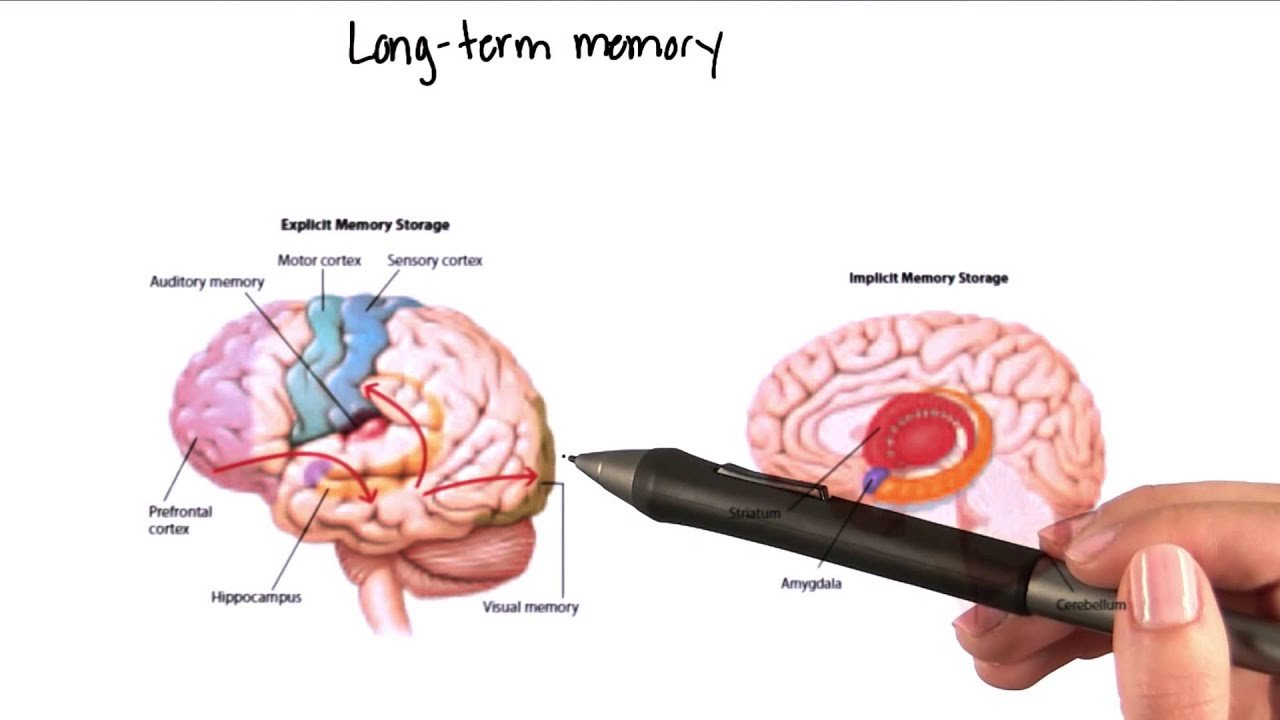
Another source of conflict arises from the structure of memory. Past experiences leave emotional traces that shape present reactions. Situations that resemble earlier events may trigger responses rooted in previous circumstances rather than in current realities.
When these emotional echoes interact with present goals, tension may emerge. A person might intellectually recognize that a situation is safe while still feeling a vague anxiety inherited from earlier experiences. The mind contains both interpretations at once, producing uncertainty about how to respond.
Identity also plays a powerful role in generating inner conflict. Personal identity is constructed from values, roles, and narratives that define what kind of person one believes oneself to be. These elements provide direction and coherence, yet they may also impose expectations that are difficult to satisfy simultaneously.
For example, the desire to be compassionate may conflict with the desire to maintain personal boundaries. The wish to pursue independence may collide with the wish to preserve close relationships. Each value carries legitimacy, yet their demands may point toward incompatible actions.
Such conflicts reveal that identity is not a single unified principle but a network of commitments that must be balanced continuously. When circumstances force these commitments into direct opposition, the resulting tension becomes unavoidable.
Cultural influences add further complexity to this dynamic. Social environments transmit expectations about appropriate behavior, success, responsibility, and belonging. These expectations often become internalized, forming part of the standards through which individuals evaluate their own actions.
However, cultural expectations may conflict with personal inclinations or with other social norms. A society might simultaneously encourage individual ambition and collective loyalty, independence and conformity. Navigating these competing ideals can create psychological strain as individuals attempt to satisfy multiple demands at once.
Language shapes how these tensions are experienced and interpreted. Words provide categories through which thoughts and emotions are organized. Concepts such as duty, freedom, loyalty, and authenticity allow individuals to frame internal experiences in meaningful ways.
Yet language also simplifies complex psychological processes. A single word may represent a wide range of motivations and feelings. When individuals attempt to describe their internal conflicts using simplified categories, the underlying complexity may remain partially hidden.
Another important factor in inner conflict is the brain’s predictive nature. Cognitive systems constantly generate expectations about future outcomes. These predictions guide behavior by estimating potential rewards and risks.
When predictions from different systems diverge, tension arises. One system may anticipate positive outcomes from a particular action, while another predicts negative consequences. The mind must weigh these competing forecasts, often without definitive evidence about which prediction is correct.
Uncertainty amplifies this process. When the consequences of a decision are unclear, internal systems continue generating alternative possibilities. Each possibility carries emotional weight, sustaining the feeling of conflict even before any action is taken.
Attention influences how strongly these tensions are experienced. When attention becomes narrowly focused on the conflict itself, the psychological discomfort may intensify. Repeatedly analyzing the same dilemma can magnify the perceived stakes of the decision.
In contrast, shifting attention toward concrete action sometimes reduces the sense of division. Once a decision is implemented, the mind often reorganizes its interpretations to support the chosen path. This process allows psychological energy to move forward rather than remaining trapped in analysis.
Nevertheless, certain conflicts resist quick resolution because they involve deeply rooted values. Decisions concerning relationships, moral responsibilities, or life direction often touch multiple layers of identity simultaneously. In such cases, the mind cannot easily prioritize one motivation over another.
These enduring conflicts sometimes lead to what psychologists describe as cognitive dissonance. When beliefs, actions, and values appear inconsistent, individuals experience a form of psychological discomfort that motivates attempts to restore coherence.
One common strategy for reducing dissonance involves reinterpretation. The mind may adjust the perceived importance of certain values or reinterpret events in ways that justify previous decisions. Through this process, internal tension gradually diminishes.
However, not all conflicts can be resolved through reinterpretation alone. Some situations genuinely involve incompatible values that cannot be perfectly reconciled. In these cases, psychological maturity may involve accepting the presence of unresolved tension rather than eliminating it entirely.
Philosophical traditions have long recognized this aspect of human experience. Many ethical frameworks acknowledge that moral life often involves choosing between competing goods rather than between clear good and clear evil. The difficulty of such choices reflects the complexity of the values themselves.
Creativity sometimes emerges from this complexity. Writers, artists, and thinkers frequently draw inspiration from internal tensions that resist simple solutions. By exploring conflicting perspectives, they reveal dimensions of experience that would remain hidden within a more uniform worldview.
Emotional awareness can also transform the experience of conflict. When individuals recognize the different motivations involved in a dilemma, they may approach the situation with greater understanding rather than frustration. Each impulse can be viewed as representing a legitimate concern within the broader structure of identity.
From this perspective, inner conflict becomes less a sign of psychological failure and more a reflection of the mind’s capacity to consider multiple possibilities simultaneously. The presence of tension indicates that the individual is evaluating different dimensions of a situation rather than responding automatically.
Mindfulness practices often emphasize observing conflicting thoughts and emotions without immediately attempting to resolve them. By allowing these experiences to coexist temporarily, individuals can examine the deeper assumptions that generate them.
Such observation sometimes reveals that apparent contradictions arise from overly rigid interpretations of identity or obligation. When these interpretations become more flexible, new possibilities for action may emerge that were previously overlooked.
The feeling of division within the mind therefore does not necessarily indicate fragmentation. Instead, it may reflect the complexity of the systems that generate human thought and motivation. Multiple perspectives coexist because the mind integrates diverse sources of information about the world.
Over time, experience gradually refines the ability to navigate these tensions. Past conflicts provide insight into the consequences of different choices, allowing individuals to approach future dilemmas with greater awareness.
Yet complete harmony between all motivations is unlikely to be achieved. The diversity of human values and desires ensures that certain tensions will remain part of psychological life. Rather than disappearing, these tensions may become integrated into a broader understanding of identity.
The question Whence arises the feeling of inner conflict? ultimately reveals that the mind is not a singular voice but a dialogue between multiple systems of evaluation and meaning. Emotional memory, reflective reasoning, cultural expectation, and personal aspiration all participate in shaping decisions.
When these influences converge, action feels natural and unified. When they diverge, the resulting tension becomes conscious as inner conflict. This tension is not merely an obstacle but a signal that the mind is weighing complex possibilities.
Within that process lies one of the defining features of reflective existence: the capacity to hold opposing perspectives simultaneously while searching for a path that acknowledges them both.