Volition is the felt experience of being the initiator of one’s own actions. It is not merely movement or decision-making, but the internal conviction that “this action originates from me.” Volitional disappearance occurs when this conviction dissolves. The individual continues to act, speak, decide, and move through life, yet no longer experiences themselves as the source of these actions. Life proceeds, but authorship is absent.
This condition is not paralysis, nor is it indecision. Actions still occur. Choices are still made. What disappears is the felt sense of choosing. The person may say, “Things just happen,” or “I don’t feel like I decide anything anymore.” Importantly, this is not delusional loss of control; reality testing may remain intact. The disturbance lies in subjective agency, not objective behavior.
Clinically, volitional disappearance appears in schizophrenia-spectrum disorders (especially negative and disorganized presentations), severe dissociation, advanced depression, catatonic-spectrum states, and prolonged trauma exposure. It is particularly common in individuals whose autonomy was repeatedly overridden — environments where choice led to punishment, coercion, or futility. Over time, the psyche adapts by disengaging from the experience of choice itself.
From the inside, this state feels strangely hollow. There is often little overt distress, but a pervasive sense of passivity. The person may comply easily, follow routines, and meet expectations, yet feel internally absent from their own life. Action feels automatic, procedural, or externally driven, even when no external force is present.
This phenomenon differs from learned helplessness. In learned helplessness, the individual believes effort is useless. In volitional disappearance, belief is not central. The experience of intending is gone. The mind no longer generates the internal signal that says “I am about to act.” Instead, action unfolds without prelude.
Neuropsychologically, volition depends on integration between intention formation, motor planning, and self-referential awareness. When these systems desynchronize — due to trauma, chronic stress, or neurodevelopmental vulnerability — intention may still form unconsciously, but fails to be experienced as “mine.” The result is action without agency.
In schizophrenia-spectrum conditions, this disruption can border on psychotic phenomena. The individual may feel moved, directed, or guided without attributing control to an external agent. Unlike classic delusions of control, however, there may be no explanatory belief — only the raw experience of non-authorship. The world acts through the person rather than against them.
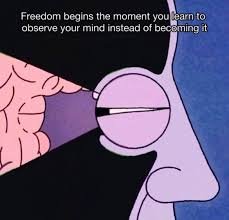
Existentially, volitional disappearance is devastating. To choose is to assert existence. Without choice, the self feels ghostlike — present but not operative. The person may feel that they are watching their life rather than living it. This contributes to a profound erosion of responsibility, guilt, pride, and moral weight. If one does not feel like the chooser, accountability becomes abstract.
Interpersonally, this state often goes unnoticed. The individual may appear cooperative, calm, and functional. In fact, they may be praised for being “easygoing.” Yet internally, they may feel erased. Compliance replaces agency. The absence of conflict is mistaken for health.
Therapeutically, volitional disappearance presents a paradox. Asking the patient to “make choices” presupposes the very capacity that is missing. Forcing decision-making can increase alienation or anxiety. The therapeutic task is not to demand choice, but to reawaken the experience of choosing.
This often begins with micro-volitions: noticing preferences rather than decisions. “Which feels slightly closer?” rather than “What do you want?” The goal is to reintroduce the bodily and emotional signals that precede intention. Choice must be felt before it can be articulated.
The therapist’s stance is crucial. Over-directiveness reinforces non-agency; excessive neutrality can leave the patient drifting. A balance is needed, where options are offered but not imposed, and where even minimal expressions of preference are highlighted and validated as acts of agency.
As volition begins to return, discomfort often emerges. Choosing means owning consequences. The earlier disappearance may have protected the individual from guilt, regret, or fear of error. Reclaiming agency requires tolerating these affects. Therapy must help the patient endure the weight of authorship without collapsing back into passivity.
Recovery is marked by subtle shifts: feeling a pause before action, sensing an internal “yes” or “no,” recognizing oneself as the initiator of movement. These moments may feel unfamiliar or even unsettling, but they signal the re-emergence of volition.
Ultimately, volitional disappearance reveals a fundamental truth of psychological life: action alone does not constitute agency. To live as a self is to feel oneself choosing, even imperfectly. When this feeling vanishes, life continues without ownership. Healing restores not control over everything, but the simple, vital experience of being the one who acts — the quiet conviction that “this movement begins with me.”