Narcissism is a psychological concept associated with an exaggerated sense of self-importance, a strong desire for admiration, and difficulties maintaining balanced interpersonal relationships. Although the term is frequently used in everyday conversations to describe people who appear selfish, arrogant, or excessively concerned with themselves, its psychological meaning is more complex. Narcissism exists in different forms and degrees, and not every person who displays self-centered behavior has a narcissistic personality disorder.
In psychology, narcissism generally refers to patterns of thinking, feeling, and behaving that involve an excessive focus on the self. Individuals with narcissistic tendencies may place considerable importance on recognition, status, personal achievements, and how others perceive them. They may also experience difficulties accepting criticism or acknowledging the emotional needs of other people. However, narcissism is not always expressed through obvious arrogance. Some individuals may appear confident and dominant, while others may be sensitive to rejection and highly concerned about how they are evaluated.
An important distinction in understanding narcissism is the difference between narcissistic traits and narcissistic personality disorder. Narcissistic traits can exist to varying degrees within the general population. For example, someone may occasionally seek admiration, become defensive when criticized, or place personal interests above those of others. These behaviors alone are insufficient to establish a psychological diagnosis. Narcissistic personality disorder, on the other hand, is a clinical condition characterized by a persistent pattern of grandiosity, a need for admiration, and difficulties involving empathy and interpersonal functioning. Diagnosis requires professional assessment.
One of the most recognized characteristics of narcissism is grandiosity. Grandiosity involves an exaggerated perception of personal importance, abilities, achievements, or uniqueness. Individuals displaying this pattern may believe that they deserve special treatment or that ordinary rules should not apply to them. They may exaggerate their accomplishments and expect others to recognize their superiority. In some cases, they may become disappointed or angry when they do not receive the attention they believe they deserve.
However, grandiosity does not necessarily mean that an individual has a genuinely stable sense of self-worth. Behind an apparently confident personality, there may be considerable sensitivity to criticism, rejection, or perceived failure. Some individuals may depend heavily on external recognition to maintain a positive self-image. When admiration is absent, their confidence may become unstable. This illustrates why outward confidence and internal psychological security should not be treated as identical concepts.
Another important feature associated with narcissism is the need for admiration. Recognition and appreciation are normal human needs. Most people enjoy receiving positive feedback and feeling valued by others. The difficulty arises when admiration becomes an essential requirement for maintaining self-esteem. An individual may constantly seek compliments, attention, or confirmation of personal superiority. Ordinary interactions can become opportunities to demonstrate success, attractiveness, intelligence, or social status.
The need for admiration may also influence relationships. A person who strongly depends on external validation may become dissatisfied when others receive attention or recognition. For example, a colleague’s professional success may be interpreted not as an independent achievement but as a threat to one’s own status. Instead of feeling happy for the colleague, the individual may respond with jealousy, criticism, or attempts to minimize the achievement. Such reactions can create competition even in relationships that would otherwise involve cooperation.
Empathy is another central concept in discussions of narcissism. Empathy refers to the ability to understand and respond to another person’s emotional experience. Individuals with pronounced narcissistic traits may struggle to consider other people’s feelings when those feelings conflict with their own needs or expectations. They may focus primarily on how a situation affects them and overlook the emotional consequences of their behavior. Nevertheless, empathy is a complex ability, and difficulties in expressing empathy do not always mean that a person is entirely incapable of understanding others.
Narcissistic behavior can also involve entitlement. Entitlement refers to the belief that one deserves special privileges, attention, or favorable treatment without necessarily considering whether such treatment is reasonable. An entitled individual may become frustrated when others refuse a request, establish boundaries, or expect equal consideration. In relationships, this can create an imbalance in which one person’s needs are consistently treated as more important than those of another.
Criticism can be particularly difficult for individuals with strong narcissistic tendencies. Even relatively neutral feedback may be interpreted as humiliation or disrespect. Instead of considering whether criticism contains useful information, the individual may focus on defending their self-image. This reaction can involve denial, anger, blaming others, or dismissing the person who offered the feedback. In psychological discussions, intense reactions to perceived threats to self-esteem are sometimes described using the concept of narcissistic injury.
Narcissistic injury refers to emotional distress that occurs when an individual’s sense of self-importance or desired self-image is challenged. It is not a formal diagnosis, but it is a useful concept for understanding certain reactions. For example, someone who considers themselves exceptionally intelligent may experience significant distress after receiving a poor evaluation. Rather than acknowledging the possibility of making a mistake, they may accuse the evaluator of being unfair or incompetent. The intensity of the reaction may be connected to how strongly the person’s identity depends on being viewed as superior.
Another concept associated with narcissism is narcissistic rage. This term describes intense anger or hostility that may emerge when a person experiences humiliation, criticism, rejection, or a perceived threat to their status. Not every angry reaction is narcissistic rage, and the concept should not be used to label ordinary disagreements. It is relevant when anger appears closely connected to protecting an exaggerated or fragile self-image.
Psychological discussions often distinguish between grandiose and vulnerable narcissism. Grandiose narcissism is generally associated with dominance, assertiveness, exhibitionism, and an exaggerated sense of superiority. Individuals displaying these tendencies may actively seek attention and appear highly confident. Vulnerable narcissism, in contrast, is more closely associated with insecurity, sensitivity to criticism, shame, and a strong concern about social evaluation. Individuals with vulnerable traits may not appear openly arrogant, but they may still experience considerable self-focused concerns and difficulties in relationships.
These two patterns are not necessarily completely separate categories. Some individuals may display characteristics of both, depending on the situation and their emotional state. For example, a person may behave confidently in professional environments but become highly sensitive to rejection in close relationships. Understanding this complexity helps prevent oversimplified assumptions about narcissistic behavior.
The origins of narcissistic traits are also complex. Psychological development is influenced by temperament, family experiences, social relationships, and broader environmental conditions. There is no single childhood experience that inevitably produces narcissism. Some theories examine how excessive praise, unrealistic expectations, emotional neglect, or inconsistent parental responses may contribute to the development of certain narcissistic patterns. However, these relationships are not simple or universal, and childhood experiences should not be treated as a complete explanation for an individual’s personality.
For instance, a child who receives constant messages that they are more important or talented than everyone else may develop unrealistic expectations about recognition and achievement. In another situation, a child who experiences insufficient emotional support may become highly dependent on external approval. These examples represent possible developmental influences rather than fixed causes. Personality develops through the interaction of multiple factors over time.
Social environments can also influence narcissistic tendencies. Modern digital platforms provide opportunities for individuals to present carefully selected versions of their lives. Photographs, achievements, professional updates, and personal experiences can become sources of public recognition. Seeking attention on social media does not automatically indicate narcissism. However, when self-worth becomes strongly dependent on likes, comments, followers, and constant comparison, individuals may become increasingly focused on external validation.
Social comparison is particularly relevant in this context. People naturally evaluate aspects of their lives in relation to others. However, excessive comparison may encourage individuals to measure personal value through appearance, wealth, professional success, or popularity. For someone with pronounced narcissistic tendencies, the achievements of others may become especially difficult to accept because they challenge an established sense of superiority.
Narcissism can create significant difficulties in romantic relationships. At the beginning of a relationship, an individual with narcissistic traits may appear charming, attentive, and confident. However, difficulties may emerge when the relationship requires compromise, mutual emotional support, and recognition of another person’s independent needs. A partner may feel that conversations repeatedly return to one person’s achievements, problems, or expectations.
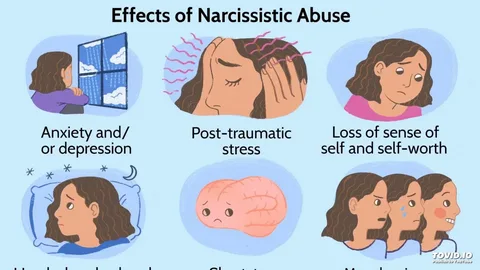
In some relationships, narcissistic patterns may involve manipulation, persistent criticism, or disregard for personal boundaries. These behaviors can gradually affect the other person’s confidence and emotional well-being. However, it is important not to interpret every unhealthy relationship as evidence of narcissistic personality disorder. Harmful behavior should be evaluated based on its actual impact, regardless of whether a clinical diagnosis is present.
The workplace is another environment in which narcissistic tendencies may become visible. Individuals who strongly seek recognition may compete for attention, exaggerate their contributions, or struggle to share credit with colleagues. They may respond negatively when their authority is questioned or when another employee receives praise. At the same time, certain characteristics associated with grandiosity, such as confidence and willingness to pursue ambitious goals, may sometimes be viewed positively in competitive professional environments. The consequences depend on the broader behavioral pattern and its effect on other people.
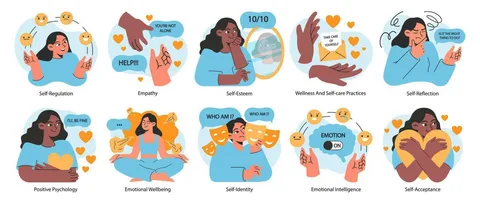
It is also important to understand the difference between narcissism and healthy self-esteem. Healthy self-esteem involves recognizing personal value without requiring constant confirmation from others. A person with healthy self-esteem can appreciate their achievements while accepting mistakes and recognizing the abilities of other people. Narcissistic patterns, in contrast, may involve an excessive need to protect a superior self-image. The distinction is not simply between confidence and insecurity, but between a relatively stable sense of personal worth and one that may depend heavily on admiration or comparison.
Self-awareness can help individuals recognize narcissistic tendencies in their own behavior. Questions about personal motivations, reactions to criticism, and attitudes toward other people’s achievements may reveal important patterns. For example, a person might consider whether they listen to others because they are genuinely interested or primarily because they are waiting for an opportunity to talk about themselves. They might also examine whether disagreement feels like a normal part of communication or a personal attack.
Recognizing such patterns does not require excessive self-criticism. Personality is complex, and most individuals display self-centered behavior occasionally. The purpose of self-reflection is not to create a negative identity but to understand how certain behaviors influence relationships and personal development. Acknowledging mistakes and accepting feedback can support more balanced interpersonal functioning.
Psychological treatment may be beneficial for individuals experiencing persistent difficulties related to narcissistic personality patterns. Psychotherapy can provide opportunities to explore self-image, emotional vulnerability, interpersonal expectations, and reactions to criticism. Treatment is not necessarily simple or immediate, particularly when individuals have limited awareness of their difficulties. However, meaningful psychological change is possible, and treatment should be approached without assuming that personality patterns can never change.
People who have difficult relationships with individuals displaying narcissistic behaviors may also benefit from psychological support. Learning to establish boundaries, recognize unhealthy interaction patterns, and protect emotional well-being can be important. It is not necessary to diagnose another person in order to acknowledge that a particular relationship is harmful or that certain behaviors are unacceptable.
Ultimately, narcissism is more than simply loving oneself or wanting to be successful. It involves complex relationships between self-image, recognition, emotional vulnerability, empathy, and interpersonal behavior. Understanding these dimensions allows people to move beyond everyday labels and consider the psychological processes that may influence human relationships. A healthy sense of self does not require superiority over others. It allows individuals to recognize their own value while accepting that other people possess equal dignity, independent needs, and meaningful achievements.