Truman Show Delusion is a rare and culturally influenced delusional disorder in which individuals become convinced that their lives are secretly being observed, recorded, or broadcast to an audience. Unlike classical persecutory delusions that focus on direct harm or threat, this syndrome is distinguished by the perception that one’s existence has been transformed into a form of entertainment or a controlled experiment. Ordinary environmental occurrences—such as media broadcasts, public conversations, or coincidental encounters—are interpreted as deliberate signals orchestrated by external agents, reinforcing the belief that reality itself is scripted. The delusion often draws inspiration from popular culture, notably films depicting life as a monitored or artificial construct, highlighting the interplay between media exposure and psychopathology.
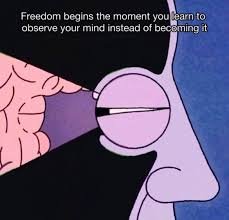
The disorder centers on a profound disruption of self-referential processing. Individuals perceive themselves as the central focus of all external events, transforming neutral or unrelated stimuli into personally meaningful signs. This heightened sense of personal significance generates pervasive hypervigilance, paranoia, and a constant search for hidden messages. Patients report meticulously analyzing interactions, environmental cues, and social behaviors to detect patterns, often exhausting themselves in the process. The blurring of internal thought and external reality can also produce intrusive rumination, emotional dysregulation, and chronic anxiety, as the individual experiences a continuous threat to personal privacy and autonomy.
Neurological and cognitive factors are believed to contribute to the emergence of Truman Show Delusion. Dysfunctions in brain regions responsible for reality monitoring, such as the prefrontal cortex, anterior cingulate, and parietal lobes, may impair the ability to differentiate between internally generated thoughts and external events. This deficit is compounded by hyperactivity in self-referential networks and aberrant salience attribution, causing ordinary stimuli to acquire exaggerated personal significance. In addition, comorbid psychiatric conditions—including schizophrenia, bipolar disorder, or severe anxiety disorders—appear to increase susceptibility, providing a fertile ground for culturally shaped delusional beliefs to take hold.
The social and emotional consequences of Truman Show Delusion are profound. Patients frequently withdraw from interpersonal contact, fearing observation or manipulation, and may become distrustful of family, friends, and even medical professionals. Sleep disturbances, irritability, and depressive symptoms commonly accompany the delusion, as the constant perception of being monitored generates persistent psychological strain. In some cases, the individual may attempt to test the boundaries of reality through elaborate behavioral experiments, which can exacerbate both risk and distress. The condition thus exemplifies the intersection of cognitive distortion, affective dysregulation, and sociocultural context, demonstrating how modern media and personal identity interact to shape psychopathology.
Treatment remains challenging due to the syndrome’s rarity and complex etiology. Antipsychotic medications targeting dopaminergic pathways can reduce delusional intensity, while cognitive-behavioral approaches aim to restore reality testing and reduce hypervigilance. Psychoeducation about the cognitive mechanisms underlying self-referential distortion and cultural influence is also essential to promote insight. Early intervention, combined with supportive therapy, appears to improve functional outcomes, although some patients experience persistent residual paranoia or mistrust.
Truman Show Delusion highlights the fragility of human perception and the intricate interplay between cognition, culture, and identity. By illustrating how ordinary environmental stimuli can be transformed into personalized narratives of surveillance, the syndrome offers critical insight into the neural and psychological mechanisms underpinning reality monitoring, selfhood, and the human need for control over one’s own life. It underscores the delicate balance between personal meaning-making and the potential for affective and cognitive overload, demonstrating that modern cultural narratives can profoundly shape the content and expression of psychopathology.