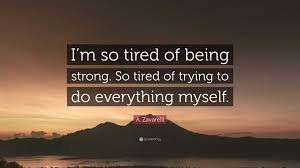
Emotional Overload Adaptation (EOA) is a hidden psychological pattern that develops when a person has spent too long being the “strong one.” It is not burnout, not anxiety, and not depression, though it can quietly coexist with all three. EOA forms when someone becomes emotionally responsible for too much, for too long, without space to rest or be supported.
People with EOA often appear reliable, calm, and composed. They are the ones others turn to in crises. They manage problems, offer advice, and carry emotional weight with quiet efficiency. Inside, however, there is a growing sense of exhaustion that does not go away with sleep or time off. It is not physical tiredness—it is emotional fatigue.
This condition usually begins in childhood or adolescence. The person may have grown up in a family where adults were unstable, overwhelmed, or emotionally unavailable. The child learns to step into the role of caretaker, mediator, or emotional anchor. Being strong becomes an identity, not a choice.
Over time, the nervous system adapts to constant emotional responsibility. The person stops expecting support and stops asking for help. Their inner world becomes focused on holding everything together. Vulnerability feels unsafe, selfish, or pointless.
Cognitively, EOA creates the belief that resting means failing. The person feels guilty when they are not productive or helpful. They minimize their own needs and tell themselves that others have it worse. This self-neglect becomes normalized.
Emotionally, they may feel flat, irritable, or disconnected. Small problems feel heavy. Joy feels short-lived. They may struggle to cry, even when deeply hurt, because their system is trained to stay functional instead of expressive.
In relationships, EOA leads to one-sided dynamics. They give more than they receive. They attract people who rely on them but rarely support them. Over time, resentment grows, even though they may not consciously recognize it.
Physiologically, EOA keeps the body in a prolonged stress state. This can lead to headaches, muscle tension, sleep problems, and low energy. The body is tired of carrying what the mind refuses to release.
Healing begins with redefining strength. True strength includes rest, boundaries, and asking for help. As the person learns that they are allowed to be supported, the nervous system slowly releases its burden.
EOA teaches that being strong should never mean being alone.