The nervous system possesses a remarkable capacity to change its own structure and function in response to experience. This ability, commonly described as neural plasticity, allows the brain to adapt continuously to new environments, acquire knowledge, refine skills, and recover partially from injury. Rather than functioning as a rigid biological machine, the brain behaves more like a dynamic system whose internal organization evolves through ongoing interaction with sensory input, behavior, and internal physiological processes. Understanding how neural plasticity reshapes brain networks provides insight into the mechanisms underlying learning, development, and long-term cognitive adaptation.
Neural plasticity operates across multiple levels of organization. At the smallest scale, it involves biochemical changes occurring within individual synapses. At larger scales, it includes structural modifications in dendritic branches, reorganization of neural circuits, and alterations in communication among large cortical networks. These processes interact over time, gradually transforming patterns of neural activity that ultimately influence perception, memory, and behavior.
Synapses represent the fundamental sites at which neural plasticity occurs. Each synapse forms a junction between two neurons where electrical signals from one cell influence the activity of another. The efficiency of signal transmission across this junction is not fixed. Instead, it depends on molecular mechanisms that regulate neurotransmitter release, receptor sensitivity, and the structural arrangement of the synaptic membrane.
When neurons repeatedly activate together, chemical signaling cascades are triggered within the synapse. These cascades can strengthen the connection by increasing the number or responsiveness of receptors embedded in the postsynaptic membrane. As a result, future signals transmitted across the same synapse produce larger electrical responses. Through repeated activation, entire pathways within neural circuits can become progressively more efficient at transmitting information.
This strengthening of synaptic communication forms one basis for learning. When an individual repeatedly practices a skill or encounters similar experiences, the neural circuits involved in processing those events undergo plastic modifications. These modifications allow the circuits to respond more rapidly and accurately when similar situations arise again.
Plasticity does not involve only strengthening connections. In many circumstances synapses may weaken when patterns of neural activity decline. This process prevents neural networks from becoming saturated with excessive connections and allows the brain to refine its internal organization by removing pathways that are no longer useful. The balance between strengthening and weakening synapses ensures that neural circuits remain flexible while maintaining stability.
Structural plasticity provides another important dimension of neural adaptation. Neurons extend numerous dendritic branches that form synaptic contacts with neighboring cells. These dendrites are not static structures. Over time they can grow new branches, retract existing ones, and alter the number of small protrusions known as dendritic spines where synapses occur.
The formation of new dendritic spines increases the number of potential synaptic connections available to a neuron. When experiences repeatedly activate particular circuits, the growth of additional spines may stabilize those circuits by providing more sites for synaptic communication. Conversely, when neural pathways remain inactive, dendritic spines associated with those pathways may gradually disappear.
These structural changes reshape the architecture of neural networks. Because each neuron participates in thousands of synaptic relationships, small modifications in dendritic structure can influence the flow of information across large portions of the brain. Over time, patterns of experience sculpt the physical layout of neural circuits.
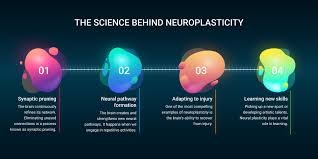
During early development neural plasticity operates with exceptional intensity. The young brain forms far more synaptic connections than it ultimately retains. This initial overproduction provides enormous potential for learning but requires later refinement. As development progresses, experiences guide the selective stabilization of useful connections while less active pathways are eliminated through synaptic pruning.
This pruning process enhances the efficiency of neural networks by reducing redundancy and strengthening circuits that correspond to frequently encountered patterns of sensory input. For example, exposure to visual environments during early childhood shapes the organization of circuits responsible for processing visual features such as orientation, depth, and motion.
Although plasticity is particularly strong during early life, it continues throughout adulthood. Adults retain the ability to acquire new skills, adapt to novel environments, and reorganize neural circuits after injury. However, the mechanisms supporting plasticity become more regulated with age, preventing excessive instability in mature neural networks.
One important factor influencing adult plasticity involves neuromodulatory systems that regulate the overall excitability of neural circuits. Neurotransmitters released by specialized brainstem and basal forebrain structures can alter the conditions under which synaptic modifications occur. These chemical signals often reflect motivational or attentional states, meaning that learning becomes more likely when experiences are behaviorally significant.
Attention plays a particularly important role in shaping plasticity. When individuals focus on specific stimuli or tasks, neural activity associated with those stimuli becomes amplified relative to competing signals. This selective amplification increases the probability that synaptic changes will occur within the relevant circuits. In this way attention acts as a gate that determines which experiences produce lasting modifications in neural networks.
Repetition also influences the stability of plastic changes. When neural circuits are activated repeatedly over time, the molecular signals responsible for synaptic strengthening become more persistent. Eventually these signals trigger gene expression within neurons, leading to the production of proteins that support long-term structural modifications.
Gene expression represents a critical step in transforming temporary synaptic adjustments into durable changes within neural networks. Newly synthesized proteins can alter the cytoskeleton of dendritic spines, stabilize receptor complexes, and promote the formation of additional synaptic contacts. Through these molecular processes, fleeting patterns of neural activity become embedded within the physical architecture of the brain.
Large-scale plasticity occurs when changes within individual synapses accumulate across entire networks. Cortical regions responsible for sensory processing provide clear examples of such network reorganization. When sensory input changes dramatically, the brain may reorganize the spatial maps representing that sensory information.
For instance, if sensory input from a particular body region decreases, neighboring regions within the sensory cortex may expand their representation into the unused area. This expansion occurs because neurons previously responding to the lost input begin responding to signals from adjacent sensory pathways. Over time the cortical map reorganizes itself to reflect the altered sensory environment.
Motor systems display similar plastic properties. Learning complex movements such as playing an instrument or mastering athletic techniques involves repeated activation of specific motor circuits. With practice these circuits undergo structural and functional modifications that improve coordination and timing. The brain gradually optimizes motor commands by strengthening pathways that produce successful outcomes while weakening those associated with errors.
The cerebellum plays a significant role in refining motor plasticity. Through feedback mechanisms comparing intended and actual movement outcomes, cerebellar circuits adjust the timing and precision of motor commands. These adjustments occur through synaptic modifications that fine-tune communication between neurons controlling muscle activity.
Plasticity also contributes to cognitive flexibility. The ability to adapt behavior when circumstances change depends on neural circuits capable of reorganizing their activity patterns. When individuals encounter unfamiliar problems, networks responsible for reasoning and decision making must explore alternative patterns of communication until effective solutions emerge.
Through repeated attempts and feedback, these networks gradually reinforce successful strategies. The resulting changes in connectivity allow the brain to perform similar tasks more efficiently in the future. Cognitive learning therefore reflects plastic modifications within networks responsible for integrating information, maintaining working memory, and guiding goal-directed behavior.
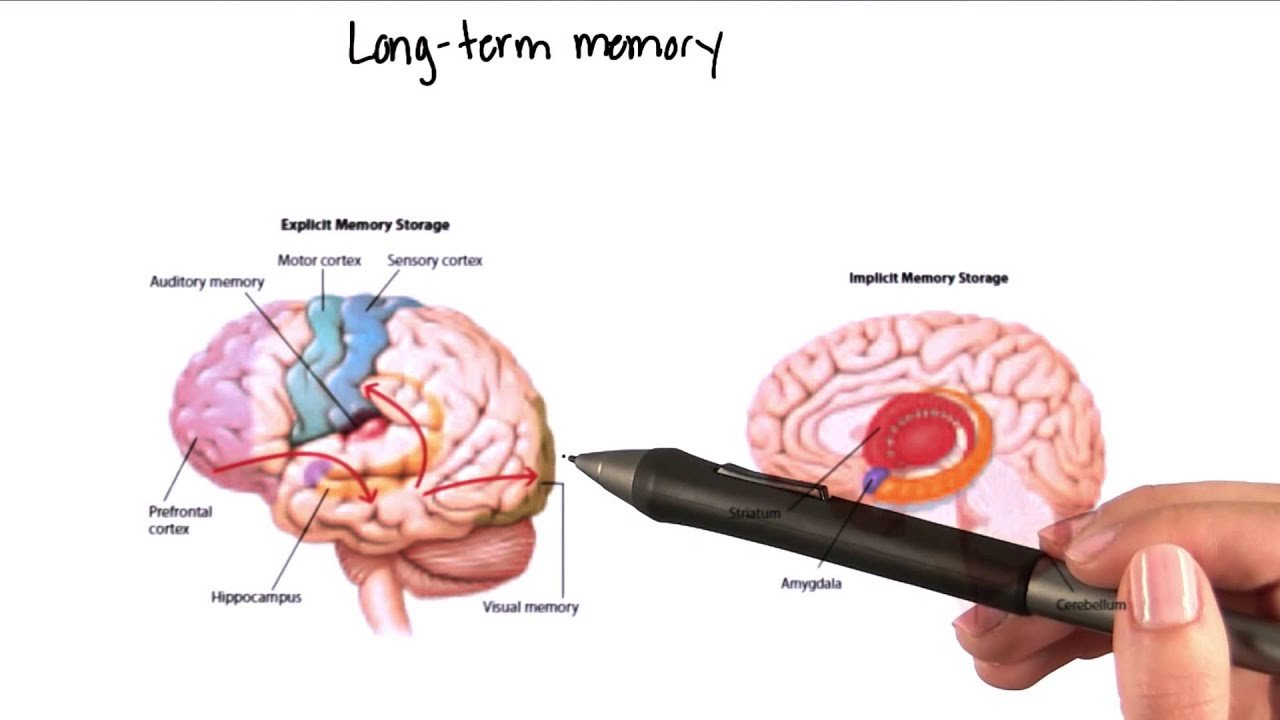
Memory consolidation represents another domain where neural plasticity plays a central role. Experiences initially encoded within temporary memory circuits must undergo stabilization to become long-term memories. This stabilization involves repeated reactivation of neural patterns and gradual strengthening of synaptic connections linking the participating neurons.
Sleep appears to provide an important opportunity for such reactivation. During certain stages of sleep the brain spontaneously replays patterns of neural activity associated with recent experiences. These replay events may reinforce synaptic connections within relevant circuits, facilitating the transformation of temporary memory traces into more stable representations.
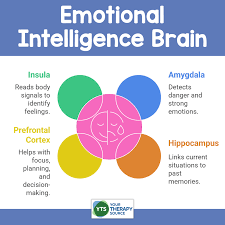
Emotional significance further influences plasticity. Experiences associated with strong emotional responses often trigger neurochemical signals that enhance synaptic modification. These signals increase the probability that emotionally relevant events will produce lasting changes in neural circuits. As a result such experiences often become particularly memorable and influential in guiding future behavior.
Stress, however, can have complex effects on plasticity. Moderate levels of stress may enhance learning by increasing alertness and motivating attention. Yet prolonged or intense stress can disrupt neural plasticity by altering hormonal systems and damaging delicate synaptic structures. Maintaining balanced physiological conditions therefore plays an important role in preserving the brain’s adaptive capacity.
Plasticity also underlies the brain’s ability to recover after injury. When neural tissue becomes damaged, surviving circuits may reorganize to compensate partially for lost functions. Neighboring regions sometimes assume roles previously performed by the injured area. Although recovery is rarely complete, this capacity for reorganization demonstrates the flexibility of neural systems.
Rehabilitation strategies often aim to harness plasticity by repeatedly activating circuits related to impaired functions. Through persistent practice and stimulation, surviving pathways may strengthen enough to restore partial abilities. Such approaches illustrate how understanding neural plasticity can inform therapeutic interventions.
The adaptability provided by neural plasticity represents one of the most defining features of the nervous system. Through continuous modification of synaptic connections, structural architecture, and network dynamics, the brain reshapes itself according to patterns of experience. This capacity enables learning, supports memory, and allows individuals to adjust behavior in response to changing environments.
Ultimately, neural plasticity illustrates that the brain is not merely an organ that processes information but also a system that continually rewrites its own structure. Each experience leaves subtle traces within neural networks, gradually shaping the patterns of activity that define perception, thought, and action. Through these ongoing transformations the brain remains capable of adaptation across the entire span of human life.