Sleep represents one of the most fundamental yet complex biological processes influencing the human nervous system. Although sleep appears outwardly as a passive state characterized by reduced awareness of the external environment, neuroscientific research has revealed that the sleeping brain remains highly active. Distinct patterns of neural oscillations emerge during different sleep stages, and these rhythms play crucial roles in regulating cognition, emotional stability, and neural maintenance. Understanding how sleep rhythms shape cognition provides insight into the intricate relationship between brain activity during rest and mental performance during wakefulness.
Sleep is not a uniform state. Instead, it unfolds through a cyclical progression of stages that repeat throughout the night. These stages include lighter phases of sleep, deeper slow-wave sleep, and rapid eye movement sleep. Each stage displays characteristic patterns of neural activity observable through electroencephalographic recordings. The shifting architecture of these stages reflects coordinated changes across widespread neural networks.
One of the most striking features of sleep involves rhythmic oscillations in brain activity. During slow-wave sleep, large groups of neurons fire in synchronized patterns that produce slow electrical waves across the cortex. These slow oscillations reflect alternating periods of neural excitation and silence. The synchronized nature of these rhythms allows communication across distant brain regions to occur in highly organized temporal windows.
Such coordination appears to play an essential role in cognitive processes related to memory consolidation. Experiences encountered during wakefulness initially form fragile neural representations. During sleep, particularly during slow-wave phases, the brain reactivates patterns of neural activity associated with these experiences. This reactivation strengthens the synaptic connections that encode memories, gradually stabilizing them within long-term neural networks.
The hippocampus contributes significantly to this process. During waking life, this structure temporarily stores representations of recent experiences. When sleep begins, the hippocampus repeatedly replays neural activity patterns corresponding to events encountered earlier in the day. These replay events occur in brief bursts synchronized with cortical oscillations, allowing information to transfer gradually from temporary storage to distributed cortical networks.
Through repeated cycles of replay and cortical synchronization, memory traces become integrated into broader neural systems. Over time the reliance on hippocampal storage diminishes, and memories become more permanently embedded within cortical circuits responsible for long-term representation. Sleep rhythms therefore function as a mechanism for reorganizing neural information across different brain regions.
Different types of memory appear to rely on distinct sleep stages. Declarative memories, which include factual knowledge and episodic experiences, benefit strongly from slow-wave sleep. In contrast, procedural memories related to motor skills and perceptual learning often show enhancement after periods of rapid eye movement sleep. The alternating structure of sleep cycles allows these forms of memory processing to occur sequentially during the night.
Rapid eye movement sleep presents a unique neural environment characterized by desynchronized cortical activity resembling wakefulness. Despite this similarity, sensory input from the external environment remains largely suppressed, allowing the brain to generate internally driven patterns of activity. These internally generated patterns are thought to contribute to the integration of emotional experiences and complex associative learning.
During this stage, neural circuits involved in emotional processing become particularly active. Structures associated with affective evaluation interact with cortical regions responsible for memory and cognition. This interaction may help the brain reorganize emotional experiences by integrating them into broader networks of meaning and personal significance.
Sleep rhythms also influence attention and executive functioning during waking life. When sleep becomes fragmented or insufficient, the neural systems supporting sustained attention often show reduced efficiency. Oscillatory patterns that normally coordinate communication among frontal and parietal networks become disrupted, impairing the brain’s capacity to maintain focused cognitive control.
These effects illustrate how cognitive performance during wakefulness depends heavily on neural events occurring during sleep. The brain requires periods of rhythmic synchronization to recalibrate communication among large-scale networks. Without these periods of recalibration, neural circuits may accumulate noise and inefficiency that degrade mental functioning.
Another critical function of sleep involves the regulation of synaptic strength across neural networks. Throughout waking hours, learning and sensory processing continuously strengthen numerous synaptic connections. If this strengthening continued indefinitely, neural circuits would eventually become saturated, leading to excessive energy consumption and reduced signal clarity.
Sleep appears to provide an opportunity for global synaptic recalibration. During slow-wave phases, widespread reductions in synaptic strength may occur across the cortex. This process selectively preserves the most important connections while weakening those representing less significant information. The result is a more efficient neural network capable of storing new information during the following day.
Energy metabolism within the brain also changes dramatically during sleep. Neural activity requires substantial metabolic resources, and prolonged wakefulness places increasing demands on cellular energy systems. Sleep allows metabolic processes to restore balance by reducing energy consumption and promoting cellular repair mechanisms.
Within neurons, molecular processes responsible for protein synthesis and structural maintenance become particularly active during sleep. These processes support the stability of synaptic connections that were strengthened during waking experiences. In this sense sleep provides a biological environment in which neural structures can be repaired and reinforced.
The regulation of sleep rhythms involves complex interactions among multiple brain regions. Specialized clusters of neurons within the brainstem and hypothalamus generate signals that coordinate transitions between sleep stages and wakefulness. These regions interact with thalamic circuits that regulate the flow of sensory information to the cortex.
The thalamus plays an especially important role in shaping the rhythmic patterns characteristic of different sleep stages. By altering its patterns of connectivity with cortical neurons, the thalamus helps generate synchronized oscillations that define slow-wave sleep. These oscillations create temporal windows in which cortical neurons fire together, enabling large-scale coordination across the brain.
Circadian rhythms further modulate the timing and quality of sleep. Internal biological clocks regulate daily fluctuations in physiological variables such as hormone secretion, body temperature, and neural excitability. These rhythms synchronize the sleep-wake cycle with environmental light and darkness, ensuring that restorative sleep occurs at optimal times.
Disruptions in circadian regulation can profoundly affect cognitive functioning. When individuals experience irregular sleep schedules or exposure to artificial light during nighttime hours, the alignment between circadian rhythms and sleep cycles may become disturbed. Such misalignment can reduce sleep efficiency and impair the neural processes responsible for memory consolidation.
Emotional regulation also depends strongly on sleep rhythms. Adequate sleep helps maintain balanced activity within neural circuits that process emotional information. When sleep becomes insufficient, heightened reactivity may occur in regions associated with threat detection and emotional evaluation. At the same time, regulatory control from frontal cortical areas may weaken, leading to exaggerated emotional responses.
This relationship between sleep and emotion highlights the importance of nightly neural recalibration. By reorganizing emotional memories and restoring balanced neural communication, sleep contributes to psychological resilience. Individuals who maintain stable sleep patterns often demonstrate greater emotional stability and improved stress management.
Developmental stages further illustrate the cognitive importance of sleep rhythms. Infants and children experience longer durations of sleep and spend greater proportions of time in rapid eye movement sleep compared with adults. These patterns may reflect the intense neural plasticity occurring during early brain development.
As the brain forms new connections and refines neural circuits during childhood, sleep provides a framework for stabilizing these changes. Repeated cycles of neural replay and synaptic adjustment allow developing networks to incorporate sensory experiences and learning events efficiently. The maturation of cognitive abilities therefore occurs in close relationship with evolving sleep architecture.
Aging introduces additional changes in sleep rhythms. Older adults often experience reduced slow-wave sleep and more fragmented sleep patterns. These alterations may influence cognitive performance, particularly in domains related to memory and attention. Research suggests that maintaining healthy sleep habits throughout life may help preserve neural functions associated with cognitive vitality.
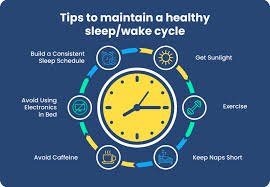
Modern lifestyles frequently challenge the natural rhythms that regulate sleep. Exposure to artificial light, irregular work schedules, and extended use of digital devices can delay the onset of sleep and reduce its duration. Over time these factors may weaken the synchronization of neural oscillations that support cognitive restoration.
Understanding the neural significance of sleep rhythms emphasizes the importance of protecting regular sleep patterns. Adequate sleep duration and consistent sleep schedules allow the brain to engage fully in the processes that stabilize memory, recalibrate synaptic connections, and restore metabolic balance.
Ultimately, sleep represents an active and highly organized biological state rather than a passive period of inactivity. Within the sleeping brain, complex patterns of neural oscillations orchestrate communication among distributed networks. These rhythms reshape synaptic connections, reorganize memories, and maintain the functional integrity of neural systems.
Through these nightly processes, sleep rhythms continuously shape cognition. They influence how experiences become memories, how emotions are regulated, and how efficiently neural networks operate during waking life. The dynamic interplay between sleep and cognition demonstrates that the brain’s capacity for learning and adaptation depends not only on periods of activity but also on the rhythmic restoration that occurs during sleep.