Emotion represents one of the most influential forces shaping human cognition and behavior. Every decision, perception, and memory carries some degree of emotional significance, even when individuals believe they are thinking purely rationally. Emotional responses influence attention, guide motivation, reinforce learning, and shape social interactions. From a neurological perspective, emotions arise not from a single brain structure but from coordinated activity among several interconnected neural systems that evaluate internal and external stimuli and translate these evaluations into physiological and behavioral responses.
The brain continuously monitors both environmental conditions and internal bodily states. Sensory information from the external world enters the nervous system through visual, auditory, tactile, and chemical pathways. At the same time, signals from the body’s organs, muscles, and circulatory system travel through interoceptive pathways that inform the brain about the body’s internal condition. Emotional experience emerges partly from the integration of these streams of information.
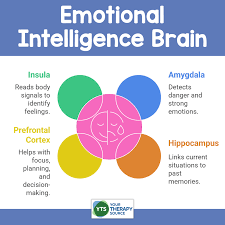
Certain neural structures play particularly important roles in evaluating the emotional relevance of incoming stimuli. These structures interact with cortical systems responsible for perception and cognition, allowing emotional signals to influence how events are interpreted and remembered. When a stimulus appears significant for survival, social interaction, or personal goals, emotional circuits become activated and modify the processing of information across the brain.
One crucial function of emotional systems involves detecting potential threats or opportunities within the environment. Organisms must respond rapidly to situations that may affect survival. Neural mechanisms responsible for emotional evaluation can therefore operate with remarkable speed, sometimes before conscious awareness fully interprets the stimulus.
This rapid evaluation occurs through pathways that transmit sensory information to subcortical structures capable of generating immediate responses. Such pathways allow the nervous system to initiate defensive or approach behaviors even before detailed analysis of the stimulus takes place in cortical regions. Although these early responses may later be modified by higher cognitive processes, their existence highlights the adaptive importance of emotional evaluation.
Emotional signals do not remain confined to subcortical circuits. Instead, they influence activity across widespread cortical networks. These influences shape attention by directing perceptual systems toward stimuli that carry emotional significance. For example, threatening or rewarding stimuli often capture attention more quickly than neutral stimuli. This prioritization increases the likelihood that the organism will respond appropriately to important events.
The interaction between emotional systems and attention reflects the brain’s need to allocate limited cognitive resources efficiently. The environment contains far more information than the brain can process simultaneously. Emotional evaluation helps determine which stimuli deserve priority within the limited capacity of conscious processing.
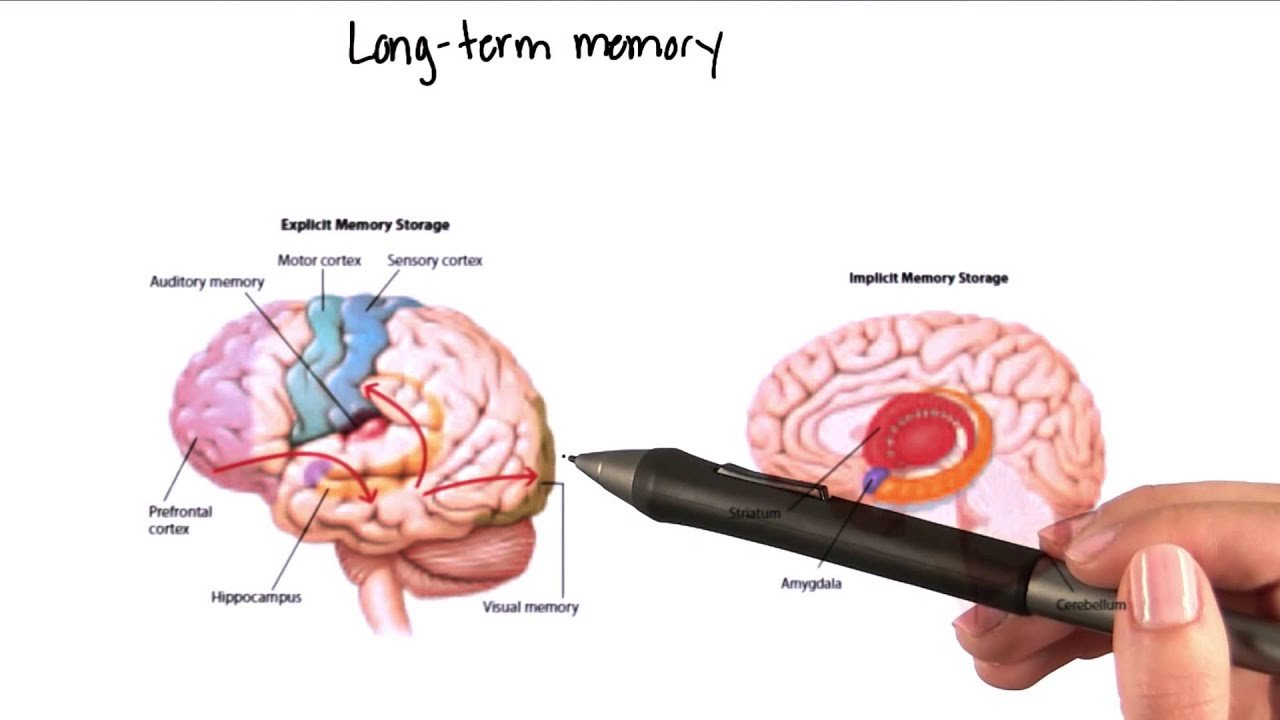
Emotion also plays a central role in learning. Experiences associated with strong emotional reactions tend to be remembered more vividly than neutral events. This phenomenon arises because emotional signals influence the neural mechanisms responsible for memory formation. When emotionally significant events occur, neurochemical changes enhance synaptic plasticity within memory-related circuits.
These neurochemical influences involve neuromodulatory systems that release signaling molecules affecting neuronal excitability and synaptic strength. Through these mechanisms, emotionally important experiences leave stronger traces within neural networks. The resulting memories help organisms recognize similar situations in the future and adjust behavior accordingly.
In addition to influencing memory formation, emotional systems interact with cognitive processes involved in decision making. When evaluating possible actions, the brain considers not only logical outcomes but also anticipated emotional consequences. Neural circuits integrate information about rewards, risks, and social implications, allowing individuals to weigh alternatives before selecting a course of action.
The interaction between emotion and decision making becomes particularly evident in situations involving uncertainty. When outcomes cannot be predicted with complete accuracy, emotional responses provide signals that guide behavior toward beneficial options and away from potential harm. These signals often manifest as intuitive feelings or gut reactions that influence choices even before deliberate reasoning occurs.
Behavioral regulation requires balancing emotional impulses with cognitive control. Emotional responses may motivate rapid action, but complex environments often require thoughtful planning rather than immediate reaction. Neural systems supporting cognitive control therefore interact with emotional circuits to regulate behavior according to long-term goals.
Cognitive control involves neural networks that monitor ongoing activity and adjust behavior when necessary. These networks evaluate conflicts between competing impulses, inhibit inappropriate responses, and maintain focus on relevant objectives. By modulating emotional signals, cognitive control mechanisms allow individuals to respond flexibly rather than react impulsively.
The coordination between emotional and cognitive systems depends on communication across distributed neural networks. Information about emotional significance must reach cognitive centers responsible for planning and reasoning, while cognitive systems must be able to influence emotional responses when circumstances require restraint or reevaluation.
This bidirectional interaction allows emotional experiences to be shaped by context and interpretation. For example, a sudden loud noise may initially trigger a fear response, but if the brain quickly identifies the source as harmless, cognitive evaluation can reduce the emotional reaction. Conversely, cognitive interpretations can amplify emotional responses when events are perceived as threatening or meaningful.
Physiological changes accompany emotional states as well. When emotional circuits activate, they often influence autonomic processes regulating heart rate, breathing, hormone release, and muscle tension. These physiological adjustments prepare the body for appropriate action, such as escaping danger or approaching rewarding stimuli.
The relationship between bodily responses and emotional experience has long been a topic of scientific investigation. Some theories propose that emotional feelings arise partly from the brain’s interpretation of physiological changes occurring in the body. According to this view, signals from internal organs contribute to the subjective experience of emotion.
Interoceptive pathways carry information about bodily states to regions of the brain involved in integrating physiological signals with cognitive and emotional processes. Through these pathways, changes in heart rate, respiration, and hormonal activity become part of the neural representation underlying emotional experience.
Emotions also contribute to social communication. Facial expressions, vocal tone, and body language convey emotional information that helps individuals interpret the intentions and feelings of others. Neural systems involved in recognizing such signals allow humans to navigate complex social environments and form cooperative relationships.
Understanding emotional expressions requires the brain to analyze subtle patterns of movement and sound. Specialized perceptual mechanisms detect these patterns and link them to internal representations of emotional states. Through repeated social interactions, individuals learn to associate specific cues with particular emotional meanings.
Empathy represents another dimension of emotional processing. When observing another individual’s emotional state, neural systems may partially reproduce patterns associated with that state within the observer’s brain. This mirroring process can generate feelings that resemble the emotions experienced by others, supporting social understanding and compassion.
Emotional regulation involves mechanisms that adjust the intensity and duration of emotional responses. Individuals often employ strategies to modify their emotional states, such as reinterpreting situations, redirecting attention, or engaging in behaviors that reduce stress. These strategies rely on neural systems capable of influencing emotional circuits through cognitive processes.
For example, reinterpreting the meaning of an event can alter emotional reactions. When individuals reconsider the significance of a situation, cognitive networks interact with emotional systems to modify the evaluation of the stimulus. Over time, such regulatory strategies can reshape neural responses and improve emotional resilience.
Stress provides a clear illustration of how emotional and physiological systems interact. When the brain perceives a threat, stress-related signaling pathways activate hormonal systems that prepare the body for action. Short-term activation of these systems can be adaptive, increasing alertness and energy availability.
However, prolonged activation of stress responses can disrupt neural functioning. Chronic stress may alter synaptic plasticity, affect memory processes, and influence mood regulation. Understanding how emotional systems interact with physiological stress mechanisms has therefore become an important focus of neuroscience research.
Another aspect of emotional processing involves the anticipation of future events. The brain frequently simulates possible outcomes and generates emotional responses associated with those imagined scenarios. Anticipation allows individuals to prepare for potential challenges or opportunities before they occur.
These simulations rely on interactions between memory systems and networks involved in imagination and planning. By combining elements of past experiences with predictions about the future, the brain constructs mental representations that guide emotional expectations and behavioral decisions.
Emotions therefore extend beyond immediate reactions to present stimuli. They also shape how individuals interpret memories of past events and imagine future possibilities. Through these influences, emotional systems contribute to the overall narrative structure of personal experience.
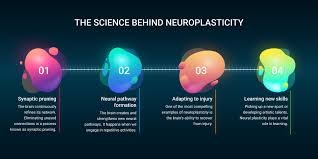
Neural plasticity ensures that emotional processing can change over time. Repeated experiences, learning, and environmental influences gradually modify the connections among neurons involved in emotional evaluation and regulation. These changes allow individuals to adapt to new circumstances and refine their emotional responses.
The development of emotional regulation during childhood illustrates this adaptive process. Early experiences with caregivers and social environments influence the maturation of neural systems responsible for managing emotional reactions. Supportive environments may strengthen regulatory mechanisms, while adverse experiences can alter emotional development.
Research into emotional neuroscience continues to reveal how deeply emotions are intertwined with cognition, perception, and behavior. Rather than existing as separate components of mental life, emotional and cognitive processes form integrated systems that shape the way individuals interact with the world.
Through the coordinated activity of distributed neural networks, the brain transforms sensory information, memories, and internal bodily signals into emotional experiences that guide behavior and influence thought. These mechanisms allow organisms not only to survive but also to navigate complex social and psychological landscapes.
The regulation of emotional experience therefore represents a fundamental function of the nervous system. By balancing emotional impulses with cognitive control and integrating physiological signals with perceptual interpretation, neural systems create the dynamic emotional landscape that characterizes human life.