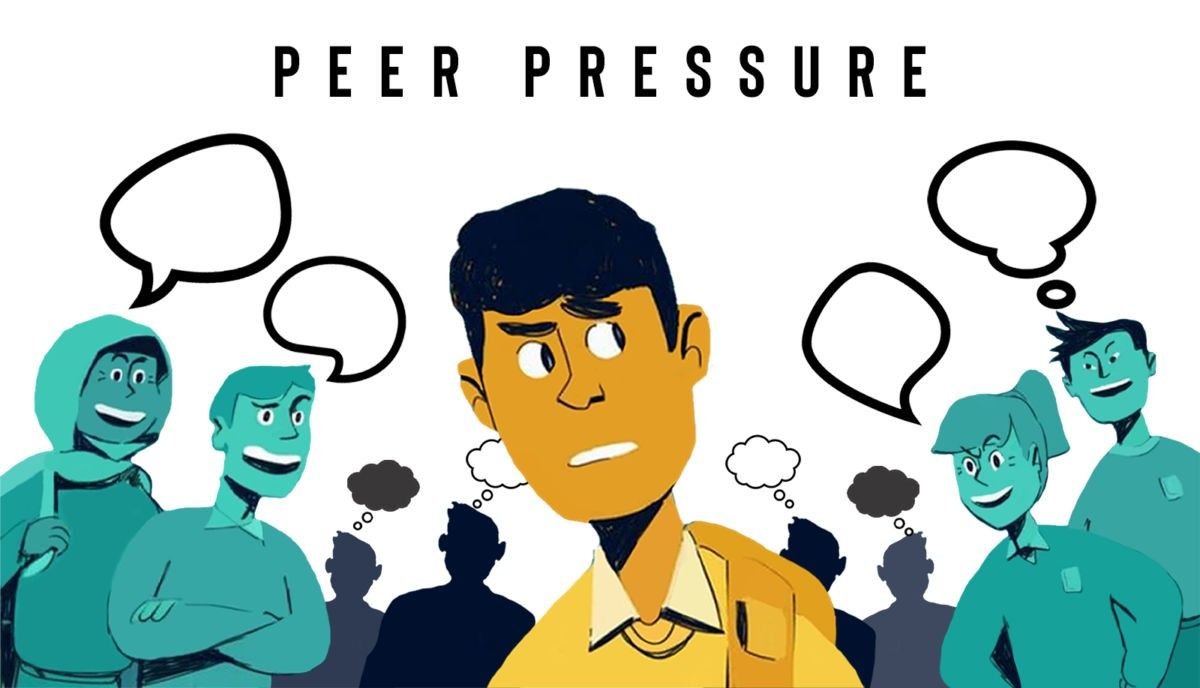
Fear of Judgment in Clinical Psychology
Fear of judgment is a common psychological experience in which individuals become concerned about how other people may evaluate, criticize, reject, or misunderstand them. People naturally pay attention to social evaluation because human relationships depend partly on cooperation, acceptance, and communication. Concern about how one is perceived can therefore serve an adaptive function. It may encourage individuals to consider the consequences of their behavior, respect social boundaries, and respond appropriately to different interpersonal situations. However, when fear of judgment becomes persistent, intense, or difficult to control, it may contribute to avoidance, self-monitoring, reduced self-expression, and psychological distress.
Fear of judgment does not necessarily indicate a mental disorder. Many psychologically healthy individuals feel uncomfortable when speaking publicly, meeting unfamiliar people, making mistakes, or expressing an unpopular opinion. The intensity of this experience can vary according to personality, context, previous experiences, and the perceived importance of the social situation. Clinical concern becomes more relevant when fear of evaluation begins to interfere substantially with everyday functioning, relationships, education, employment, or other meaningful activities.
One of the central features of fear of judgment is heightened attention to social evaluation. An individual may become unusually aware of facial expressions, tone of voice, body language, pauses in conversation, or other people’s reactions. Ordinary social signals may receive considerable mental attention. A neutral expression might be interpreted as disapproval, a delayed response as rejection, or a brief disagreement as evidence that the relationship has been damaged. Such interpretations are not necessarily conscious or deliberate. They may occur rapidly and become part of an established pattern of responding to social situations.
The fear of judgment is often connected to predictions about future social consequences. A person may anticipate embarrassment, criticism, rejection, humiliation, or loss of status. These predictions can occur before a social event and may produce anxiety even when no negative evaluation has actually occurred. The individual may imagine different ways in which a conversation could go wrong, repeatedly rehearse what to say, or avoid situations in which evaluation seems likely.
This anticipatory process can become self-reinforcing. If a person expects social judgment, they may avoid the situation. Avoidance can reduce anxiety temporarily, which may make avoidance feel effective. However, the individual then receives little opportunity to discover whether the feared outcome would actually occur or whether they could cope with it if it did. As a result, the belief that social situations are dangerous may remain unchanged or become stronger.
Self-focused attention is another important component. During social interactions, some individuals become highly focused on how they appear to others. They may monitor their voice, facial expressions, posture, clothing, gestures, or choice of words. Instead of concentrating primarily on the conversation itself, attention becomes directed toward evaluating personal performance. This can increase self-consciousness and make ordinary interactions feel unusually demanding.
For example, a person who is worried about appearing nervous may constantly check whether their hands are shaking or whether their voice sounds uncertain. Someone concerned about appearing unintelligent may carefully monitor every sentence before speaking. Ironically, this intense monitoring can interfere with spontaneous communication. The individual may hesitate, lose their train of thought, or become less engaged with the other person, which can then be interpreted as evidence that they are socially inadequate.
Fear of judgment may also involve assumptions about how other people think. Cognitive psychology describes processes such as mind reading, in which a person assumes that they know what others are thinking without sufficient evidence. Someone may think, “They probably think I am strange,” or “Everyone noticed that mistake.” These interpretations can feel convincing even when the available evidence is ambiguous.
Another common pattern is the spotlight effect, in which individuals may overestimate the extent to which other people notice their appearance, behavior, or mistakes. In reality, other people are often occupied with their own thoughts and concerns. This does not mean that nobody notices social behavior, but it suggests that the individual’s perceived level of scrutiny may sometimes exceed the actual level of attention from others.
Fear of judgment can be strongly influenced by previous social experiences. Experiences of ridicule, bullying, rejection, harsh criticism, humiliation, or repeated comparison may increase sensitivity to negative evaluation. If an individual repeatedly learns that expressing an opinion results in criticism, they may become cautious about expressing opinions in later environments.
Childhood experiences can be particularly relevant because early relationships contribute to the development of beliefs about the self and other people. A child who frequently receives messages that mistakes are unacceptable may become highly concerned about performing correctly. A child who is repeatedly compared with siblings or classmates may learn to associate social value with achievement. A child whose emotions are dismissed may become uncertain about whether emotional expression will be accepted.
These experiences do not determine psychological outcomes. People respond differently to similar environments, and later relationships can modify earlier expectations. Supportive friendships, positive educational experiences, increased self-confidence, and other protective factors may reduce the impact of earlier negative experiences. Psychological development is therefore better understood as a dynamic process rather than as a simple consequence of one childhood event.
Self-esteem can also influence fear of judgment. When a person’s sense of self-worth is unstable, external evaluation may become particularly important. Compliments may produce temporary reassurance, while criticism may produce a strong emotional reaction. The individual may begin to interpret social feedback as evidence about their overall worth rather than as information about a specific behavior.
For example, receiving criticism about a work assignment can be interpreted in two different ways. One person may think, “There are some aspects of this work that I need to improve.” Another may conclude, “I am incompetent, and everyone must think I am incompetent.” The second interpretation extends a specific evaluation to the entire self. Such global self-evaluation can intensify fear of future criticism.
Perfectionism may develop alongside this pattern. If mistakes are perceived as evidence of personal inadequacy, an individual may attempt to prevent every possible error. They may spend excessive time preparing, checking, rehearsing, or correcting their behavior. While preparation can be useful, excessive preparation may become exhausting and may reinforce the belief that ordinary performance is unsafe.
Fear of judgment can also affect communication. Some individuals may speak very little because they are afraid of saying something inappropriate. Others may overexplain, apologize repeatedly, or attempt to anticipate every possible misunderstanding. Some may avoid expressing disagreement even when they have strong opinions. These behaviors may temporarily reduce anxiety but can make communication less authentic and may contribute to frustration.
The desire to avoid negative evaluation can influence relationships in subtle ways. A person may agree with friends despite disagreement, accept unwanted requests, or avoid discussing personal needs. They may fear that setting boundaries will cause others to become angry or withdraw. Over time, this pattern may create an imbalance in relationships because the individual’s needs remain less visible.
Fear of judgment can also be connected to people-pleasing. Being considerate and wanting others to be comfortable are normal interpersonal qualities. However, when pleasing others becomes a strategy for preventing rejection, the person’s behavior may be governed primarily by fear. They may have difficulty saying no, tolerate inappropriate behavior, or experience intense guilt after asserting themselves.
Social comparison may further increase sensitivity to evaluation. People naturally compare themselves with others, particularly regarding appearance, achievements, relationships, financial circumstances, and social status. When comparison becomes frequent and primarily focuses on perceived shortcomings, individuals may become increasingly concerned about how they measure up.
Contemporary digital environments can amplify this process. Social media provides frequent opportunities for public or semi-public evaluation. Likes, comments, views, followers, and other forms of feedback can become visible indicators of social response. Some individuals may interpret these indicators as evidence of personal value. A post receiving little attention may be experienced as rejection even though online engagement is influenced by many factors unrelated to personal worth.
Fear of judgment can also occur in professional and academic settings. A student may avoid asking questions because they fear appearing unintelligent. An employee may hesitate to contribute an idea during a meeting because they anticipate criticism. A qualified professional may avoid applying for an opportunity because they believe other candidates are more capable. These patterns can restrict development even when the person possesses relevant skills.
The consequences of such avoidance can extend beyond the immediate situation. When individuals repeatedly avoid activities because of fear of evaluation, they may lose opportunities to develop competence and confidence. The absence of experience can then be interpreted as evidence that they are incapable. This can create a cycle in which fear leads to avoidance, avoidance reduces experience, and reduced experience reinforces self-doubt.
In clinical psychology, fear of negative evaluation is particularly relevant to social anxiety disorder. Social anxiety disorder involves persistent fear or anxiety in situations involving possible scrutiny or negative evaluation, accompanied by significant distress or impairment. However, ordinary shyness, introversion, temporary nervousness, and concern about social approval should not automatically be interpreted as social anxiety disorder. Diagnosis requires consideration of duration, intensity, functional impairment, context, and other relevant clinical features by a qualified professional.
The distinction between introversion and fear of judgment is particularly important. Introverted individuals may prefer quieter environments and smaller social groups without necessarily fearing evaluation. They may enjoy social interaction but require time alone to recover from stimulation. A person who avoids social situations because they genuinely prefer solitude is psychologically different from someone who wants social connection but avoids it because of intense fear of criticism. These experiences can sometimes overlap, but they should not be treated as identical.
Fear of judgment can also appear in other forms of psychological distress. Individuals experiencing depression may become more sensitive to perceived criticism because negative beliefs about the self are already present. People with perfectionistic tendencies may fear evaluation because mistakes conflict with demanding personal standards. Individuals who have experienced interpersonal trauma may become particularly attentive to signs of rejection or threat. These associations are complex, and the presence of fear of judgment does not establish any particular diagnosis.
Rumination may maintain social concerns after an interaction has ended. A person may repeatedly replay a conversation and analyze what they said, how they looked, or how another person responded. They may focus on a minor mistake and imagine that it had a much greater impact than it actually did. This process can prolong anxiety long after the social situation has ended.
Post-event rumination can also reduce the individual’s ability to learn from social experiences objectively. Instead of reviewing the interaction neutrally, the person may selectively remember moments that appear embarrassing. Positive or neutral aspects may receive less attention. The resulting memory can strengthen the belief that social situations are consistently negative.
Reassurance-seeking can become another maintaining factor. A person may repeatedly ask friends whether they behaved strangely or whether someone appeared angry. Reassurance can provide temporary relief, but frequent reliance on it may prevent the individual from developing confidence in their own interpretation of social situations. The person may become increasingly dependent on external confirmation.
From a cognitive behavioral perspective, one therapeutic aim may be to identify the thoughts, predictions, emotions, and behaviors associated with fear of judgment. The individual can examine questions such as: What exactly am I afraid will happen? What evidence supports this prediction? What evidence does not support it? If the feared event occurred, how might I cope with it? Such questions can help distinguish realistic social concerns from assumptions that have become overly generalized.
Behavioral approaches may also involve gradual exposure to feared situations when clinically appropriate. Exposure does not mean forcing someone into an overwhelming situation. It generally involves carefully planned experiences that allow the individual to approach situations that have been avoided while learning that anxiety can decrease and that feared outcomes may not occur as expected. Professional guidance can be particularly important when avoidance is severe.
Acceptance-based approaches may emphasize a different principle. Rather than requiring the individual to eliminate anxiety before participating in social life, therapy may help the person make room for uncomfortable feelings while acting according to personally meaningful values. A person might learn that feeling nervous does not necessarily mean they should remain silent. The presence of anxiety can coexist with communication, relationships, work, education, and other valued activities.
Self-compassion may also be relevant. Individuals who fear judgment often judge themselves harshly before anyone else has expressed criticism. They may believe that every mistake must be corrected immediately or that embarrassment is evidence of personal inadequacy. Developing a more compassionate internal response may reduce the intensity of self-criticism and allow mistakes to be understood as part of ordinary human functioning.
Healthy boundaries are another important area. A person who fears judgment may believe that maintaining relationships requires constant agreement. Learning to communicate preferences respectfully can challenge this assumption. Saying no to a request does not necessarily mean rejecting the person making the request. Disagreement does not automatically mean that a relationship has failed.
At the same time, psychological treatment should not assume that all fears of judgment are irrational. Some environments genuinely involve criticism, discrimination, bullying, or interpersonal danger. A person may have realistic reasons to be cautious about expressing certain opinions or characteristics in a particular environment. Clinical assessment should therefore consider the individual’s social circumstances rather than focusing exclusively on internal thoughts.
Cultural context is especially important. Standards of appropriate behavior differ across societies and communities. Communication styles, family roles, emotional expression, clothing, independence, and interpersonal boundaries may have different meanings in different cultural contexts. A behavior that is considered unusual in one environment may be ordinary in another. Understanding fear of judgment therefore requires sensitivity to cultural expectations.
The relationship between judgment and identity is also significant. When people strongly fear negative evaluation, they may hide characteristics that they consider socially unacceptable. They may conceal interests, beliefs, emotions, or preferences. This can provide short-term protection but may also produce a sense of disconnection from others. Authentic relationships generally require some degree of self-disclosure and vulnerability, although the appropriate level varies according to the relationship and context.
Fear of judgment can therefore create a paradox. The person may want to be accepted but may become so focused on avoiding rejection that genuine connection becomes more difficult. If someone constantly monitors their behavior, they may have less attention available for listening, responding, and experiencing the interaction itself. Social connection can become a performance rather than a shared experience.
Developing tolerance for uncertainty can be helpful. No individual can know exactly what everyone else thinks. Even socially confident people sometimes misunderstand others or experience criticism. Psychological flexibility involves accepting that uncertainty is part of interpersonal life. The goal is not to achieve complete certainty about how one is perceived but to develop the ability to function despite not knowing.
It may also be useful to distinguish between being judged and being rejected. People can disagree with an opinion without rejecting the person. A colleague may criticize a proposal while continuing to respect the individual. A friend may dislike a particular decision while maintaining the relationship. A family member may disagree with a life choice without withdrawing affection. Recognizing these distinctions can reduce the tendency to interpret every disagreement as a threat to belonging.
Ultimately, fear of judgment exists on a continuum. At a moderate level, concern about social evaluation can encourage reflection, consideration, and appropriate adaptation. At higher levels, persistent fear may contribute to avoidance, self-monitoring, reassurance-seeking, perfectionism, and reduced participation in meaningful activities. The psychological significance depends not simply on whether a person cares about other people’s opinions, but on how strongly those opinions control behavior and self-worth.
A healthier relationship with social evaluation does not require becoming indifferent to other people. Human relationships necessarily involve feedback, disagreement, cooperation, and mutual influence. Instead, psychological flexibility may involve learning to listen to social feedback without automatically accepting every judgment as a definition of the self. A person can acknowledge mistakes while retaining self-respect, consider criticism without collapsing into shame, and tolerate disagreement without assuming that rejection is inevitable.
Fear of judgment is therefore best understood as a complex interaction between social needs, personal beliefs, previous experiences, emotional responses, and environmental circumstances. For many people, it remains within the normal range of human experience. For others, particularly when it becomes persistent and impairing, it may be associated with clinically significant anxiety or other psychological difficulties. Careful assessment is necessary to understand the individual pattern.
The broader psychological goal is not to eliminate concern about other people’s opinions but to develop a more balanced relationship with social evaluation. Individuals may benefit from learning that they cannot completely control how others perceive them, while they can influence how they respond to judgment. They can choose when to adapt, when to communicate, when to establish boundaries, and when to continue pursuing meaningful activities despite discomfort.
In this sense, psychological resilience does not mean never feeling embarrassed, criticized, or misunderstood. It may instead involve the capacity to experience these events without allowing them to determine one’s entire sense of identity or future behavior. Fear of judgment becomes less restrictive when individuals can recognize that social evaluation is only one source of information about themselves and not an absolute measure of their worth.