From early childhood, people are taught to chase success. Good grades promise a better future. A prestigious university promises opportunity. A stable career promises security. Wealth promises comfort. Recognition promises validation. Step by step, success is presented as the pathway to happiness. The formula appears simple: achieve more, feel better. Yet many individuals who reach their goals discover something unexpected. The long-imagined satisfaction feels temporary. The joy fades faster than anticipated. A new target immediately replaces the old one.
This pattern raises an unsettling question: if success does not permanently satisfy, what exactly are people chasing?
Part of the answer lies in how the human brain processes achievement. When someone reaches a goal, the brain releases dopamine, a neurotransmitter associated with motivation and reward. Dopamine creates a surge of pleasure and excitement. However, it is designed to encourage pursuit, not prolonged contentment. Once the goal is achieved, dopamine levels stabilize. The brain then seeks the next objective to stimulate motivation again. This cycle keeps people striving but rarely allows them to rest in fulfillment.
This neurological mechanism explains why external achievements often feel less satisfying than expected. A promotion, a new house, public recognition—each brings excitement, but the emotional high diminishes. The mind quickly adapts to improved circumstances. What once seemed extraordinary becomes normal. Psychologists refer to this as hedonic adaptation. Humans rapidly adjust to changes, whether positive or negative. As a result, lasting happiness rarely comes from external gains alone.
Society reinforces the idea that success equals worth. Individuals are praised for accomplishments, productivity, and visible milestones. Rarely are they celebrated simply for existing. Over time, identity becomes intertwined with achievement. “I am successful” gradually transforms into “I am my success.” This fusion creates pressure. If achievement defines worth, failure threatens identity. The pursuit of success becomes less about joy and more about validation.
Comparison intensifies this dynamic. In a world saturated with social media, people constantly observe others’ accomplishments. Promotions, awards, travel, luxury purchases, fitness transformations—highlights are displayed continuously. Even when someone achieves something meaningful, comparison diminishes satisfaction. Instead of appreciating progress, the mind asks, “Who is ahead of me?” This endless comparison shifts focus from internal growth to external ranking.
Another layer of illusion lies in expectation. People often imagine that reaching a certain milestone will resolve deeper emotional struggles. They believe that financial stability will eliminate anxiety, that marriage will cure loneliness, that professional recognition will silence insecurity. While success can improve circumstances, it rarely transforms internal patterns completely. Unresolved fears, self-doubt, or attachment wounds tend to follow individuals into new environments.
This does not mean success is meaningless. Achievement can provide opportunities, security, and experiences that enhance life. Financial stability reduces certain stressors. Professional fulfillment can foster purpose. Creative recognition can validate effort. The issue arises when success is treated as the sole source of happiness rather than one component of a balanced life.
Purpose differs from achievement. Achievement focuses on outcome; purpose focuses on meaning. A person may achieve impressive milestones yet feel empty if those milestones lack personal significance. Conversely, someone pursuing meaningful work, even without public recognition, may experience deep satisfaction. The difference lies in alignment between actions and values.
Values act as an internal compass. When individuals pursue goals aligned with their core beliefs, the journey itself becomes fulfilling. When goals are chosen primarily for external approval, satisfaction remains fragile. Many people chase paths that impress others rather than reflect authentic desire. Only later do they realize that applause cannot substitute for inner peace.
Relationships also play a central role in well-being. Research consistently shows that meaningful connections contribute more to long-term happiness than wealth or status alone. A successful career without supportive relationships often feels hollow. Humans are social beings. Emotional intimacy, trust, and shared experiences provide stability that external achievements cannot replicate.
There is also a difference between extrinsic and intrinsic motivation. Extrinsic motivation depends on rewards, money, status, or recognition. Intrinsic motivation arises from enjoyment, curiosity, and personal growth. When success is driven primarily by external rewards, fulfillment remains dependent on continued validation. When motivation is intrinsic, satisfaction comes from the activity itself.
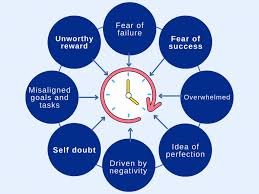
The fear of losing success can undermine its enjoyment. High achievers often live with constant anxiety about maintaining their position. The higher the status, the greater the perceived fall. Instead of relaxing into accomplishment, they remain alert, afraid of failure. This pressure reduces the emotional benefit of achievement.
Interestingly, some individuals experience post-achievement emptiness. After dedicating years to reaching a major goal—completing a degree, building a company, training for a competition—they suddenly feel lost once it is accomplished. The structure and direction that pursuit provided disappear. Without a new aim, identity feels unstable. This phenomenon reveals that striving itself can provide meaning independent of outcome.
Mindfulness offers insight into this paradox. When individuals focus entirely on future success, they neglect present experience. Life becomes a sequence of deferred happiness: “I will relax when I finish this project.” “I will be happy when I reach this income.” Yet the present moment is the only time happiness can actually be experienced. If contentment is always postponed, it never fully arrives.
Gratitude interrupts hedonic adaptation. Actively appreciating what has already been achieved slows the brain’s tendency to normalize gains. Reflecting on progress fosters contentment. Without gratitude, even extraordinary success becomes invisible.
Redefining success can transform its emotional impact. Instead of measuring it solely by income or recognition, it can include health, emotional regulation, supportive relationships, integrity, and personal growth. This broader definition reduces pressure and encourages balance.
It is also important to acknowledge that financial and professional stability matter, particularly when basic needs are unmet. Chronic financial stress significantly affects mental health. For individuals struggling with survival concerns, success in terms of stability can indeed increase well-being. The illusion emerges when material abundance is expected to solve existential dissatisfaction.
Self-awareness clarifies the relationship between success and happiness. Asking reflective questions helps: Why do I want this goal? What do I believe it will give me emotionally? Is there another way to experience that feeling now? Sometimes the desired emotion—security, respect, belonging—can be cultivated through relationships or internal work rather than external milestones alone.
Failure also reshapes perception of success. Experiencing setbacks often reveals that identity remains intact despite disappointment. This realization reduces fear and allows a healthier relationship with achievement. Success becomes expression rather than proof of worth.
In the end, success is neither purely illusion nor guaranteed happiness. It is a tool. It can create opportunity, structure, and pride. But it cannot replace self-acceptance, connection, or inner alignment. Happiness emerges from a combination of meaningful effort, authentic relationships, emotional resilience, and present awareness.
The problem arises when success is treated as the final destination rather than part of the journey. When individuals believe that one more milestone will finally complete them, they remain trapped in perpetual striving. When they integrate achievement with gratitude and purpose, success enhances rather than defines life.
Perhaps the deeper question is not whether success brings happiness, but whether happiness is being postponed in pursuit of success. If contentment is allowed to coexist with ambition, the illusion dissolves. Achievement becomes expression rather than escape.
And in that shift, success no longer carries the burden of providing permanent fulfillment. It becomes one meaningful thread in a much larger tapestry of human experience.