Emotional Suppression Reflex (ESR) is a subtle psychological pattern in which individuals automatically silence their emotional responses to avoid conflict, rejection, or vulnerability. It is not introversion, not emotional coldness, and not social anxiety. Instead, it is a learned reflex that equates emotional expression with danger.
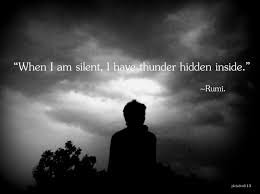
People with ESR often appear calm, controlled, and composed. They rarely show distress, anger, or sadness in public. Yet internally, emotions still exist—they are simply pushed downward before reaching conscious expression. This creates a split between inner experience and outer behavior.
This reflex typically develops in environments where emotional expression is met with punishment, ridicule, or emotional withdrawal. Over time, the nervous system learns that silence equals safety. The body responds by inhibiting emotional expression before it can be seen.
Unlike emotional numbness, individuals with ESR feel deeply, but in private. They may cry alone, process silently, and avoid sharing struggles. This pattern can appear as strength, but it is rooted in fear of being misunderstood or rejected.
Emotionally, ESR leads to internal pressure. Suppressed feelings do not disappear; they accumulate. Over time, this may result in sudden emotional release, fatigue, or unexplained sadness.
In relationships, ESR creates distance. Others may feel shut out, while the individual feels misunderstood. Intimacy is limited by the fear of being emotionally visible.
Healing involves learning that expression does not equal danger. Through small, safe disclosures, the nervous system gradually relearns that emotions can be shared without loss of safety.
ESR reminds us that silence may protect us—but it can also isolate us.