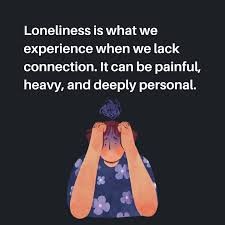
How can a world that has never been more connected feel so deeply lonely? This question echoes quietly in the minds of millions of people who scroll endlessly through social media feeds, respond to dozens of messages each day, and yet still go to bed with a sense of emotional emptiness. The paradox of modern life lies in this contradiction: we are surrounded by communication tools, but meaningful connection often feels rare and fragile. Loneliness today is not merely the absence of people; it is the absence of understanding, presence, and shared depth. In exploring whether modern loneliness means we have forgotten how to truly connect, we must examine technology, social structures, personal fears, and the shifting nature of human relationships.
The digital age has transformed communication into something immediate and constant. Messages travel across continents in seconds. Video calls allow families separated by oceans to see each other’s faces. Social media platforms promise connection with hundreds or even thousands of acquaintances. Yet quantity does not guarantee quality. When interactions are reduced to likes, short comments, and carefully edited photographs, relationships risk becoming performances rather than authentic exchanges. Many individuals present idealized versions of themselves online, hiding vulnerability behind filters and curated captions. In such an environment, comparison replaces empathy, and validation replaces genuine dialogue. We begin to measure our worth through external approval rather than internal understanding.
At the same time, urbanization has altered traditional community structures. In earlier generations, people often lived near extended family members and lifelong neighbors. Shared routines, celebrations, and hardships created natural bonds. Today, mobility is common. Individuals move to different cities or countries for education and career opportunities. While this mobility offers growth and independence, it can also disrupt stable support systems. Building new friendships in unfamiliar environments requires time, emotional energy, and courage. Many adults struggle to form close friendships outside structured settings like school. Workplaces may foster collaboration, but professional relationships do not always translate into deep personal connections.
Another contributing factor to modern loneliness is the culture of busyness. Productivity is frequently equated with value. Long working hours, side projects, and constant self-improvement efforts leave little space for unstructured social interaction. Genuine connection requires time — time to listen without distraction, time to share stories, time to sit in silence without feeling pressured. When schedules are overloaded, relationships can become secondary priorities. People may assume that quick texts are sufficient substitutes for long conversations. Over time, this pattern weakens emotional intimacy.
Psychological factors also play a significant role. Fear of vulnerability often prevents authentic connection. To truly connect with someone means to reveal imperfections, insecurities, and doubts. In a competitive and image-conscious society, vulnerability can feel risky. Many individuals protect themselves by maintaining emotional distance. They share surface-level details while keeping deeper struggles private. However, connection thrives in honesty. When people dare to speak openly about their fears and experiences, they invite others to do the same. Without vulnerability, relationships remain polite but shallow.
Social media algorithms further complicate the situation by encouraging echo chambers. People are shown content that aligns with their existing beliefs and preferences. While this creates comfort, it can reduce exposure to diverse perspectives. Dialogue becomes polarized rather than exploratory. True connection requires the ability to engage respectfully with differences. When communication spaces reward outrage and quick reactions, thoughtful conversation becomes less common. As a result, individuals may feel misunderstood or isolated within their own communities.
Family dynamics have also evolved. Smaller family sizes and geographic dispersion can limit daily intergenerational interaction. Grandparents, parents, and children may live far apart, communicating primarily through digital means. Although technology bridges distance, physical presence carries unique emotional power. Simple gestures — sharing a meal, offering a hug, sitting together during difficult times — cannot be fully replicated on a screen. The absence of consistent physical closeness can subtly intensify feelings of isolation.
Economic pressures add another layer to the problem. Financial instability, rising living costs, and job insecurity can create chronic stress. Stress narrows emotional bandwidth. When individuals are preoccupied with survival concerns, they may have limited capacity to invest in relationships. Social outings may feel like luxuries rather than necessities. Over time, isolation becomes normalized. People convince themselves they are simply independent or self-sufficient, even when they long for companionship.
Despite these challenges, it would be inaccurate to conclude that humanity has entirely forgotten how to connect. Rather, the forms of connection are changing, and we are still learning how to navigate them. Online communities, for example, can provide support for individuals with rare interests or marginalized identities. Someone struggling with a specific health condition or niche passion may find understanding in digital spaces that would be impossible locally. These communities demonstrate that meaningful connection can exist online when honesty and shared experience are prioritized.
However, intentionality becomes essential. Unlike traditional communities that formed through proximity, modern relationships often require deliberate effort. Scheduling regular meetings, initiating deeper conversations, and setting boundaries with technology are conscious choices. People who cultivate rituals — weekly dinners with friends, monthly family gatherings, shared hobbies — often report stronger social bonds. These practices create consistency, which nurtures trust.
Education systems can also influence our ability to connect. Emotional intelligence, empathy, and communication skills are not always emphasized in formal curricula. Teaching young people how to express feelings, resolve conflicts, and listen actively could strengthen future relationships. When individuals understand their own emotions, they are better equipped to understand others. Connection is not solely a spontaneous occurrence; it is a skill that can be developed.
The role of self-connection should not be overlooked. Paradoxically, individuals who are uncomfortable being alone may struggle most with loneliness. When solitude feels threatening, relationships may be pursued out of fear rather than genuine compatibility. Developing a healthy relationship with oneself — through reflection, creativity, or spiritual practice — can reduce dependency on external validation. From this foundation, connections become choices rather than desperate needs.
Cultural narratives about independence may also require reevaluation. In many modern societies, self-reliance is celebrated. While independence is valuable, humans are inherently social beings. Neuroscience research suggests that social connection affects mental and physical health. Chronic loneliness has been associated with increased risks of anxiety, depression, and even cardiovascular issues. Recognizing interdependence does not diminish strength; it acknowledges human reality.
Technology companies bear some responsibility as well. Design choices that prioritize engagement metrics over well-being can contribute to addictive behaviors. Endless scrolling and constant notifications fragment attention. When attention is divided, conversations lose depth. Advocating for ethical technology design, digital literacy, and mindful usage can mitigate these effects. Small habits, such as device-free meals or designated offline hours, can restore presence in relationships.
Art and storytelling offer powerful reminders of shared humanity. Literature, film, and music allow individuals to experience emotions collectively. When people discuss stories that resonate with them, they often discover unexpected common ground. Cultural spaces — libraries, community centers, local events — provide opportunities for face-to-face interaction rooted in shared interests. Supporting such spaces strengthens social fabric.
Volunteering and civic engagement present additional pathways to connection. Working toward a common goal fosters solidarity. Whether participating in environmental initiatives, educational programs, or local charities, individuals experience a sense of belonging when contributing to something larger than themselves. Purpose and connection are closely intertwined. Feeling useful within a community counters isolation.
On a personal level, small behavioral shifts can make significant differences. Practicing active listening — maintaining eye contact, asking follow-up questions, withholding judgment — signals respect and care. Expressing appreciation openly strengthens bonds. Reaching out to someone without a specific agenda communicates genuine interest. These actions may seem simple, yet they require mindfulness in a distracted world.
Generational differences further complicate the conversation. Younger generations grow up immersed in digital communication, while older generations may value in-person interaction more strongly. Bridging this gap involves mutual understanding rather than criticism. Each generation possesses unique strengths. Combining technological fluency with traditional relational wisdom could create balanced forms of connection.
The experience of loneliness also varies across life stages. Adolescents may feel isolated due to identity exploration and peer pressure. Young adults might struggle during transitions such as starting careers or moving away from home. Middle-aged individuals may face isolation when children leave home or when careers plateau. Elderly populations often encounter loneliness due to retirement, health challenges, or loss of loved ones. Addressing modern loneliness requires sensitivity to these diverse contexts.
Importantly, stigma surrounding loneliness can intensify the problem. Many people hesitate to admit feeling lonely, interpreting it as personal failure. Normalizing conversations about loneliness reduces shame and encourages support-seeking behavior. Public discourse that acknowledges loneliness as a common human experience fosters compassion.
Global events, such as pandemics, have highlighted both the fragility and resilience of social connections. Physical distancing measures revealed how essential touch and proximity are to well-being. At the same time, communities demonstrated creativity in maintaining contact through virtual gatherings and neighborhood support networks. These experiences underscore that connection adapts under pressure.
Philosophically, the question of connection touches on deeper themes of meaning and identity. To connect is to be seen and acknowledged. When individuals feel invisible, loneliness intensifies. Creating cultures where diverse voices are heard contributes to collective belonging. Inclusion is not merely a political concept; it is an emotional necessity.
Ultimately, modern loneliness does not necessarily mean we have forgotten how to connect. Rather, it suggests that the conditions of connection have transformed more rapidly than our habits and skills. We are navigating unprecedented technological and social landscapes. Mistakes and growing pains are inevitable. The challenge lies in consciously shaping these landscapes to support human needs rather than undermine them.
Relearning connection involves slowing down, embracing vulnerability, and prioritizing depth over breadth. It involves recognizing that relationships require maintenance just as physical health does. It requires courage to initiate conversations that move beyond superficial topics. It demands patience to build trust gradually.
The future of connection will likely blend digital and physical experiences. Hybrid models of community — combining online forums with in-person gatherings — may offer balanced solutions. As awareness of loneliness increases, societies may invest more in public spaces, mental health resources, and community programs. Individuals, too, can become architects of their social environments.
In the end, the essence of connection remains unchanged. Humans seek understanding, empathy, and shared meaning. Tools and contexts evolve, but fundamental emotional needs persist. Modern loneliness serves as both warning and invitation: a warning that superficial interaction cannot replace intimacy, and an invitation to cultivate relationships with intention. By acknowledging the complexity of our era and choosing presence over distraction, vulnerability over performance, and compassion over comparison, we may rediscover that the capacity to truly connect has never disappeared. It has simply been waiting for our attention.