Cognitive Inertia Pattern (CIP) is a subtle psychological condition in which the mind continues to think, judge, and react according to outdated internal rules long after the original reasons for those rules have disappeared. It is not obsessive thinking, not anxiety, and not a personality disorder. It is a quiet persistence of mental habits that once protected the individual but now limit perception, choice, and emotional freedom.
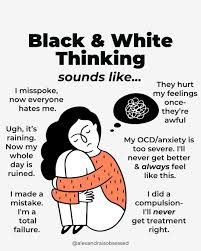
People with CIP often feel as though they are living on “autopilot.” Their reactions feel predictable, their interpretations repetitive, and their emotional responses strangely fixed. Even when they consciously wish to change, their mind returns to the same patterns of thought. This creates the feeling of being trapped inside a familiar mental loop.
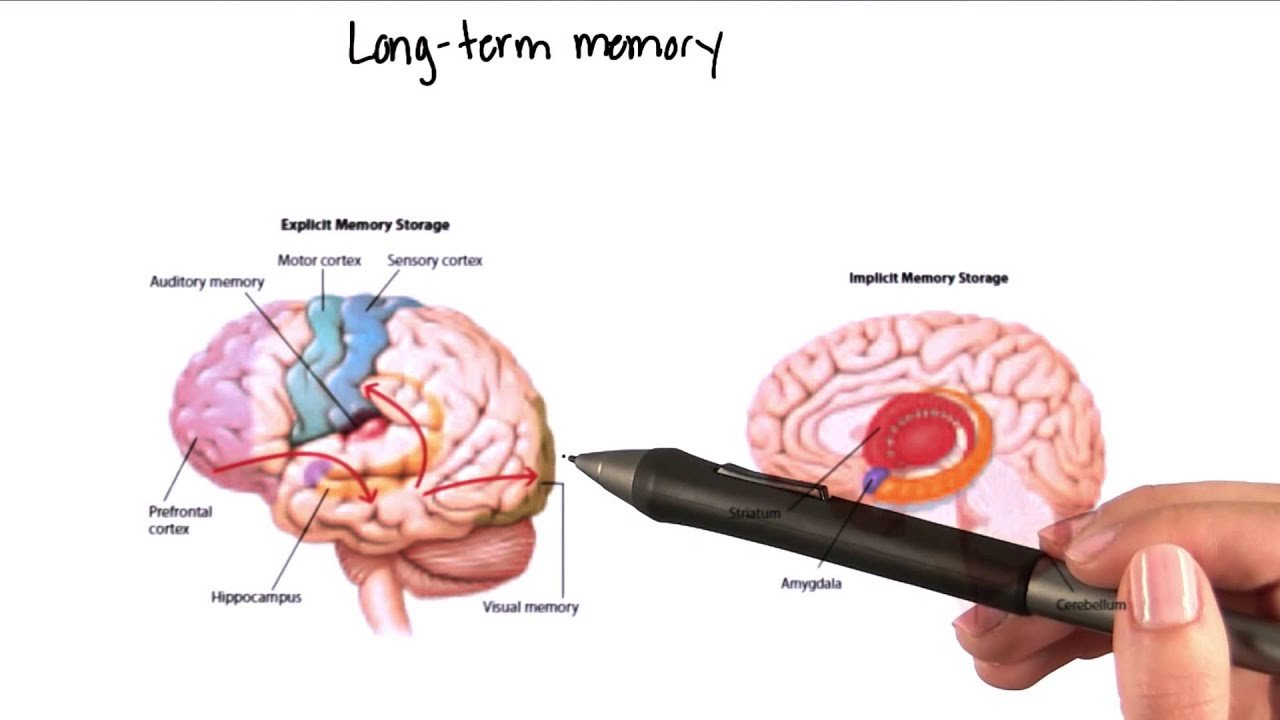
CIP develops through repetition. Early emotional experiences, social conditioning, and personal failures create internal conclusions about the world: who can be trusted, what is safe, what is possible. Over time, these conclusions harden into automatic mental pathways. The brain, designed for efficiency, prefers familiar routes—even when they no longer serve the individual.
Unlike rumination, CIP is not always distressing. Many people simply feel that life lacks novelty or depth. They may say, “I already know how this will end,” even in new situations. This sense of predictability is comforting, yet it also prevents emotional growth and curiosity.
Emotionally, CIP narrows the range of experience. Joy, disappointment, and hope are filtered through old expectations. New opportunities are unconsciously compared to past outcomes, often dismissed before they can be fully explored. This creates a subtle emotional stagnation.
In relationships, CIP leads to unconscious projection. The individual responds to others not as they are, but as reminders of past figures. Conflicts repeat in different forms because the internal story never changes.
Healing requires creating small disruptions to habit. By noticing repetitive interpretations and gently questioning them, individuals begin to reopen their mental world. Over time, thought becomes flexible again, and life feels less predetermined.
CIP shows that freedom is not only external. It is the ability to update the stories the mind tells about itself and the world.