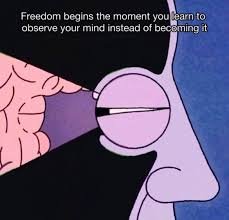
The condition provisionally referred to as Cognitive Echo Dissolution Syndrome (CEDS) is characterized by a progressive erosion of the boundary between internally generated thought and externally encountered cognition, without the presence of hallucinations, delusions, or formal thought disorder as defined by current diagnostic systems. Individuals affected by this syndrome do not misperceive reality; rather, they experience a gradual loss of ownership over their own cognitive processes.
The central feature of CEDS is the persistent sensation that thoughts do not originate within the self, yet are not imposed by an external agent. Patients describe their thinking as “echoed,” “residual,” or “already lived,” as if each idea arises slightly after it has conceptually occurred elsewhere. This produces a unique form of cognitive dissonance in which the person recognizes the rational content of their thoughts but feels detached from the act of thinking itself. Unlike depersonalization, the self is not experienced as unreal; unlike dissociation, memory and identity remain intact.
Emotionally, individuals retain appropriate affective responses, but report a subtle delay between cognition and emotion. Feelings seem to “follow” thoughts rather than emerge with them, resulting in a flattened sense of spontaneity. Over time, this temporal lag creates profound existential fatigue. Patients frequently report exhaustion not from thinking too much, but from constantly “catching up” to their own mind.
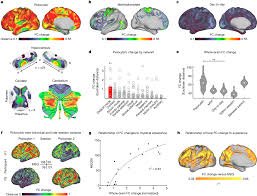
Neurologically, CEDS does not present with observable lesions, epileptiform activity, or neurodegenerative markers. Functional hypotheses suggest a disruption in predictive processing mechanisms, specifically in the forward modeling systems responsible for anticipating one’s own cognitive output. The mind appears unable to pre-register its own thoughts, causing each mental event to be experienced as retrospectively accessed rather than actively produced.
Behaviorally, individuals often compensate by over-verbalizing or externalizing thought through writing, recording voice notes, or repetitive explanation. These behaviors are not compulsive but stabilizing; external expression restores a sense of authorship. In the absence of such strategies, patients may enter periods of cognitive passivity marked by indecision, not due to anxiety or depression, but due to a diminished sense of internal initiation.
CEDS is frequently misclassified as high-functioning depersonalization, obsessive meta-cognition, or atypical burnout. However, its defining feature is not distress about thoughts, but estrangement from the generative act of thinking. Insight remains fully preserved, and individuals often articulate their experience with exceptional precision, further obscuring clinical recognition.
There is no established treatment protocol. Pharmacological interventions targeting mood or anxiety show limited efficacy. Preliminary therapeutic observations suggest that practices emphasizing pre-reflective awareness—such as sensorimotor grounding and non-analytical mindfulness—may partially restore cognitive immediacy. Notably, interventions that increase self-monitoring tend to exacerbate symptoms, reinforcing the hypothesis that excessive reflective recursion plays a causal role.
Cognitive Echo Dissolution Syndrome occupies a conceptual space between philosophy of mind and clinical psychology, challenging the assumption that thought ownership is a stable, indivisible phenomenon. Its relative invisibility may stem not from rarity, but from the difficulty of articulating a disturbance that leaves intelligence, logic, and reality-testing entirely intact, while quietly dismantling the felt experience of being the thinker behind one’s thoughts.