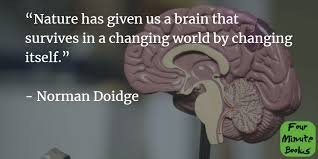
The human brain is often described as the most complex organ in the known universe. It regulates perception, emotion, reasoning, memory, and movement while silently coordinating countless physiological processes. Yet despite its extraordinary capabilities, the brain is also vulnerable to subtle forms of exhaustion that often go unnoticed. Unlike physical fatigue, which can be easily recognized through muscle soreness or a need for rest, neurological fatigue may exist quietly beneath the surface of daily functioning. Many individuals continue working, socializing, and making decisions while their cognitive systems operate under a significant hidden burden. The phenomenon of an “unnoticed tired brain” is therefore not merely metaphorical; it reflects real neurological processes that can gradually influence behavior, cognition, and emotional stability.
Neurological fatigue is distinct from ordinary sleepiness. Sleepiness is typically the result of insufficient rest and can often be resolved through sleep. Neurological fatigue, however, arises when neural networks responsible for attention, regulation, and information processing become overworked over extended periods of time. In such situations, the brain does not necessarily demand immediate sleep but instead begins to function less efficiently. Decision-making slows, concentration becomes fragmented, and emotional responses may become less controlled. What makes this condition particularly complex is that the individual may not consciously notice the decline. The mind adapts to its reduced capacity and interprets it as normal functioning.
Modern neuroscience has increasingly focused on the concept of cognitive load. Every moment of conscious experience requires the brain to process vast amounts of information. Sensory inputs, emotional cues, memories, and environmental signals are constantly integrated to produce coherent behavior. Under conditions of moderate load, the brain performs this task with remarkable efficiency. However, when demands exceed the system’s regulatory capacity for prolonged periods, neural efficiency begins to decline. This decline is not always dramatic. Instead, it appears gradually, manifesting as subtle lapses in attention, difficulty maintaining complex thought, or a vague sense of mental heaviness.
One of the central neurological structures involved in regulating cognitive effort is the prefrontal cortex. This region, located at the front of the brain, is responsible for executive functions such as planning, impulse control, working memory, and strategic thinking. The prefrontal cortex operates as a kind of command center, coordinating information from various brain systems in order to guide behavior toward goals. When individuals engage in prolonged decision-making, intense emotional regulation, or sustained intellectual work, the metabolic demand placed on this region increases substantially.
Research using functional neuroimaging has demonstrated that extended cognitive effort leads to measurable changes in prefrontal activity. Glucose consumption rises, neurotransmitter balance shifts, and neural signaling becomes less efficient. Over time, the brain begins to conserve energy by simplifying decision processes. Instead of carefully evaluating options, individuals may rely more heavily on automatic habits or emotional impulses. This transition from reflective thinking to automatic behavior is often mistaken for laziness or lack of motivation, when in reality it may reflect neurological fatigue.
Another important factor contributing to unnoticed brain fatigue is the continuous stimulation characteristic of modern environments. Digital technology, social media, constant communication, and information overload expose the brain to unprecedented levels of sensory input. Unlike earlier historical periods where cognitive tasks were separated by periods of rest or routine physical labor, contemporary life often requires sustained mental engagement throughout the day. Emails, messages, notifications, and complex multitasking keep neural circuits active almost continuously.
From a neurological perspective, this constant stimulation interferes with the brain’s natural rhythms of activation and recovery. Neural systems function most effectively when periods of effort alternate with moments of quiet processing. During rest, the brain activates what neuroscientists call the “default mode network.” This network is involved in internal reflection, memory consolidation, and emotional integration. Without sufficient time in this restorative mode, neural circuits remain in a prolonged state of task-oriented activity, increasing the risk of hidden fatigue.
One of the most fascinating aspects of neurological fatigue is its relationship with emotional processing. The brain structures responsible for emotion regulation, including the amygdala and anterior cingulate cortex, are closely connected to executive systems in the prefrontal cortex. When cognitive fatigue develops, the regulatory influence of the prefrontal cortex over emotional centers becomes weaker. As a result, emotional reactions may become slightly more intense, less filtered, or more unpredictable.
This does not necessarily mean that individuals experience dramatic emotional outbursts. More often, the changes are subtle. A person may become slightly more irritable, less patient in conversation, or more sensitive to minor frustrations. Because these changes emerge gradually, they are rarely attributed to neurological fatigue. Instead, they are interpreted as personality fluctuations or reactions to external circumstances.
Memory performance also changes under conditions of hidden brain fatigue. The hippocampus, a structure crucial for forming new memories, relies on coordinated interaction with attention networks in the prefrontal cortex. When cognitive fatigue weakens attentional control, the brain becomes less effective at encoding new information. People may notice that they reread the same paragraph multiple times, forget small details, or struggle to recall names or recent events. Again, these symptoms are usually mild and therefore easily dismissed.
Long-term exposure to unnoticed neurological fatigue may influence decision-making patterns in more profound ways. Decision neuroscience has shown that when cognitive resources are depleted, individuals tend to prefer simpler choices and immediate rewards rather than complex long-term strategies. This phenomenon has been observed in numerous behavioral experiments. Participants performing demanding cognitive tasks often shift toward more impulsive decision patterns afterward. The brain, in effect, attempts to conserve energy by avoiding cognitively expensive reasoning.
Interestingly, neurological fatigue does not always feel unpleasant. In some cases, individuals describe a strange sense of emotional flatness or detachment rather than exhaustion. The brain reduces its responsiveness in order to maintain stability. This reduction may produce a temporary feeling of calm or numbness, masking the underlying cognitive depletion. Because the sensation is not strongly negative, people may continue functioning without recognizing the need for recovery.
Sleep plays a crucial but complex role in the recovery of neural energy. During deep sleep, the brain undergoes processes that remove metabolic waste products accumulated during waking activity. One of the most important discoveries in recent neuroscience is the glymphatic system, a network responsible for clearing toxins from brain tissue. This system becomes particularly active during slow-wave sleep, allowing cerebrospinal fluid to circulate and wash away metabolic byproducts. Without adequate sleep, these substances accumulate, contributing to cognitive inefficiency and fatigue.
However, sleep alone does not always resolve neurological exhaustion. Mental recovery also requires periods of reduced cognitive demand during waking hours. Activities such as quiet walking, reflection, creative play, or meditation allow neural circuits to reorganize and restore functional balance. These forms of rest differ from passive distraction. Scrolling through digital media, for example, may appear relaxing but often continues to stimulate attention networks, preventing true cognitive recovery.
The concept of unnoticed brain fatigue also has implications for professional environments. Many modern occupations require sustained concentration for extended periods, often combined with emotional regulation and rapid decision-making. Professionals in fields such as healthcare, education, research, and technology may experience chronic cognitive load that gradually diminishes neural efficiency. Because the decline occurs slowly, individuals adapt to it without realizing how much their cognitive capacity has changed.
Over time, this adaptation may influence creativity and problem-solving ability. Creative insight often emerges when the brain integrates distant ideas through flexible neural networks. Fatigued cognitive systems tend to rely more heavily on routine patterns and previously learned strategies. As a result, individuals may feel mentally “stuck” even though their intelligence and knowledge remain unchanged. The limitation lies not in ability but in the temporary exhaustion of neural processing resources.
An additional dimension of hidden brain fatigue involves social cognition. Human interaction requires rapid interpretation of facial expressions, tone of voice, and contextual cues. These processes rely on specialized neural circuits distributed across the temporal and frontal regions of the brain. When cognitive fatigue develops, the efficiency of these circuits declines slightly. Conversations may require more effort, subtle emotional signals may be overlooked, and misunderstandings may become more common.
From a clinical perspective, distinguishing between ordinary neurological fatigue and more serious cognitive disorders is important. Conditions such as depression, anxiety disorders, and certain neurological illnesses can also produce symptoms resembling cognitive exhaustion. However, in cases of ordinary fatigue, cognitive function typically improves after adequate rest, reduced workload, and restoration of healthy sleep patterns. The brain possesses remarkable resilience and can often recover its full capacity when given sufficient opportunity for regeneration.
The broader philosophical implication of unnoticed brain fatigue is that human awareness represents only a small portion of ongoing neural activity. The brain continuously monitors its own energy resources, adjusting behavior in subtle ways that may never reach conscious awareness. What individuals experience as changes in mood, motivation, or concentration may reflect complex neurobiological processes unfolding beneath the surface of conscious thought.
Recognizing the possibility of hidden neurological fatigue encourages a more compassionate understanding of human performance. Rather than interpreting every lapse in concentration or patience as a personal failure, it becomes possible to see such moments as signals from a biological system operating near its limits. The brain, despite its extraordinary complexity, remains an organ with finite metabolic resources.
In many ways, the modern challenge is not merely intellectual productivity but neurological sustainability. Maintaining cognitive health requires respecting the brain’s natural rhythms of effort and recovery. Periods of intense concentration must be balanced with genuine mental rest, and the constant stimulation of contemporary environments must occasionally give way to silence and reflection. These practices are not luxuries but essential conditions for preserving the delicate balance of neural systems.
Ultimately, the question of whether the brain can be tired without our awareness invites a deeper reflection on the nature of consciousness itself. Much of what shapes human thought occurs beyond direct introspection. The brain silently regulates its internal state, protecting itself from overload while continuing to guide behavior. Understanding this hidden dimension of mental life not only enriches neuroscience but also offers practical insight into how individuals can sustain clarity, creativity, and emotional stability in an increasingly demanding world.