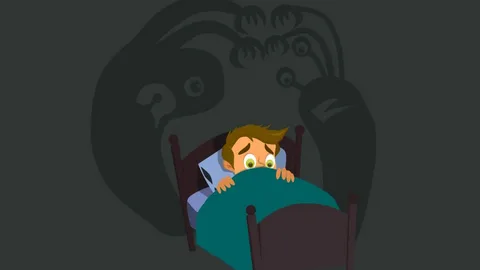
Stress is a natural biological response that helps human beings react to danger, pressure, and demanding situations. In short periods, stress can increase alertness, attention, heart rate, and energy, allowing a person to respond quickly to challenges. However, when stress becomes persistent and the nervous system remains activated for long periods, it may affect both psychological functioning and brain health. Chronic stress does not simply make a person feel tired or emotionally overwhelmed; prolonged exposure to stress-related biological processes can influence memory, attention, emotional regulation, and other neurological functions.
The human stress response involves a complex interaction between the brain and the body. When a person perceives a threat, the brain activates systems that prepare the organism to respond. The hypothalamus plays an important role in initiating the hormonal stress response, which ultimately influences the release of cortisol and other stress-related substances. These processes are useful when a person needs to respond to an immediate challenge. Problems may arise when the stress response is activated repeatedly without sufficient recovery.
The brain must constantly evaluate whether the environment is safe or threatening. Structures such as the amygdala contribute to the detection and processing of emotionally significant stimuli. When the amygdala perceives danger, it can stimulate physiological responses associated with stress. In a short-term situation, this may be adaptive. In chronic stress, however, repeated activation can influence the functioning of other neural systems.
One of the brain structures frequently discussed in relation to chronic stress is the hippocampus. The hippocampus plays an important role in learning, memory, and contextual processing. Research suggests that prolonged stress can influence hippocampal functioning and may be associated with changes in its structure and connectivity. This does not mean that every stressed person develops permanent hippocampal damage, but it demonstrates that prolonged stress can affect neural systems involved in memory.
A person experiencing chronic stress may notice that they forget things more easily. They may enter a room and forget why they went there, struggle to concentrate on reading, or have difficulty remembering information learned recently. Sometimes the problem is not memory storage itself but attention. When the brain is occupied with worries and threats, fewer cognitive resources remain available for processing new information.
This is particularly noticeable when a person is constantly thinking about future problems. Someone may be physically present during a conversation while mentally planning how to solve financial, professional, family, or personal difficulties. Because attention is divided, information from the conversation may not be encoded effectively.
Stress can also influence the prefrontal cortex, a brain region involved in planning, decision-making, attention, impulse control, and executive functioning. Under acute stress, some aspects of cognitive performance may temporarily change. During prolonged stress, persistent alterations in stress-related signaling may interfere with efficient executive functioning.
This may explain why people under intense pressure sometimes describe feeling that their minds are “blocked.” They know what they need to do but cannot organize their thoughts effectively. Simple decisions can become difficult, and complex tasks may feel overwhelming.
The relationship between stress and cognition is not always straightforward. A moderate level of arousal can sometimes improve performance, while very low or very high levels may reduce it. This idea is often described through the Yerkes-Dodson principle. In practical terms, a small amount of pressure can motivate a person, while excessive and prolonged stress can interfere with concentration and performance.
The emotional brain is also affected. Chronic stress can increase sensitivity to threatening information. A person may become more alert to criticism, conflict, rejection, or potential problems. They may begin interpreting neutral situations more negatively because the nervous system is constantly prepared for danger.
This state of heightened vigilance can be exhausting. The person may feel unable to relax even when there is no immediate threat. At home, they may continue thinking about work. During weekends, they may worry about future responsibilities. At night, they may repeatedly review conversations or imagine possible negative outcomes.
Sleep is one of the most important mechanisms through which chronic stress affects brain functioning. Stress can make it difficult to fall asleep, cause nighttime awakenings, or lead to unrefreshing sleep. Poor sleep then reduces emotional regulation and cognitive performance, which can make stress feel even stronger the next day.
This creates a cycle. Stress interferes with sleep, poor sleep reduces the ability to cope with stress, and reduced coping capacity increases stress. Over time, this cycle can become self-reinforcing.
Chronic stress may also affect mood. Persistent activation of stress systems is associated with an increased risk of anxiety and depressive symptoms. However, stress is not the only cause of these conditions. Mental health disorders arise from complex interactions between biological vulnerability, psychological processes, life experiences, and environmental factors.
One particularly important consequence of chronic stress is emotional exhaustion. When a person spends months or years responding to continuous demands without adequate recovery, they may begin to feel detached, irritable, or unable to experience pleasure. This can occur in demanding workplaces, difficult family situations, prolonged financial uncertainty, caregiving responsibilities, or other circumstances.
The brain does not distinguish perfectly between psychological and physical stress. Emotional conflict can produce real physiological responses. A person who repeatedly worries about an uncertain future may experience increased muscle tension, headaches, gastrointestinal discomfort, rapid heartbeat, and fatigue.
These physical symptoms can further influence the brain. Persistent pain or discomfort can make concentration more difficult and reduce emotional tolerance. The person may then become more irritable and less capable of managing ordinary challenges.
Chronic stress can also affect decision-making. Under prolonged pressure, people may focus heavily on immediate problems and have difficulty considering long-term consequences. The brain becomes oriented toward managing the next threat rather than exploring future possibilities.
This can influence habits as well. Some people respond to stress by overeating, avoiding physical activity, using substances, spending excessive time online, or withdrawing socially. These behaviors may provide short-term relief but can create additional problems over time.
Physical activity, in contrast, can support brain health. Regular exercise is associated with improvements in mood, sleep, cardiovascular health, and cognitive functioning. Exercise can therefore be one component of a broader strategy for reducing the effects of chronic stress.
Social connection is equally important. Supportive relationships can reduce the psychological burden of stressful experiences. Talking with a trusted person does not necessarily eliminate the underlying problem, but it can change how the brain and body respond to it. Feeling understood can reduce isolation and provide a sense of safety.
Nature and quiet environments may also support recovery from stress. Modern environments can involve continuous noise, information, traffic, and digital stimulation. Periods of reduced stimulation can give the nervous system opportunities to recover.
Mindfulness practices may help some individuals become more aware of stress responses without immediately reacting to them. Breathing exercises, meditation, and other relaxation techniques can contribute to emotional regulation. Their effectiveness varies between individuals, but they can be useful components of stress management.
Cognitive strategies are also important. Chronic stress often involves repetitive negative thinking. A person may repeatedly imagine future disasters or interpret uncertain situations in the worst possible way. Learning to identify these thought patterns can reduce unnecessary psychological activation.
Professional psychological support may be appropriate when stress becomes persistent and begins interfering with sleep, work, relationships, or daily functioning. Therapy can help individuals identify sources of stress, develop coping strategies, improve emotional regulation, and address underlying anxiety or depressive symptoms.
It is also important to distinguish ordinary stress from situations that require medical attention. Sudden or severe neurological symptoms, such as significant weakness, loss of consciousness, new severe confusion, seizures, or sudden speech difficulties, should not simply be attributed to stress. Such symptoms require urgent medical assessment.
Another important question is whether the brain can recover from prolonged stress. The answer is complex but generally encouraging. The brain remains adaptable throughout life. Changes associated with chronic stress are not necessarily permanent, particularly when stress exposure decreases and healthy conditions are restored.
Neuroplasticity allows the nervous system to adapt in response to experience. Improved sleep, physical activity, learning, social interaction, psychological treatment, and reduction of chronic stress can support healthier brain functioning. Recovery is not always immediate, and individual outcomes vary, but the nervous system has considerable capacity for adaptation.
The idea that stress can “destroy” the brain should therefore be treated cautiously. Popular discussions sometimes present chronic stress as if it inevitably causes irreversible brain damage. Scientific evidence is more nuanced. Prolonged stress can influence brain function and structure, but these changes depend on intensity, duration, individual vulnerability, age, health, and environmental circumstances.
The developing brain may be particularly sensitive to chronic adversity. Childhood exposure to persistent stress can influence emotional regulation, learning, and stress-response systems. However, early adversity does not determine a person’s future. Supportive relationships, safe environments, education, and positive experiences can contribute to resilience.
Resilience is not simply the absence of stress. It refers to the ability to adapt to difficulties and recover after challenging experiences. Some people experience significant stress but maintain relatively stable functioning because they have supportive relationships, effective coping strategies, realistic expectations, or access to resources.
The perception of control is another important factor. Stress tends to be particularly intense when people feel trapped or powerless. Two individuals may face similar demands, but the person who believes they have meaningful choices may experience less psychological distress.
This is why reducing chronic stress is not always about eliminating every difficult situation. Some responsibilities cannot simply disappear. Instead, improving control, organization, boundaries, social support, and recovery opportunities can change how the nervous system responds.
Work environments provide a clear example. High workloads combined with low control and little recognition can create chronic psychological strain. Reasonable scheduling, adequate rest, clear expectations, supportive management, and opportunities for autonomy may reduce this burden.
Family environments can have similar effects. Continuous conflict, unpredictable behavior, or lack of emotional safety can keep a person in a state of psychological vigilance. Establishing healthier communication and boundaries can therefore be important for neurological as well as emotional well-being.
Technology adds another modern challenge. Smartphones allow people to remain connected to work, news, entertainment, and social networks almost constantly. While technology has many benefits, the absence of boundaries can make psychological recovery more difficult. A person may never experience a clear transition between work and rest.
Constant exposure to negative news can also increase perceived threat. The brain is naturally sensitive to danger-related information, and repeated exposure can create the impression that threats are everywhere. This does not mean people should ignore important information, but managing exposure can be psychologically useful.
Chronic stress can therefore be understood as a whole-system phenomenon. It involves the brain, hormones, immune system, cardiovascular system, sleep, behavior, cognition, and social environment. Treating it as merely an emotional problem provides an incomplete picture.
The neurological perspective also changes how we understand people who appear forgetful, irritable, or mentally exhausted. Instead of assuming that they are simply lazy or careless, it may be useful to consider whether prolonged stress, poor sleep, emotional overload, or another health problem is affecting their cognitive functioning.
At the same time, not every cognitive complaint is caused by stress. Persistent or worsening memory problems, confusion, changes in movement, seizures, significant speech difficulties, or other neurological symptoms should be evaluated by a healthcare professional rather than automatically attributed to psychological pressure.
Ultimately, stress is neither entirely harmful nor entirely beneficial. The human nervous system evolved to respond to challenges, and short-term stress can be essential for survival. The problem is not activation itself but the absence of adequate recovery.
The brain needs periods of safety and restoration just as the body needs rest after physical exertion. Continuous demands without recovery can gradually reduce cognitive and emotional efficiency. Creating regular opportunities for sleep, physical activity, social connection, relaxation, and meaningful activity can help restore balance.
In conclusion, chronic stress can influence the brain in significant ways, particularly systems involved in memory, attention, emotional regulation, decision-making, and motivation. Prolonged activation of stress-related biological mechanisms may interfere with cognitive performance and increase vulnerability to anxiety, depression, sleep problems, and emotional exhaustion. However, these effects should not be interpreted as inevitable or always permanent. The brain is adaptable, and reducing chronic stress while improving sleep, physical health, social support, and psychological coping can support recovery. Understanding stress from a neurological perspective reminds us that mental pressure is not merely something a person “imagines.” Psychological experiences can produce real biological effects, while the brain’s capacity for adaptation offers an important possibility for recovery and resilience.